Carpathia – History Connections

Today in History, July 17, 1918:

Crossing paths in history.

As most know, on April 12, 1912, RMS Titanic struck an iceberg and sank within 4 hours.

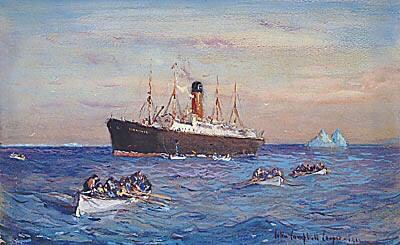
The nearest ship to receive her distress signal was the RMS Carpathia, which sped at full speed for two hours to the disaster scene. Upon her arrival, she rescued 705 survivors from the freezing waters of the North Atlantic.

The Carpathia’s crew became heroes, being awarded medals. Her Captain, Arthur Henry Rostron, was knighted and was a guest of President William Taft in the White House.

During WWI the Carpathia served as a troop ship, transporting thousands of American soldiers across the Atlantic to the war in Europe.

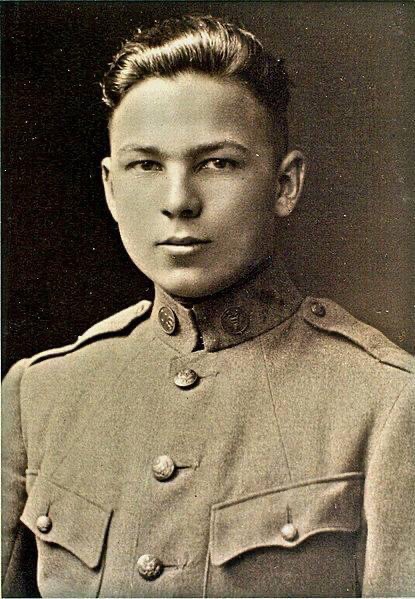
One of those doughboys was Frank Buckles, who would become the last surviving American Soldier from WWI before his death in 2011.

He was a prisoner of war in the Philippines during WWII (as a civilian) and a strong advocate for a WWI Memorial, which…led him to be a guest of President George W. Bush in the White House.

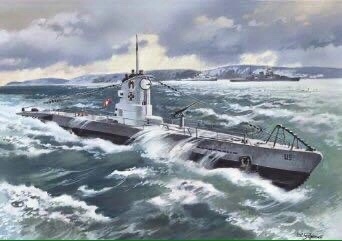
On this date in 1918 the Carpathia was sunk by German U-Boat U-55. All but 5 of her crew managed to escape to lifeboats.

They were in turn saved by the Sloop HMS Snowdrop, which arrived and drove off the German sub before it could machine gun the crew in their boats.

Everything is connected in history…you just have to find it. We usually know only a snippet of people’s lives. But they normally touch so much more.

Also on this date, in 1763, John Jacob Astor was born in Germany. He would immigrate to America and become America’s first millionaire. His grandson, John Jacob Astor IV, the world’s richest man, would die during the Titanic disaster.
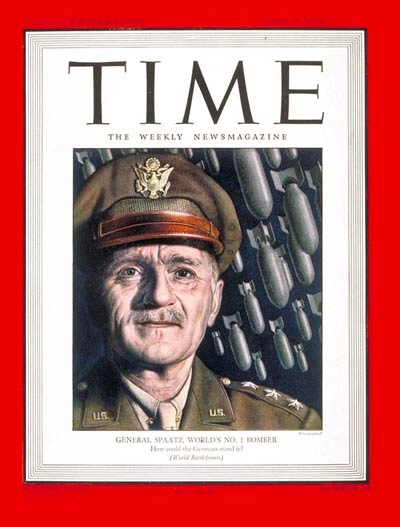
Gen. Carl Spaatz dies

Today in History, July 14, 1974:

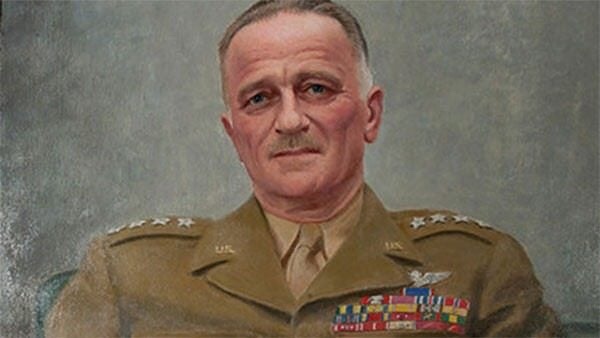
General Carl Spaatz dies.

Spaatz was a fighter pilot in his youth during WW1.

He remained in the Army Air Corps, and when WW2 began went to England.

As German bombs fell and everyone else ran for the shelters, Spaatz sat on rooftops to gain knowledge of German tactics.

When America entered the war, he became the commander of the Eighth Air Force as it began daylight bombing raids over Germany.

After the war, the Army Air Corps was separated from the US Army and became its own military branch, the US Air Force. Spaatz was it’s first Chief of Staff.

A Day for Historic Battles

Today in History, July 1:

A day for historic battles.

1863 – The Union and the Confederates first clash at The Battle of Gettysburg, and both send reinforcements. The first day went badly for the Union, but the largest battle in North America had three more days to go, and would become a major turning point in the Civil War.

1898 – The Battle of San Juan Hill becomes a major victory for the US in the Spanish-American War as the US Army’s Fifth Corps takes the heights over Santiago de Cuba. It also set the stage for Colonel Theodore Roosevelt to become President as he became famous for leading his Rough Riders up Kettle Hill (not San Juan).

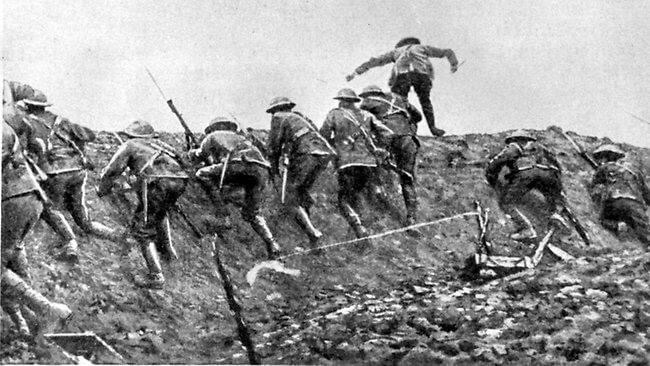
1916 – The Battle of the Somme in France; after a week’s bombardment with over 250,000 shells, the British launch an attack into no-man’s land. The Germans had retained many machine guns despite the bombardment, and the British soldiers were slaughtered. With 20,000 dead and 40,000 wounded in one day, it was one of the worst defeats for the British military’s history.

1942 – The Battle of El Alamein; In North Africa Erwin Rommel’s army had routed the British and their allies, driving them back so quickly that they had to leave much of their equipment behind. But on today’s date the British Army, resupplied by Americans and reorganized, turned the tide back on Rommel at El Alamein.