Women’s Army Corps

Today in History, May 15, 1942:

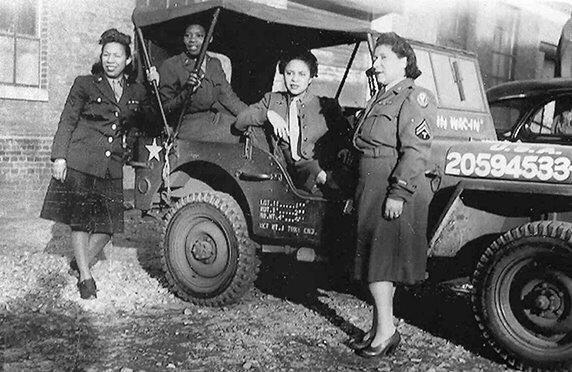
President Franklin Roosevelt signs a bill passed the previous day creating the Women’s Army Auxiliary Corps.

The bill had been put forward by Massachusetts Representative Edith Nourse Rogers in mid-1941, who had seen women volunteer in the first World War…on their own dime and without compensation or benefits. The bill lingered until after the attack on Pearl Harbor, when it was taken more seriously.

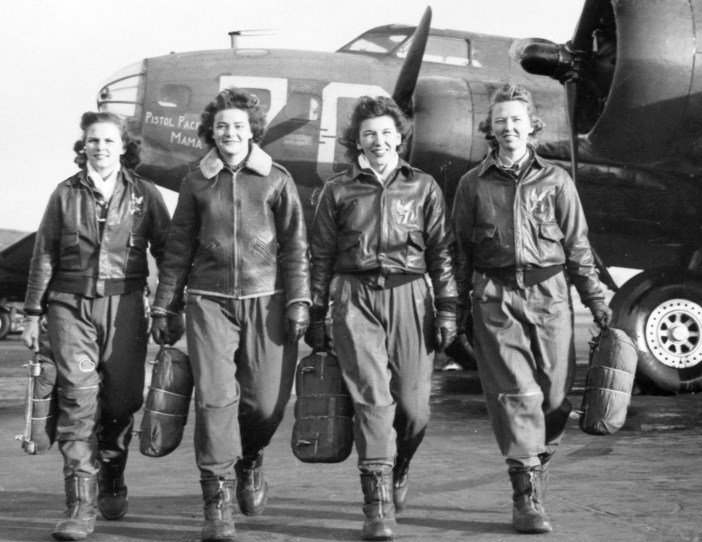
The many women who served as WACS and WAVES (Navy) during WWII were paid and received benefits, although not as much as the men. It would be decades before they received pensions.

Their service was to be in non-combat roles…secretarial, air traffic control, ferrying aircraft, and hundreds of other positions.

While the inclusion of the hundreds of thousands of women in the military was a huge step forward for a nation which had only given women the vote two decades before, it was still repleat with gender bias. Women could not command men.

The move also was born of necessity, rather than revolutionary thinking. It had the full support of the Army’s commanding General, George C. Marshall, who testified before Comgress on behalf of the legislation.

Marshall expected the “Two-Ocean War” to quickly overwhelm the nation’s ability to provide “manpower”. He believed women already trained in administrative jobs would be more efficient and effective than men.

While the women served in “non-combat” roles as operators, etc, you can’t serve in a combat zone without the risks of combat. WACS were killed in action. One source indicated 16.

American Patrol & The Girl I Left Behind Me

gm-american-e1428418484501


Today in History, April 2, 1942:

In Hollywood, California, Glenn Miller and his Orchestra record their version of “American Patrol.”  The tune was originally written in 1885 by F. W. Meacham, but Miller’s orchestra would add swing and jazz to the already inspiring instrumental.

This would make it representative and nearly synonymous with the jaunty, cock-sure attitude of American servicemen fighting World War II in multiple theaters.  Miller and his band would entertain the troops with this and other hits in live shows until his death on December 15, 1944, when he would be lost while flying to France for a performance.  Think of the most popular entertainer you can, and they would pale in comparison to Glenn Miller in the late thirties and early forties.  Major Miller’s loss was felt.

It is important to remember what was occurring in April of 1942.  The attack on Pearl Harbor was only five months in the past, American troops at Bataan were about to surrender, the US Navy was conducting hit and run raids on Japanese strongholds, the Doolittle Raid on Tokyo was in this month, and Americans were training up for the war in Europe while U-Boats lurked off of American shores.

“The Girl I Left Behind Me.”  If you listen, and know what you are listening for, at about the 1:40 mark you pick up on the overlay Miller’s crew added to “American Patrol” of “The Girl I Left Behind Me.”  While versions of this tune were popular in Dublin and the British service long before, it became popular in the US Army during the Civil War and in the Cavalry as a marching tune.  So popular in fact, you’ve likely heard it in movies about the US Cavalry.

https://youtu.be/ujCe_W8eRMg


https://youtu.be/w2jrCxJYFbs

Freedom From Want

Today in History, March 6: 1942 –

“The third is freedom from want—which, translated into world terms, means economic understandings which will secure to every nation a healthy peacetime life for its inhabitants—everywhere in the world.”

—Franklin Delano Roosevelt’s January 6, 1941

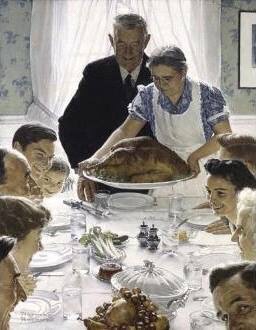
The third in a series of paintings by Norman Rockwell, based on President FDR’s Four Freedoms State of the Union address in 1941, entitled “Freedom From Want”, and alternatively famously known as “The Thanksgiving Picture” or “I’ll Be Home for Christmas” is published in the Saturday Evening Post.

The iconic painting included members of Rockwell’s family, which were photographed separately then included in the painting. The nation was at war, and the image was of those on the home front.

American’s could relate, but some Europeans were outraged as they were suffering daily bombings at the time.

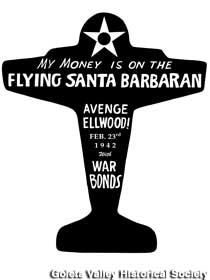
Remember The Alamo! Remember The Maine! Remember Pearl Harbor! REMEMBER SANTA BARBARA!!

Today in History, February 23, 1942:

A little over two months after the attack on Pearl Harbor, Japanese Imperial Navy submarine I-17 surfaces 1500 yards off the California coast, near Santa Barbara. Five crewmen scrambled out onto the deck and manned the boat’s deck gun.

Workers and residents on shore were confused and surprised when they figured out the booms and explosions they were hearing at an oil field in Ellwood were tied to the flashes they were seeing out at sea.

After 20 minutes the Captain ordered a hault to the assault, having missed the oil tanks and damaged a catwalk.

The relatively minor attack was the first time the Continental US had been bombarded since the War of 1812.

It dis have an effect on a populace already on edge. On the 25th, “enemy aircraft” would be sighted near LA, resulting in lengthy anti-aircraft fire which would be dubbed the “Battle of Los Angeles”.

It would also help speed the incarceration of Japanese-Americans, since many believed the assault had been assisted from shore by Japanese operatives.

It also would not be the last time the mainland was bombarded by the Japanese..more submarine attacks, an aircraft launched from a submarine and “balloon bombs” would be in the offing…all relatively unsuccessful.

Giving up Coffee for the Troops

Today in History, November 29: 1942 –

Rationing of Coffee begins in the United States. There wasn’t a shortage…South American coffee growers were experiencing banner years. However with shipping problems (U-boats, etc) and so many American servicemen overseas, the government enacted rationing of basic goods…gasoline, rubber goods, etc to ensure that the troops had what they needed.

And the nectar of the Gods, the elixir of life, coffee. Imagine how thankful those soldiers and sailors were to be able to have a cup of coffee in their distant battlefields.

Sacrifices Avenged…One Last Attempt by the IJN

Today in History, November 14: 1942 –

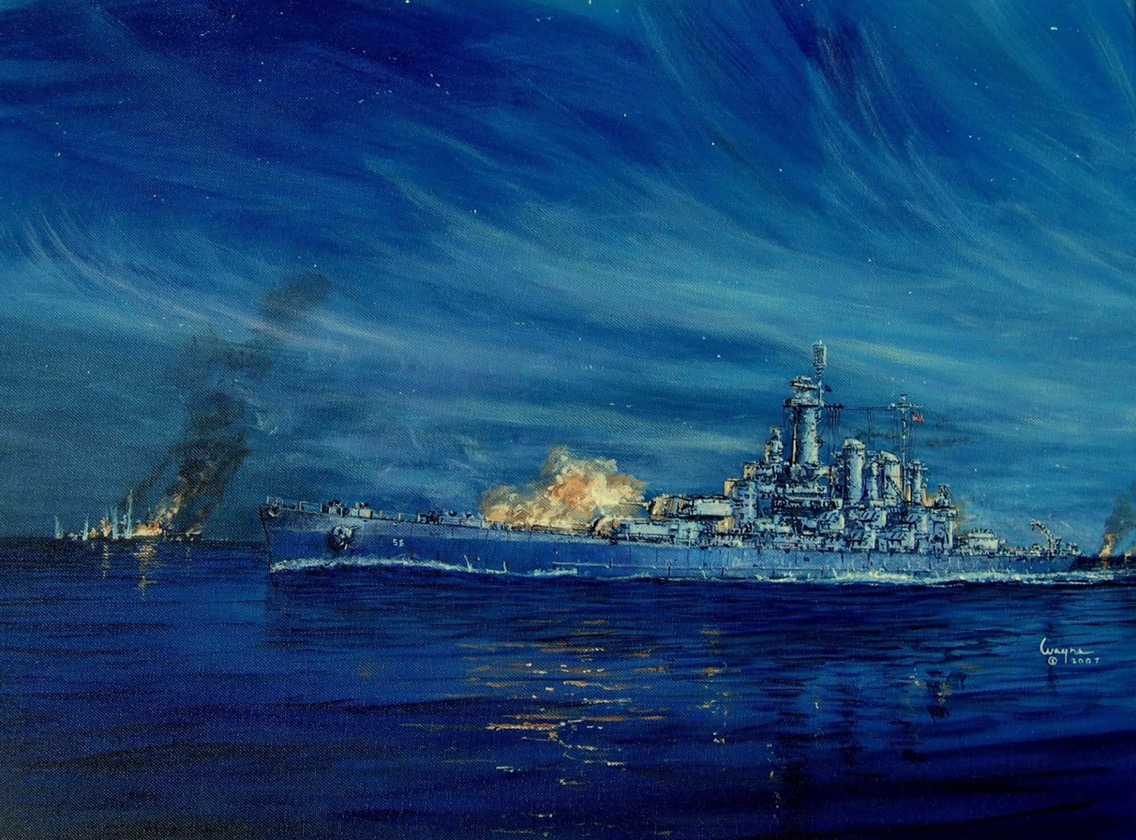
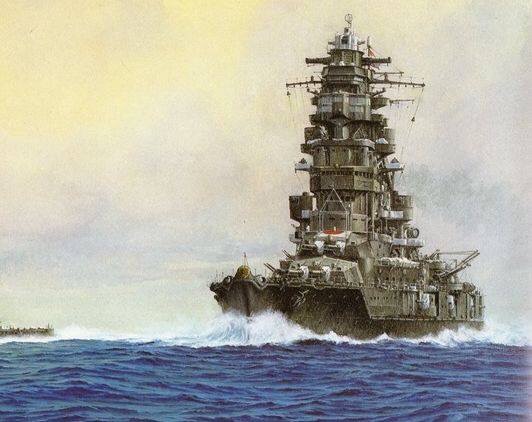
The Second Battle of Guadalcanal. Late on the 14th, early on the 15th, IJN Admiral Kondo was sent with a force of cruisers and destroyers built around the battleship Kirishima to take another shot at Henderson Field and the transports off shore.

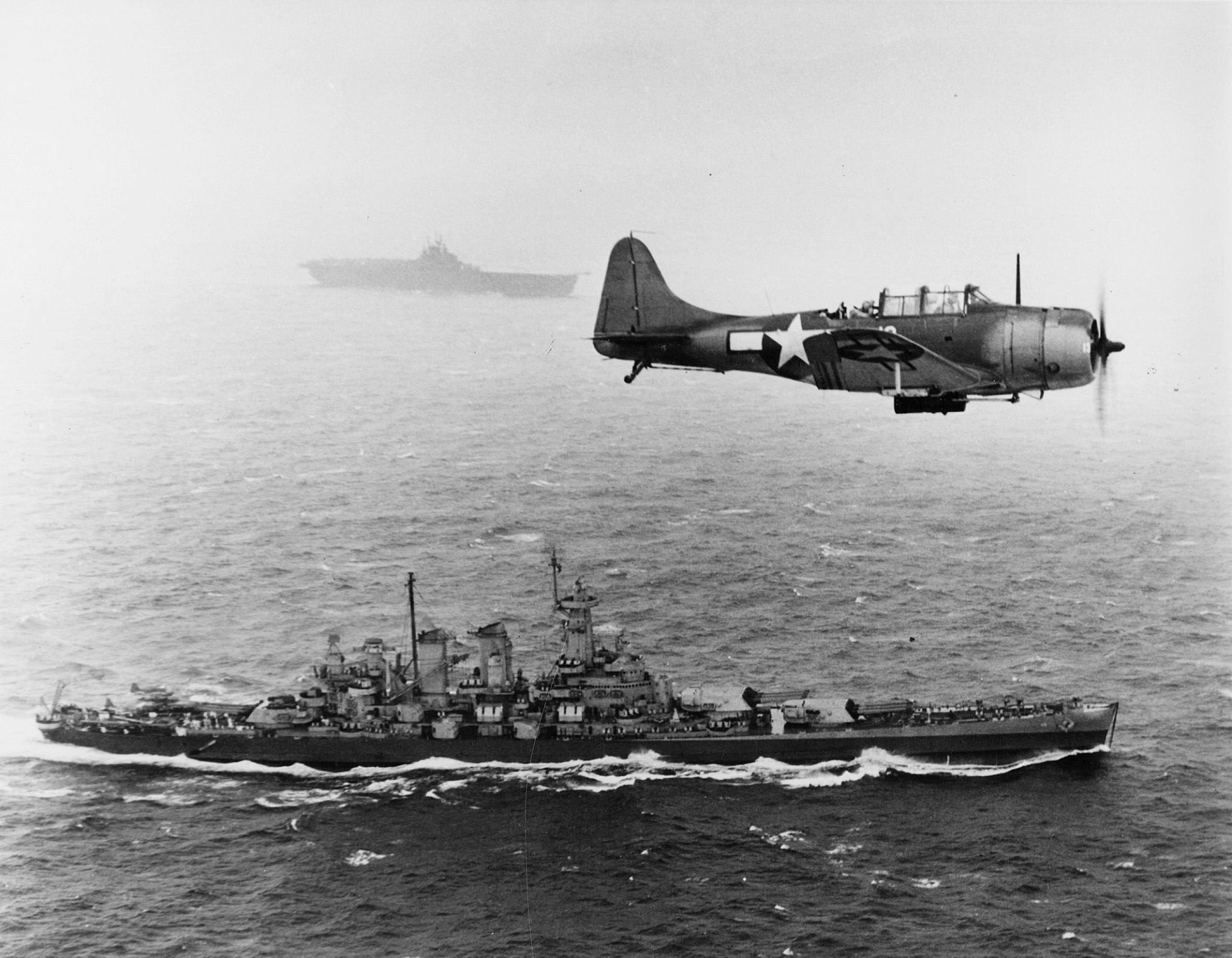
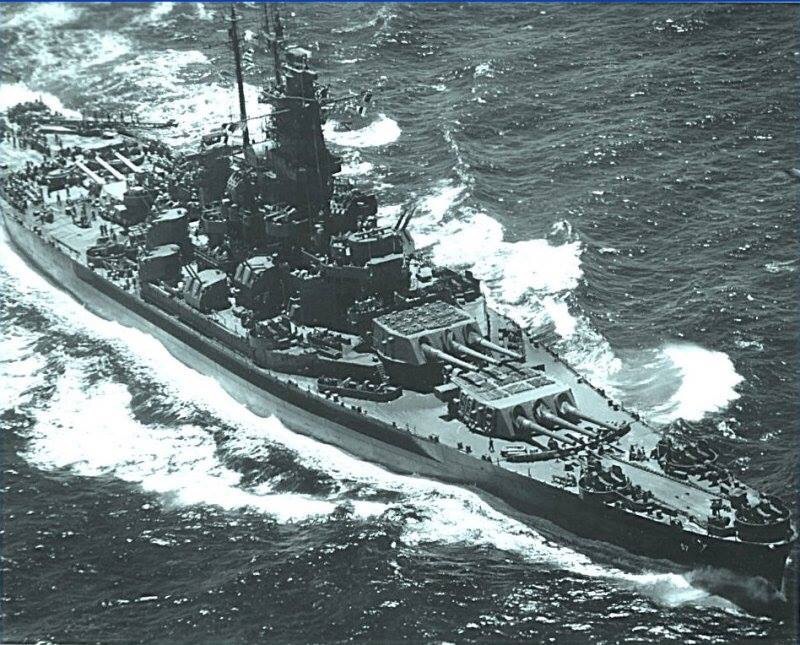
Most of the effective American combatants had been either sunk or put out of commission in the first battle, so Admiral Halsey detached a significant portion of the screening force for the USS Enterprise to protect the airfield and the transports. The Battleships USS Washington and USS South Dakota, along with the 4 destroyers with the most fuel took the job.

This US Task Force made better use of their radar and spotted the Japanese ships first. The American destroyers sacrificed themselves to fight off Japanese cruisers and destroyers; the South Dakota had nothing but trouble after losing her electrical systems. As the Kirishima and others focused on the nearly defenseless South Dakota, the Washington closed within 9,000 yards of the Kirishima and tore her apart with her main and secondary batteries.

Kondo ordered a retreat. Some IJN supply ships beached and began unloading, but when the sun came up, they were exposed to American aircraft. By the time US aircraft and an American destroyer were done with them, only about 3,000 troops were ashore…without any supplies, munitions or food…making them more of a detriment than a help.

The major significance of this battle is that it was the last time the IJN attempted an all out assault on Guadalcanal by sea; now they would only offer meager supplies with the use of the “Tokyo Express” up the “Slot”…not enough to support their armies on Guadalcanal. By December 31st the Emperor had agreed to abandon Guadalcanal to the Allies.

The most amazing thing to me is that in ’42 the Americans won or lost by scraping together a few ships to fight…at this point Enterprise was the only US Carrier in the Pacific…by this time in ’44, American combat ships were numerous and almost invincible.