

All Hail the Glorious Potato!

Today in History, December 3, 1586:

Sir Thomas Harriott introduces the potato, previously only found in Columbia in South America, to England and Ireland. Sir Walter Raleigh pursued farming of the new staple in Ireland and before you knew it, they were every where.

This would become very important to American development as well. The potato became a staple food for the impoverished Irish populace. In the 1840’s a potato blight ruined the crops of potatoes in Ireland, resulting in a devastating famine. The famine caused approximately a million deaths and also approximately one million emigrants to America. The burgeoning Irish population in America would have a long lasting effect on our country, in labor, the military services and police forces.

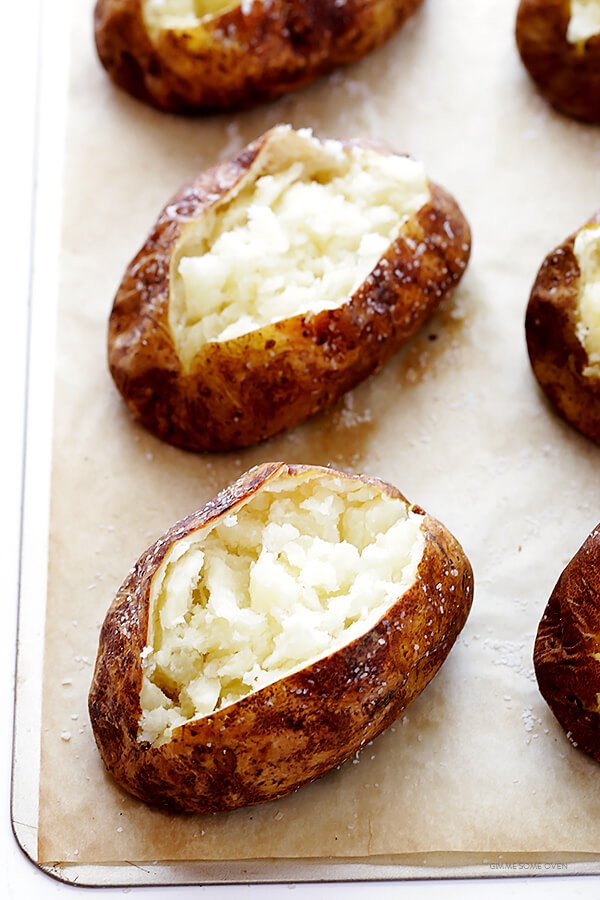
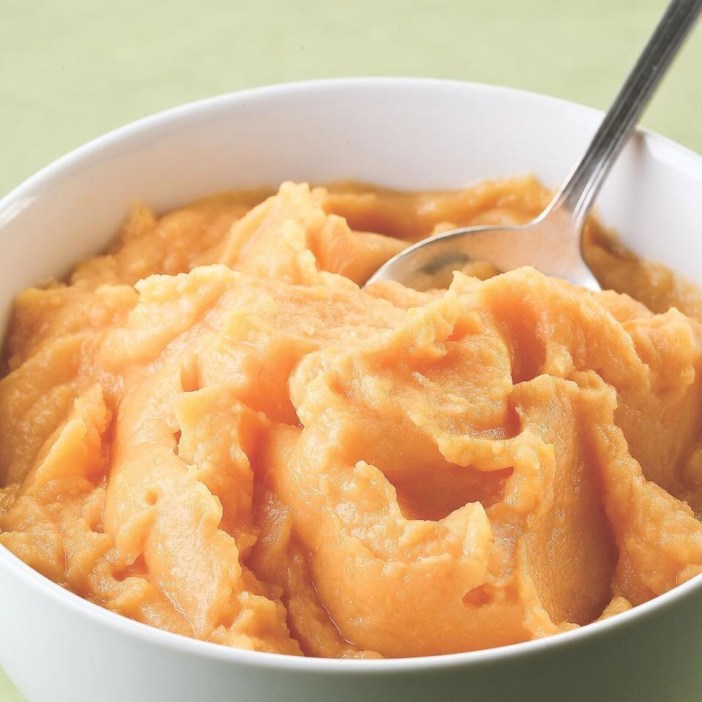
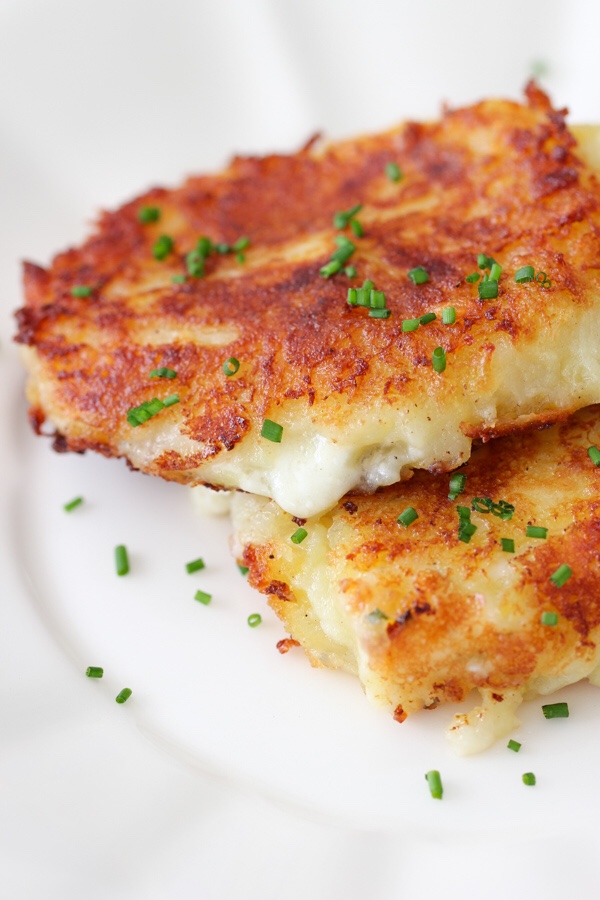
Potatoes! Baked, French Fried, Potato soup, Potato Chips, Sweet Potato Pie, Potato Cakes, Mashed Potatoes, Scalloped Potatoes, Potatoes au Gratin….

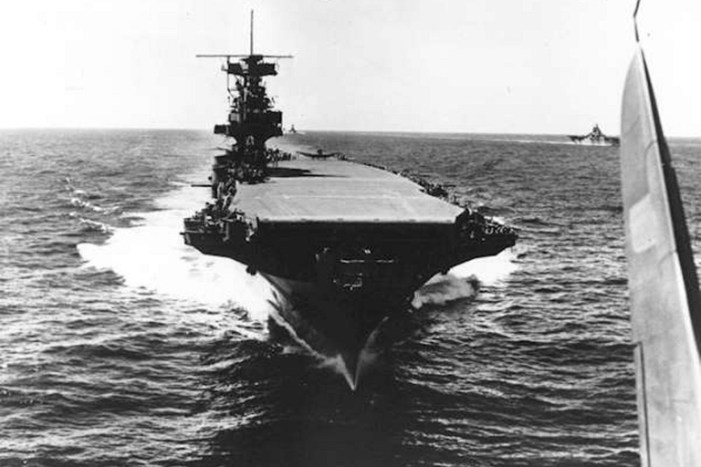
Shoot First, Ask Questions Later…

Today in History, November 28: 1941 –

Ten days before the Japanese attack on Pearl Harbor, a Task Force built around the aircraft carrier USS Enterprise (CV-6) sailed from Pearl Harbor bound for Wake Island.

In response to a “war warning” the Enterprise had taken aboard a squadron of US Marine F4F Wildcat fighter planes and their pilots, with orders to deliver them to Wake to bolster the island’s defenses.

Once they were at sea, the TF commander, Admiral William F. (Bull) Halsey signed off on Battle Order #1, which put the Enterprise and her supporting Cruisers and Destroyers on a war footing.

The crew began adding armor behind the pilot’s position’s in the ship’s fighters, painting them in combat colors, and arming them for combat.

More than a week before the Japanese attacked, the Enterprise TF had orders to shoot first and ask questions later should they encounter any foreign ships or planes. The CAP (Combat Air Patrol) kept watch overhead.

The Big E would deliver the Marines and return to Pearl on Sunday, December 7. Her scout plane pilots would fly ahead, ending up right in the middle of the air raid. But that’s another story.

But on this date, Admiral Halsey and Captain Murray closed by telling their sailors “Steady nerves and stout hearts are needed now.”

When America Came Together…for a Time

Today in History, November 13, 2001:

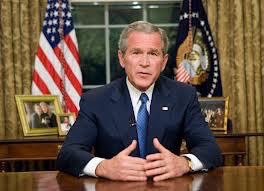
U.S. President George W. Bush signed an executive order that would allow for military tribunals to try any foreigners captured with connections to the terrorist attacks on the United States on September 11, 2001.

It was the first time since World War II that a president had taken such action. The home territory of the United States had been attacked with a tremendous loss of innocent lives. For a time, the nation came together in common cause.

“Dewey Defeats Truman”

Today in History, November 2, 1948:

“Dewey Defeats Truman”.

The Chicago Tribune is so confident that New York Governor Thomas Dewey will win the Presidential election that the paper publishes it’s desired results in an early edition…but Truman won by 2M votes.

Most sources will describe this as a solitary example of media bias, however in 2000 the media almost in it’s entirety called the election for Al Gore as Florida polls closed…several hours before the polls closed in the majority of the nation. Many voters, hearing the news as they drove home, decided there was no point in going to the polls. As it turned out, not even Florida could be declared for Gore at that point.

The media’s actions would send the nation into a legal limbo for weeks as the victor was determined in the courts. In the attached photo a victorious President Truman holds up the erroneous headline.

In 2016, the polls….and the media…reported it was nearly a forgone conclusion that Secretary Clinton would win.

“Boo!! America!!

Today in History, October 30: 1938 – “The War of the Worlds”. For Halloween, Orson Welles had produced a radio show based on a nineteenth century novel by H.G. Wells. After a disclaimer preceding the show, it was designed as if the events were actually occurring, as if newsmen were reporting an actual invasion of the Earth by Martians….

Unfortunately, most Americans were listening to another popular radio show as The War of the Worlds began, and tuned in AFTER the disclaimer. As many as a million people thought they had actually tuned into coverage of aliens landing and assaulting the planet. The show described people all over the country fleeing in terror; which actually did occur since so many thought it was real. Part way through the show, Welles was informed of the mass panic and interrupted the show with another disclaimer….”This is Orson Welles, ladies and gentlemen, out of character to assure you that The War of The Worlds has no further significance than as the holiday offering it was intended to be: the Mercury Theatre’s own radio version of dressing up in a sheet and jumping out of a bush and saying “Boo!” Starting now, we couldn’t soap all your windows and steal all your garden gates by tomorrow night, so we did the best next thing. We annihilated the world before your very ears, and utterly destroyed the C. B. S. You will be relieved, I hope, to learn that we didn’t mean it, and that both institutions are still open for business. So goodbye everybody, and remember, please, for the next day or so the terrible lesson you learned tonight: that grinning, glowing, globular invader of your living room is an inhabitant of the pumpkin patch, and if your doorbell rings and nobody’s there, that was no Martian — it’s Halloween.”

It was 1938. Unfortunately, within a year, the world would find the horrors they imagined were all too real; but they didn’t need aliens in WWII.

Garfield’s Potential

Today in History, September 19, 1881:

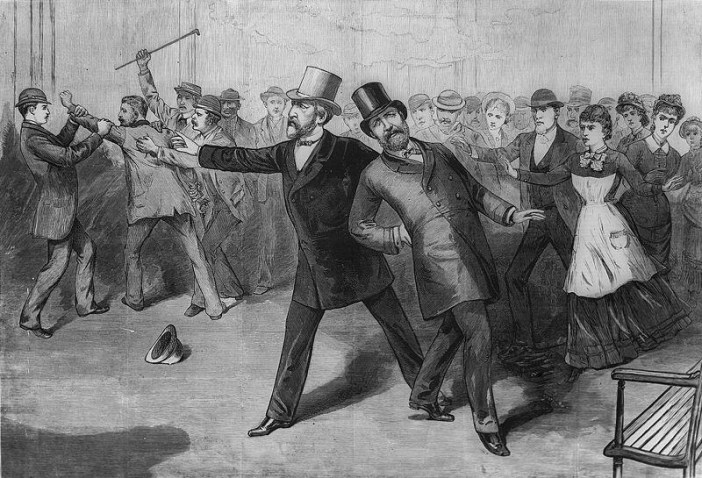
20th President James A. Garfield had been shot by an assassin on July 2. The assassin was a disgruntled man who thought he’d been owed a job in Garfield’s administration.

Doctors including Alexander Graham Bell (a friend) did everything they could to save the President, and he lingered until today’s date before succumbing to his wounds.

He only served as President for four months before being shot down, so the nation will never know what his potential may have been.

And if Garfield had lived, and served one or even two terms, how would it have affected the fortunes of his successors?

Mount Rushmore

Today in History, August 10, 1927:

The Memorial at Mt. Rushmore is dedicated by President Calvin Coolidge. The memorial wouldn’t be declared complete until October 31, 1941, seven months after the man in charge of it’s carving, Gutzon Borglum, had died. His son Lincoln finished the project.

President Washington was chosen for obvious reasons, having led the battles that created our nation;

President Jefferson was chosen due to his instrumental work in creating our Declaration of Independence, which has inspired Democracy around the world;

President Lincoln was chosen for leading the nation through the Civil War, preserving the Union and abolishing slavery;

Theodore Roosevelt was chosen for leading the nation through the industrial revolution of the late 19th century, seeing to the construction of the Panama Canal.

An interesting aside…Mt. Rushmore is named for a young NYC attorney who visited the area in 1884 to check land ownership for some eastern investors. He was impressed with the mountain and asked prospectors what it was called…they replied that it had no name, but since he had asked, they would call it Rushmore Peak…and so it was.

Thank You James Smithson…and Henry Hungerford…

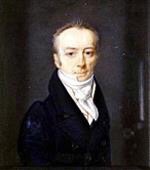
Today in History, June 27: 1829 – Strange that we should be thankful that Henry James Hungerford died childless in 1835. On this date in 1829 a British scientist who had never set foot on American soil died in Genoa, Italy. James Smithson was a wealthy man. He wrote in his will, “In the case of the death of my said Nephew without leaving a child or children, or the death of the child or children he may have had under the age of twenty-one years or intestate, I then bequeath the whole of my property… to the United States of America, to found at Washington, under the name of the Smithsonian Institution, an Establishment for the increase & diffusion of knowledge among men.”….

So thanks to James Smithson’s eccentricity, which he never explained, and the untimely death of his nephew, the US came into possession of over $500,000.00 in funds dedicated to research and learning. President Andrew Jackson sent a diplomat to receive the funds, President James K. Polk signed the bill creating the Smithsonian Institute once Congress agreed how to use the money. President Theodore Roosevelt saw to the movement of Smithson’s body from Italy to “The Castle” of the Institute in 1904. Smithson was escorted from Genoa to Washington by none other than Institute regent Alexander Graham Bell and his wife. Today the Smithsonian has 19 museums and the national zoo, including the National Aeronautics and Space Museum, the most visited museum in the world. Thank you, Mr. Smithson.

“Mr. Gorbachev, Tear Down This Wall”

Today in History, June 12, 1987:

President Ronald Reagan had taken actions that helped win the Cold War that our nation had fought for forty years, brought back our economy, and on this date traveled to Berlin. He was received by Germans with the same fervor as when Kennedy spoke there years earlier when he spoke those now famous words, “Mr. Gorbachev, tear DOWN this wall.”

The Antiquities Act

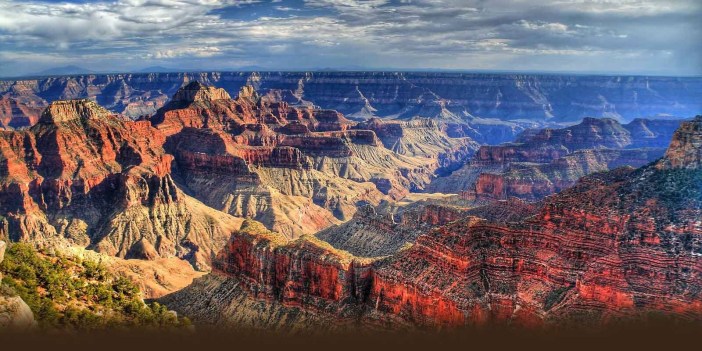
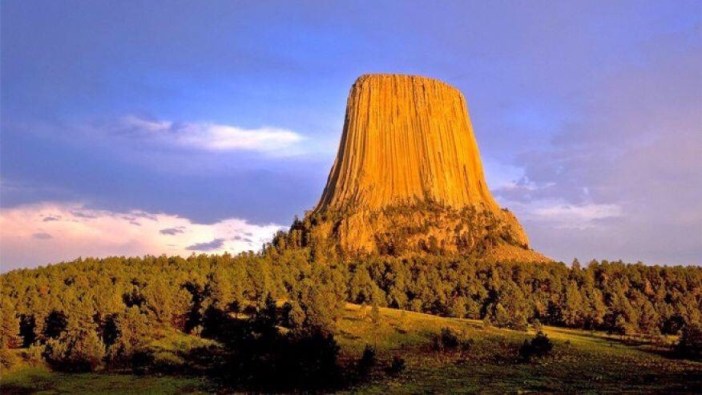
Today in History, June 8: 1906 – The Antiquities Act of 1906 is signed into law by President Theodore Roosevelt after being passed by Congress. In the preceding years historic sites had been discovered in the west, and of course, they were soon raided by thieves, vandals and historians from other countries. The Act was designed to protect these places as National Monuments, to be named either by the President or Congress. Roosevelt, a historian, quickly took advantage of the new power, naming 18 Monuments before his Presidency ended, including (first) Devil’s Tower, Muir Woods, The Grand Canyon, Chaco Canyon and the Petrified Forest. The Act has become more controversial in the years since FDR named The Grand Teton National Monument (near Jackson Hole, Wyoming) in 1943.