



Today in History, December 17, 1941:
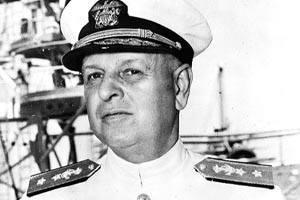
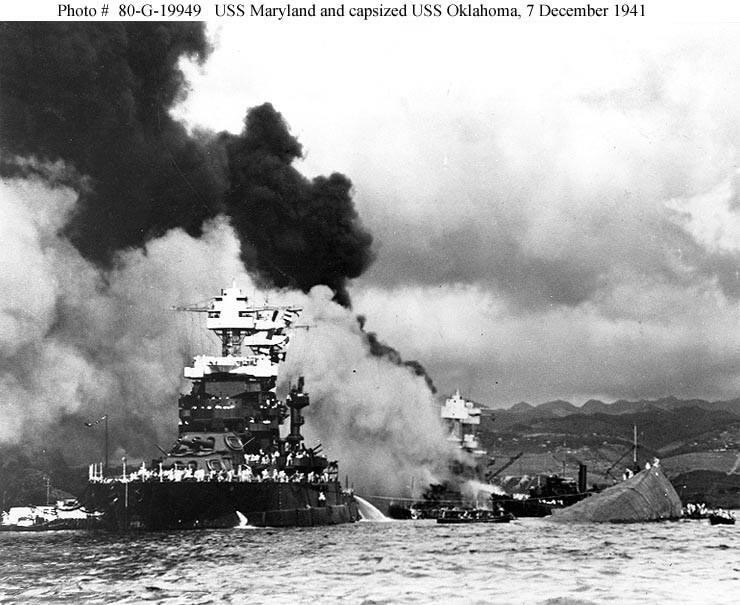
Admiral Husband E. Kimmel, commander of the Pacific Fleet during the Pearl Harbor attack, was relieved of his command. He would eventually resign his commission, ostensibly to avoid a court martial.
Much controversy has surrounded Kimmel.
He had a brilliant career, having worked for Assistant Secretary of the Navy Franklin Roosevelt in 1915, and continuing a successful career as a Battleship officer in the inter-war years.
He had not prepared well for the possibility of Japanese air attack, but then, neither had anyone else. Was he a scapegoat? Perhaps. Intel expected a Japanese attack, but most expected them upon Allied interests closer to Japan, such as the Philippines. Yet Douglas MacArthur did not face discipline, quite the contrary.
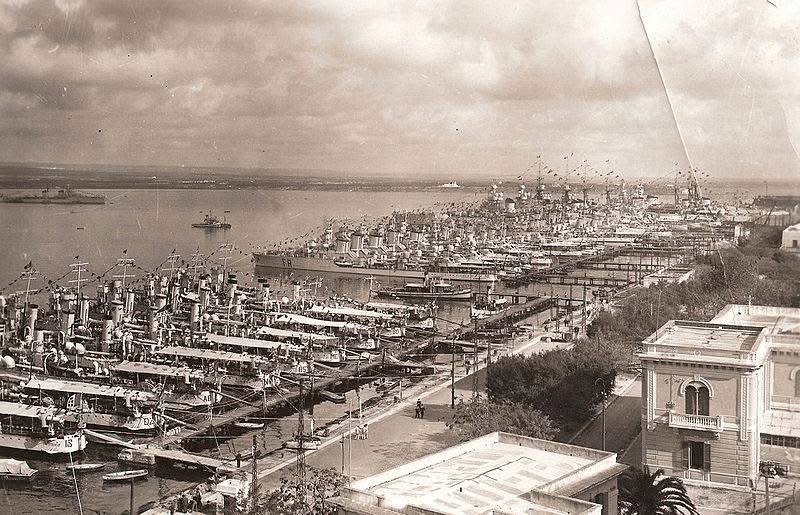
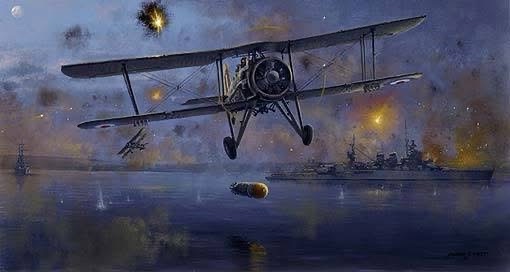
US Navy exercises had proven in the thirties that an air attack on Pearl Harbor was not only possible, but likely. As for a torpedo attack in a shallow harbor? While torpedoes normally drop to a lower depth before running their course, making attacks in shallow harbors difficult, the British had proven at Taranto in 1940 that a successful attack was possible when they sank an Italian fleet with obsolete biplane torpedo bombers.
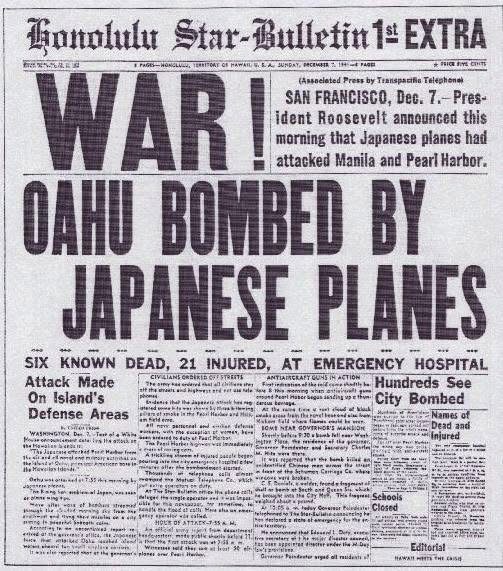
There were many warnings preceding the attack…yet the devastating assault was very successful.
What normally is not mentioned as evidence of the obvious nature of the attack is that the tremendously successful (rightfully so) successor to Admiral Kimmel, Admiral Chester W. Nimitz, was offered the Pacific Command before Kimmel was. He turned it down in favor of taking the also important post as Chief of the Bureau of Navigation. Was Nimitz prescient? Did he know that CINCPAC would be sacrificed? Once that had happened, he accepted the important post. I’m not saying anything bad about Nimitz…far from it. He was the right man for the job.
 Mark Loves History!