Honor and Dishonor

Today in History, March 27, 1836:

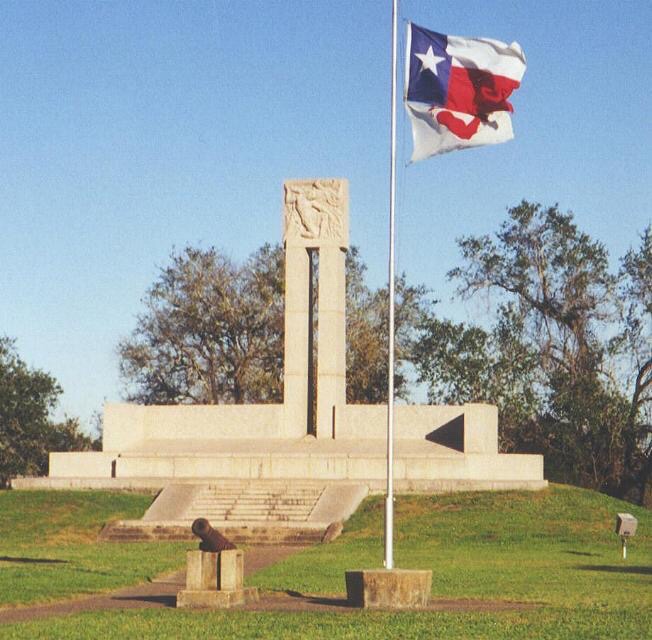
The Goliad Massacre.

In the preceding days, several battles had been fought between the Mexican Army and Texians fighting for their independence.

Among others, James W. Fannin had to surrender his forces faced with overwhelming Mexican force and artillery. He and his men had been promised surrender terms that included good treatment and “parole” back to the United States.

They were not aware that in December of the previous year Gen. Antonio Lopez de Santa Anna had asked for and received from the Mexican Congress a law declaring that any Texian or American soldiers that were captured would be treated as pirates and executed. In spite of pleas from one of his generals, Santa Anna ordered the men executed. Deprived of the ability to fight to the end by false promises of parole (parole was a common military practice – those that surrendered simply promised not to take up arms again), 303 men that were ambulatory were marched out of Fort Defiance in Goliad along three separate roads.

They were told that they were to gather wood, or that they were being taken to a port to shipped to New Orleans. Many of the men joined in a chorus of “home sweet home” the night before. After marching about 3/4 of a mile, they were halted. Their Mexican guards turned and, on a prearranged signal, shot the unarmed men down. Only 28 managed to play dead and survive. 40 more, including Fannin, were too injured to join the march and were executed within the fort.

The Mexicans saved Fannin for last, setting him on a chair in the courtyard due to his injuries. He asked only that his property be returned to his family, that he be shot in the heart, not the face, and that he be given a Christian burial.

The Mexicans shot him in the face, shared his effects, and burned his body where it lay. The other murdered soldiers were piled up and set afire, their remains left for the vultures.

After the Battle of San Jacinto and Santa Anna’s surrender, they returned and attempted to destroy the evidence. The Massacre did a great deal to gain support for the Texian cause for independence from the United States.
NYC Rapid Transit Railroad

Today in History, March 24, 1900:

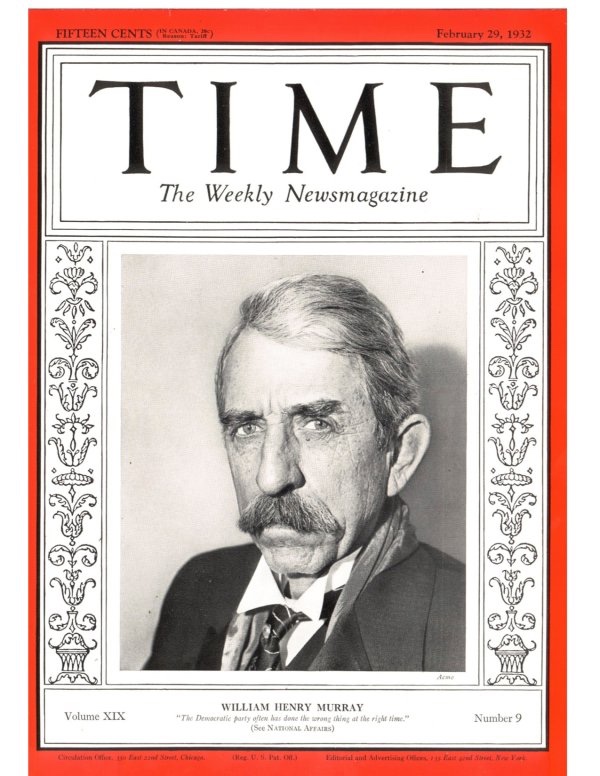
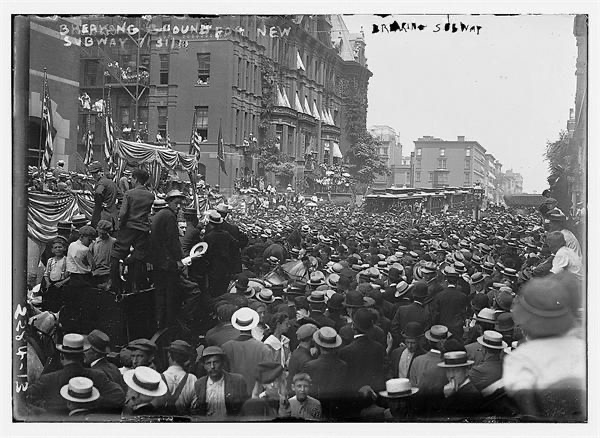
New York City Mayor Robert Anthony Van Wyck uses a silver spade to turn the first shovel-full of dirt on a new project: The first underground “Rapid Transit Railroad” in NYC. The first leg would run from Manhattan to Brooklyn. What is now known as the subway would get someone from downtown to Harlem in 13 minutes.

“When Mayor Van Wyck, silver spade in hand, lifted the first shovel of dirt from a small excavation in the flagging in front of the City Hall yesterday, the rapid transit tunnel was officially begun. Around New York’s Chief Magistrate were grouped the men whose persevering work of years had at last made rapid transit a certainty in New York, city officials who have aided them more-or-less in their efforts, financiers who came to the rescue when their aid was most needed, citizens whose names are a power in the professional and commercial world. and beyond all these, banked in almost solid phalanx from the sidewalks of Broadway across the park to the tall buildings in Park Row, were thousands of citizens of all degrees of life, who fought and struggled for position to witness one of the most important events in the history of the city.” –The New York Times, March 25, 1900

A Hero Lost

Today in History, March 22, 1820:

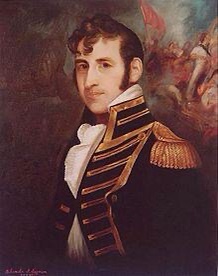
Stephen Decatur, Naval hero of the first and second Barbary Pirate wars, and of the War of 1812, hero and example to many of the U.S. Navy, is killed in a senseless duel.

In 1807 Commodore James Barron refused to defend his ship, Chesapeake, against British attack and was court-marshaled; Decatur, an old friend had to sit on the court-marshal board.

Suspended from the Navy for 5 years, Barron chose to wait until after the War of 1812 to be recommissioned. His cowardice was called, and he challenged Decatur, former comrade, to a duel.

Decatur, U. S. Navy hero, was mortally wounded. Such a shame. Decatur was a swashbuckler, a fierce fighter for his country.

Only 41-years-old, Decatur had untold potential remaining in his life. Such a waste.

New Orleans Burns

Today in History, March 21, 1788:

Have you ever visited the French Quarter in New Orleans? Did you know that the vast majority of those buildings in the “French” Quarter are actually…Spanish?

On this date in 1788 the Army Treasurer in New Orleans, Don Vincente Jose Nunez, and his family were celebrating Good Friday in their home less than a block from the Plaza de Armas (later Jackson Square).

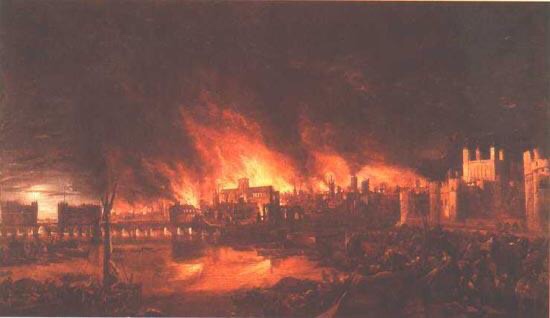
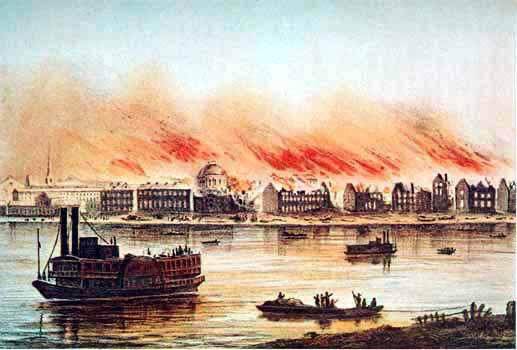
They apparently lit a few too many candles while immersed in prayer and caught their home on fire. Before the day was over, 856 of the 1,100 buildings in the city were destroyed, most of the city. Spain had control of Louisiana at that time, and during a subsequent fire in 1794 that took 212 buildings. So the structures that replaced those of wood that were lost were made of stucco or brick, and of Spanish architecture.

Louisiana Governor Miro’s report: If the imagination could describe what our senses enable us to feel from sight and touch, reason itself would recoil in horror, and it is no easy matter to say whether the sight of an entire city in flames was more horrible to behold than the suffering and pitiable condition in which everyone was involved. Mothers, in search of a sanctuary or refuge for their little ones, and abandoning – their earthly goods to the greed of the relentless enemy, would retire to out-of-the-way places rather than be witnesses of their utter ruin. Fathers and husbands were busy in saving whatever objects the rapidly spreading flames would permit them to bear off, while the general bewilderment was such as to prevent them from finding even for these a place of security. The obscurity of the night coming on threw its mantle for a while over the saddening spectacle; but more horrible still was the sight, when day began to dawn, of entire families pouring forth into the public highways, yielding to their lamentations and despair, who, but a few hours before, had been basking in the enjoyment of more than the ordinary comforts of life. The tears, the heartbreaking sobs and the pallid faces of the wretched people mirrored the dire fatality that had overcome a city, now in ruins, transformed within the space of five hours into an arid and fearful, desert. Such was the sad ending of a work of death, the result of seventy years of industry.

“Carrier Combat” by Lt. Frederick Mears

I wanted to read this book because Lt. Mears served in Torpedo 8 aboard the carrier Hornet at Midway. I have no indication at this point that we are directly related. The book is a first edition and has a note written by a relative. Boy does that appear to be a minimization.

Follow-up:

First, Lt. Mears’ account of his combat service covers not only Midway, but the USS Entrrprise and Guadalcanal. His matter of fact prose described the conditions there. He pays homage to his comrades who were shot down or went down with their ships, and writes about his buddies who got to go home with him on leave. That is where the book stops; not because he intended it to, but because those buddies would be attending HIS funeral. Read the last page of the book, which I have included.

The book does not describe it, but online research indicated he died in an aircraft accident while flying out of the San Diego Naval Air Station in June of 1943.

The book was published with an admonition to “Buy War Bonds.”

There is much more. I had difficulty reading the “relative’s” handwriting. However my online research put it together.

The note is written gifting the book to someone on the event of another person coming home from the war in September, 1945, in honor of Freddy, who won’t be coming back.

My research indicated Lt. Mears’ parents were Colonel Frederick Mears II and Jane Wainright Mears.

Colonel Mears served the Army on the frontier, in WWI, and was instrumental as an Army Engineer in the construction of the Alaska Railway. After retirement he continued on with the railroad. He died in 1939 of natural causes.

Mrs. Jane Mears was apparently a big deal in Anchorage, Alaska society during her husband’s career there. They have schools and/or streets named after them.

There’s more! If you’ve read about General Douglas MacArthur and the Philippines in WWII, you know that when he was ordered out of the Philippines, he left his second in command behind to face the surrender to the Japanese. General Jonathan M. Wainwright had to surrender and survived 3+ years as a prisoner under brutal conditions. He stood with MacArthur on the USS Missouri to accept the Japanese surrender.

The note in the book is by Jane Wainwright Mears…Lt. Mears’ mother, and General Wainwright’s sister. She is commemorating the return of her brother and the loss of her son.

If the note is authentic (more research ahead) then I do have an interesting find and some fascinating history!

Coal!

Today in History, February 11, 1808:

Judge Jesse Fell of Wilkes-Barre, Pennsylvania is the first to successfully burn anthracite coal, on a grate so it had a vent source underneath, in his fireplace to heat his home. Soon the coal industry in America would take off, heating homes and being used for commercial applications, fueling the Industrial Revolution.

The Dawes Severalty Act…”We’re from the Government, and We’re Here to Help…”

Today in History, February, 1887:

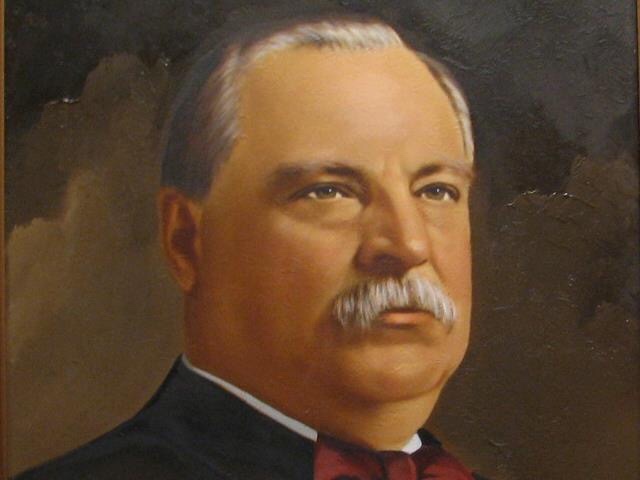
President Grover Cleveland signs the Dawes Severalty Act into law.

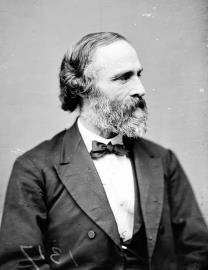
Massachusetts Senator Henry Laurens Dawes authored the bill with the intent of facilitating the integration of native Americans into the white society.

Dawes and others felt this was the only way to “protect” the Indians, by forcing them to cease their communal way of living. The law broke up the tribal holdings, giving individuals the land.

Married men were given 160 acres of land, single men 80 acres, boys 40 acres and women no land.

The thought was that by forcing the native American families into individual units, as whites lived, they would be assimilated.

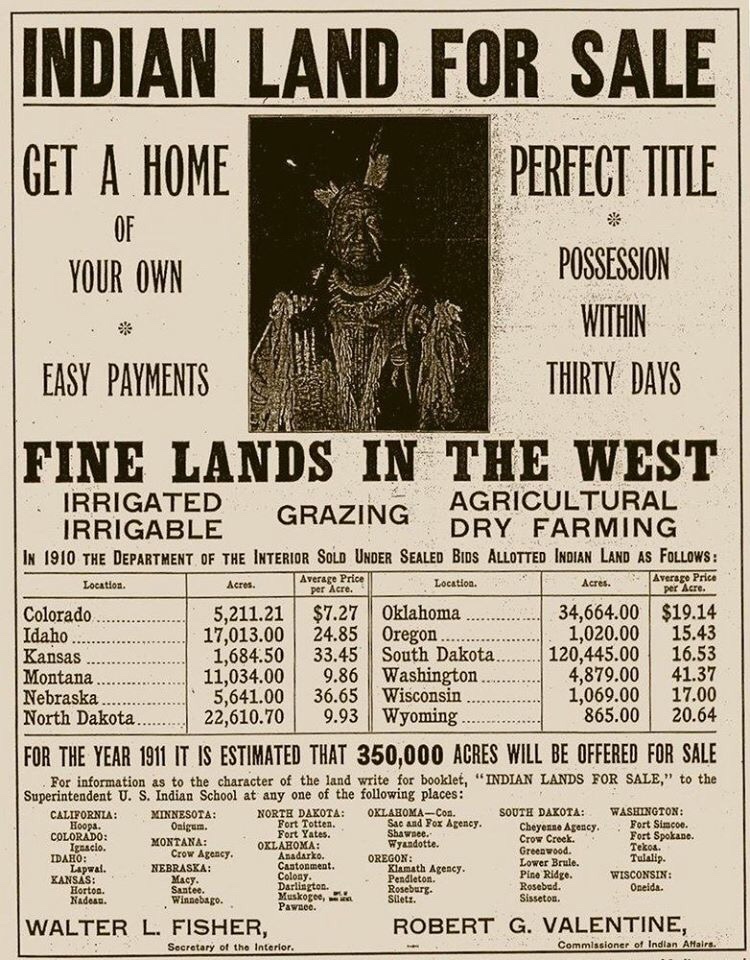
As seems to have happened with all acts to “benefit” the Indians, hidden within the law was a land grab. The law provided that after the lands had been apportioned, any land that was left could be sold to non-Indians. The result was that by the 1930’s, when Congress reversed the act and gave the tribes back their rights as nations, the tribes had lost fully 3/4 of their previous land holdings on the reservations.

Initially the 5 Civilized Tribes in Indian and Oklahoma Territories were exempt, but eventually policies were initiated that effected them also. Much of the land that wasn’t sold outright to non-Indians was eventually sold by the Indian owners when they were down on their luck, reducing tribal holdings even more.

The act also had other negative effects on the Native American community, as it forced changes in the community dynamic; the traditional roles for men and women in the tribal leadership were changed.

The Wheeler-Howard Act of 1934 repealed the Dawes Act, but much of the damage was irreparable.

Today in History, February 6, 1952:

Treetops Hotel, Kenya.

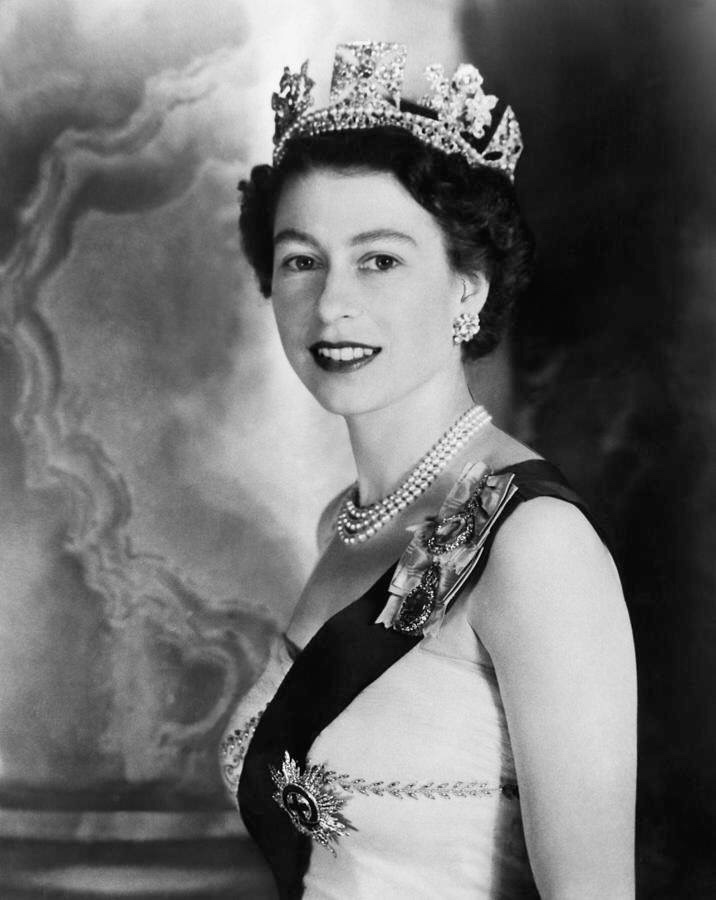
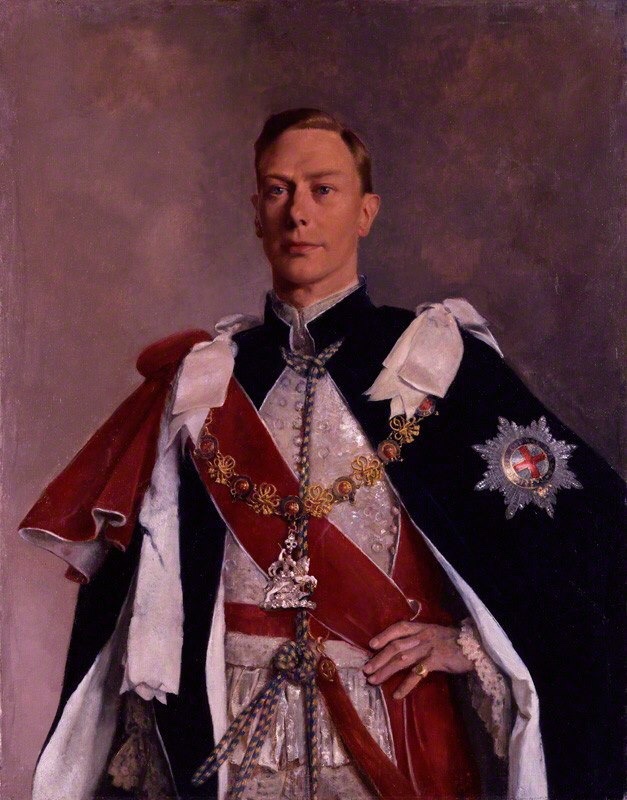
While on a tour of colonial assets, Princess Elizabeth is notified that her father, King George VI, had passed, ascending her to the throne. She chose to keep her name, becoming Queen Elizabeth II of the United Kingdom, including England, Canada, Australia, New Zealand and the Commonwealth. At that time the Empire included many other nations that have since become independent.

Queen Elizabeth, who had been the heir apparent since 1936, still reigns after 68 years, making her the longest reigning sovereign of the British Empire.

Joseph Hunt…Sports Star

Today in History, February 2, 1945:

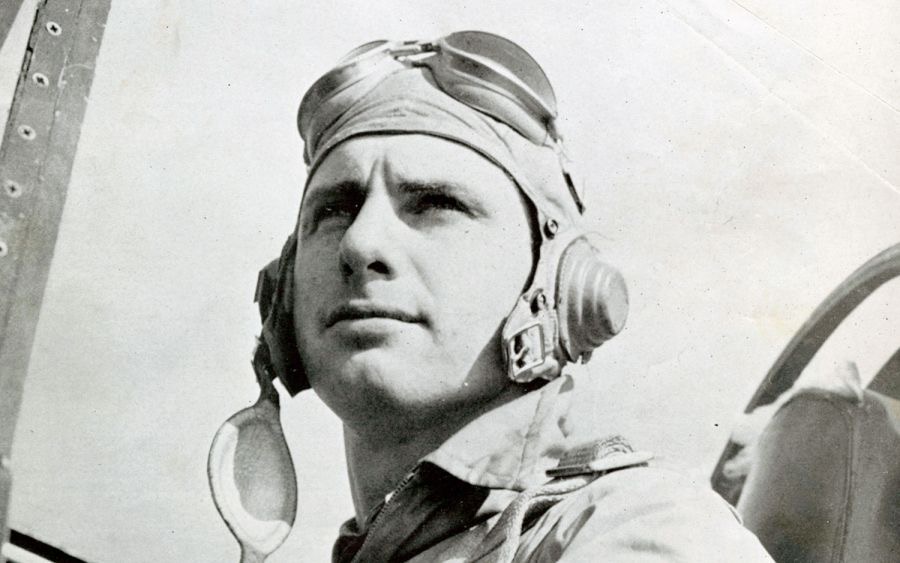
Joe Hunt won the U.S. Boy’s Tennis Championship.

Joe Hunt won the U.S. Junior’s Tennis Championship.

Joe Hunt won the U.S. Collegiate Tennis Championship.

Joe Hunt won the U.S. Men’s Singles Tennis Championship.

Joe Hunt won the 21st Annual Bayview Park Tennis Championship.

He was the only person ever to achieve all of these titles.

Why have you not heard of Joe’s name alongside Arthur Ashe, Billy Jean King, John McEnroe, and Serena Williams?

Because at the height of his career in 1938, Joe Hunt transferred from the University of Southern California to another prestigious college…the United States Naval Academy at Annapolis. Joe wanted to serve his country. He continued to excel at Tennis, and at Football for the USNA.

When war broke out Lieutenant Hunt served in destroyers in the Pacific and the Atlantic.

He won the US Men’s Championship while home on leave.

But destroyer duty, escorting convoys in the Atlantic wasn’t enough for the aggressive athlete…after several requests he finally got the opportunity to earn his wings and take the fight to the enemy in the air…what he really wanted to do.

Joe won his last championship against other former champions serving in the military at a match held near the Pensacola Naval Air Station where he was training.

And on this date in 1945, Joe’s F6F Hellcat fighter crashed into the Atlantic during a training accident. He never got to take the fight to the enemy from a carrier. His meteoric rise in Tennis was cut short.

How much potential did we lost during our nation’s wars? How can we possibly repay such sacrifice? Of course we cannot.

But in 2019, the U.S. Tennis Association demonstrated THEY have not forgotten. They named their Military Appreciation Day in honor of Lieutenant Joseph Hunt, USN.