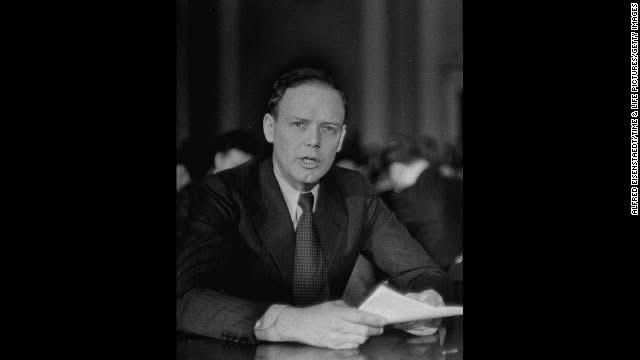
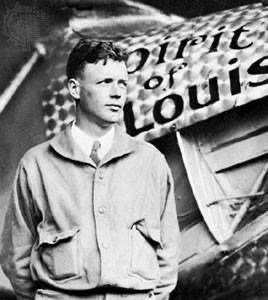
American hero Charles Lindbergh, who in 1927 was the first to fly solo across the Atlantic, sits before the US Congress and encourages the US to remain neutral with Nazi Germany.
After his son was kidnapped and subsequently murdered, Lindbergh and his wife moved to Europe to avoid attention.
While there he became enamored with the German air superiority (at least warning America about that) and their “advancements”.
When he returned, son of a US Congressman, he sat before congress and denounced FDR’s administration, Jews, and the British, encouraging neutrality.
A fool on a fool’s errand? Perhaps.
Only history can determine whether he can be forgiven for his poor judgement after he flew 50 combat missions in the Pacific against the Japanese once the war began. He would die in Hawaii in 1974. Hero or traitor? We all make poor choices at some point in our lives, but can we obtain redemption?
As we celebrate Christmas, the birth of Christ, I am always drawn to remember those who sacrificed so much so we could live in freedom.
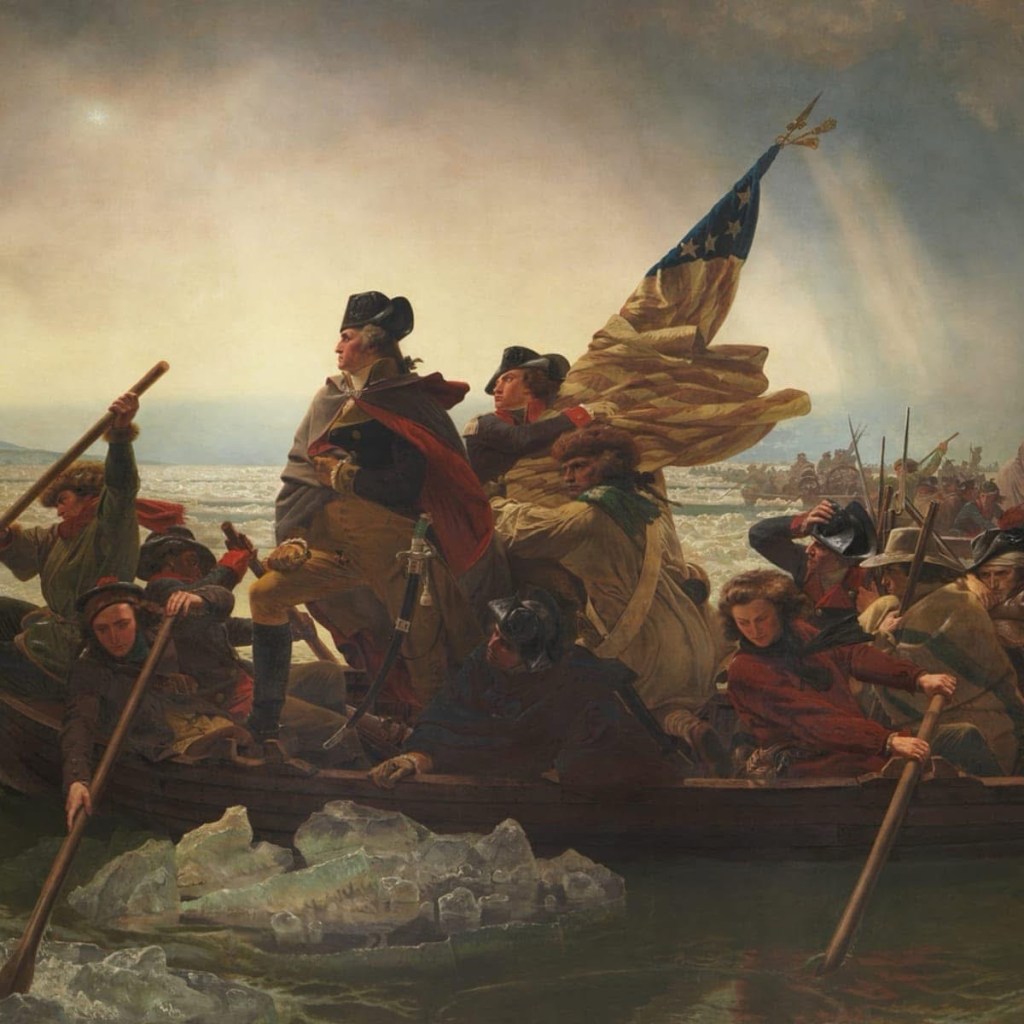
In 1776 George Washington and his troops spent Christmas away from their families, crossing the Delaware to kick some Hessian derrière at Trenton, New Jersey.
In 1777 that same army spent Christmas at Valley Forge…starving, shivering without clothing or shelter while training for coming battles.
From 1861-1865 the nation was at war…families were separated and brother fought brother…General William Tecumseh Sherman sent a Christmas present to President Lincoln in 1864…Savannah, Georgia.
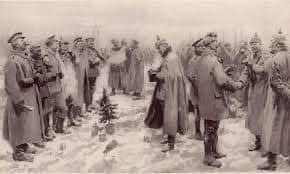
In 1914 a British soldier in the trenches listened to German soldiers singing Silent Night in the darkness and risked his life to stand up and join in. Soldiers from both armies spent Christmas exchanging gifts and playing ball…a small respite from killing one another.
In 1918 the entire world spent Christmas suffering through a flu pandemic which took millions of lives…at the same time they suffered the first mechanized war.
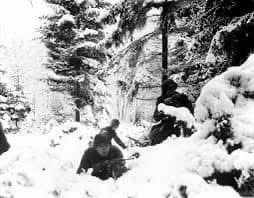
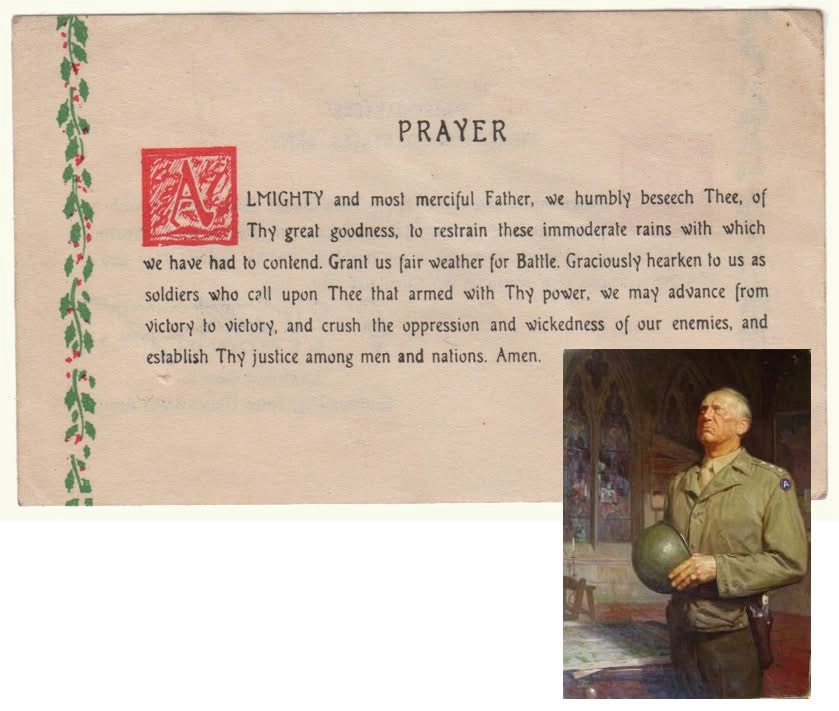
In 1944 the 101st Airborne and Patton’s 3rd Army spent Christmas fighting Nazis at Bastogne.
History gives us peace. Because if we know it, we know life goes on. If we know history and have faith, we know our travails are temporary and we will all be together soon enough with our savior.
God Bless you all. May you receive God’s strength and comfort.
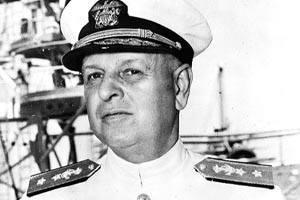
Admiral Husband E. Kimmel, commander of the Pacific Fleet during the Pearl Harbor attack, was relieved of his command. He would eventually resign his commission, ostensibly to avoid a court martial.
Much controversy has surrounded Kimmel.
He had a brilliant career, having worked for Assistant Secretary of the Navy Franklin Roosevelt in 1915, and continuing a successful career as a Battleship officer in the inter-war years.
He had not prepared well for the possibility of Japanese air attack, but then, neither had anyone else. Was he a scapegoat? Perhaps. Intel expected a Japanese attack, but most expected them upon Allied interests closer to Japan, such as the Philippines. Yet Douglas MacArthur did not face discipline, quite the contrary.
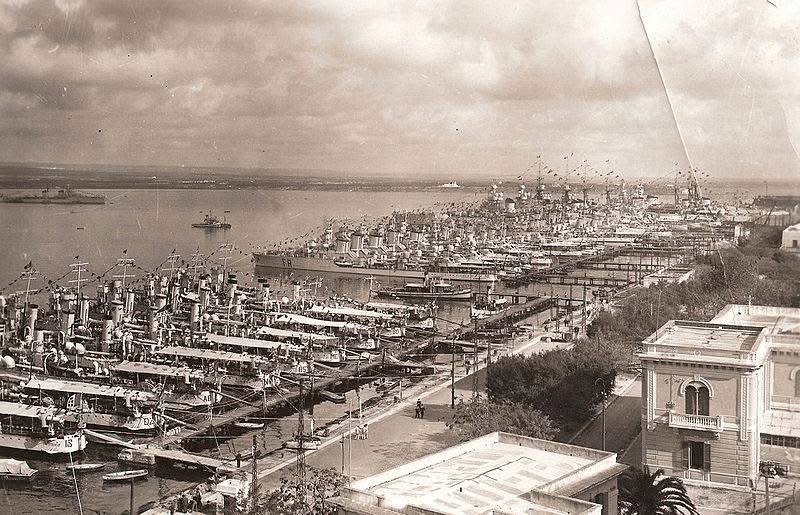
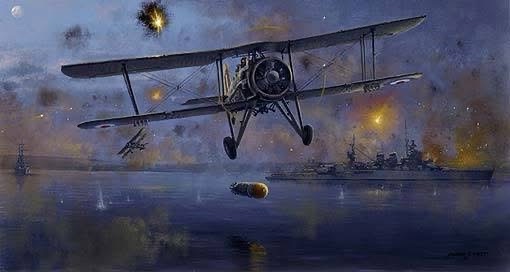
US Navy exercises had proven in the thirties that an air attack on Pearl Harbor was not only possible, but likely. As for a torpedo attack in a shallow harbor? While torpedoes normally drop to a lower depth before running their course, making attacks in shallow harbors difficult, the British had proven at Taranto in 1940 that a successful attack was possible when they sank an Italian fleet with obsolete biplane torpedo bombers.
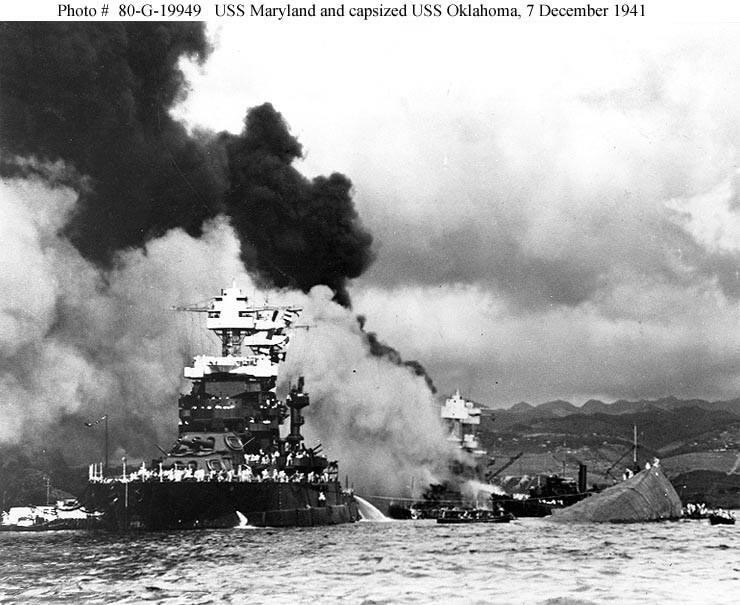
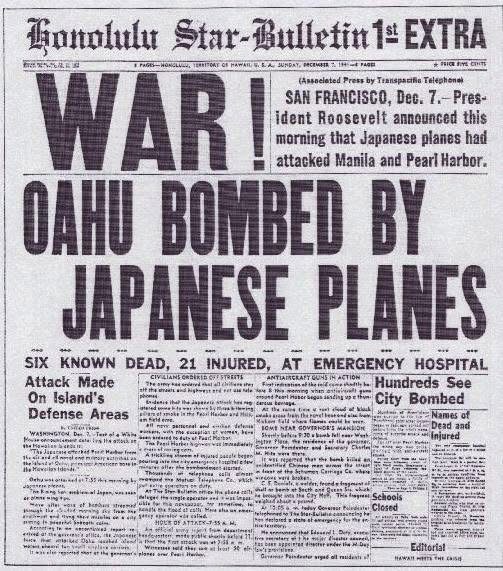
There were many warnings preceding the attack…yet the devastating assault was very successful.
What normally is not mentioned as evidence of the obvious nature of the attack is that the tremendously successful (rightfully so) successor to Admiral Kimmel, Admiral Chester W. Nimitz, was offered the Pacific Command before Kimmel was. He turned it down in favor of taking the also important post as Chief of the Bureau of Navigation. Was Nimitz prescient? Did he know that CINCPAC would be sacrificed? Once that had happened, he accepted the important post. I’m not saying anything bad about Nimitz…far from it. He was the right man for the job.
In the midst of foreign wars in 1940, Franklin Delano Roosevelt won a third term as US President. It had been a hard fought campaign.
Learning that the loser in the campaign, Wendell Wilkie, was headed to London to gain info on the war, FDR invited him to the White House. They chatted amicably, and FDR asked the Republican to deliver a handwritten note to Prime Minister Winston Churchill, giving him a letter of introduction, making him an emissary.
The note contained part of a Longfellow poem which FDR & Churchill, both Naval enthusiasts, would recognize immediately.
When Churchill gave a speech on February 9, 1941 he included the verse, crediting FDR and Wilkie.
…Sail on, O Ship of State!
Sail on, O Union, strong and great!
Humanity with all its fears,
With all the hopes of future years,
Is hanging breathless on thy fate!
The verse recognized the troubles both nations were enduring.
I share this now reflecting on how good it would be in these contentious times if in the coming months the victor and the defeated of a presidential campaign could come together and help the ship of state to sail on. Lincoln also did it with his “team of rivals.”
I really enjoy connections in history, and the Roosevelts are replete with material. Theodore Roosevelt, Jr, the president’s namesake son, created a military legacy which probably eclipsed that of his father.
On July 4, 1942, at 55 years old, Brigadier General Roosevelt found himself in command of a segment of the US Army 1st Infantry Battalion (The Big Red One), 26th Regiment en route to Europe during WWII.
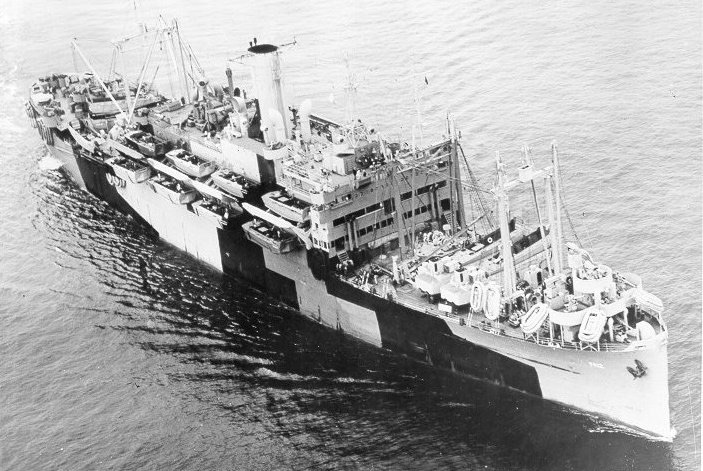
Independence Day came in the middle of the Atlantic aboard an aging rust bucket of a troop ship named the USS Leonard Wood en route to England.
His cousins Franklin and Eleanor were in the White House.
TR Jr celebrated the day with food and song for his troops, and gave a speech.
In the speech he explained the irony that 25 years before on Independence Day in 1917, he had been on another troop ship in the middle of the Atlantic, sailing with the same Regiment to Europe to fight the same enemy for the same reasons in WWI.
There were more Independence Day ironies for the family.
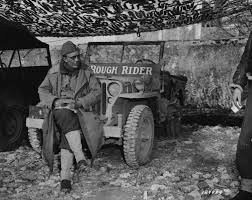
17 years before TR Jr’s first crossing with the Regiment, on July 4, 1900, his father the President led a parade of Rough Riders in Oklahoma City; many of them were from Oklahoma and the Indian Territory.
2 years before that on Independence Day in 1898 TR had still been in Cuba, having led the charge up Kettle Hill on July 1st.
The rust bucket? It was named for the US Army officer, Leonard Wood, who had been Colonel Roosevelt’s (Sr) commander and close friend during the Spanish-American War campaign.
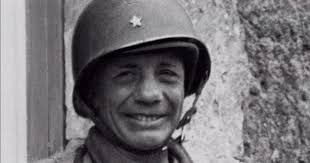
TR Jr would go on to fight with distinction in the North Africa campaigns. On the D-Day Normandy invasion on June 6, 1944 he would be the only general officer to go ashore in the first wave with his troops. Dropped in the wrong location, he was famous for declaring “We will start the war from right here.”
Theodore Roosevelt, Jr would die in France a little over a month after D-Day, suffering a heart attack. He is buried there next to his brother Quentin, who died in combat in WWI.
Father and son would both be awarded the Medal of Honor posthumously.
He lay staring up at the sky, though the sun was hidden from his sight by smoke and dust and powder. The mini-ball had shattered his left thigh… he could not stand. The pain was excruciating, his hands were covered in blood from where he attempted to feel his injuries.
He could hear the rifles firing, accompanied by the cannon and rallying cries. What horrified him most… he could hear the crackling of the fire. He knew it was coming closer very fast, fueled by the trees in the Wilderness. A forest was no place for so much weaponry.
He looked one direction, then the other. Dozens of men lay in similar condition to him. Many of them screaming for help that could not come. Closest to him, he saw Tommy. He grew up with Tommy… with all these men. Their regiment all signed up from the same town. Tommy was the strongest of them, always steadfast and quiet.
When the fire reached Tommy, it caught his clothing first, but soon it engulfed him entirely. Tommy’s terrified screams echoed in his ears until Tommy’s powder went up, and Tommy was silent.
He rasped out a plea for help. He tried to crawl. He knew he was going to die. But he had to get away from the fire. He and the others had sewn tags with their names on them to their shirts. If he died in the fire, mama would never know what happened to him. He had to save that tag.
He felt his strength leaving him, and lost consciousness. Maybe he would not feel the flames.
He woke suddenly. They must’ve found him. He lay on his back on a table. Above him stood a man covered in blood and grime. The man spoke to others, “Hold him down.”
Then he felt the saw begin to bite into his flesh, he screamed and mercifully, lost consciousness again.
The leg that wasn’t there anymore hurt all the time, as if it were still present. All these years later, he stood on that damned crutch, looking out on a field full of markers.
He could hear their voices. He could hear their screams and feel their pain. The men that weren’t there anymore, that hurt all the time, as if they were still present.
⁃ Battle of the Wilderness, Civil War, 1864.
————-
She was playing in the street, kicking a ball with her friends. Her momma watched with a smile.
She was 13 that year. Her body was changing, and she noticed the boys looked at her differently. She was filling out, having to become accustomed to full breasts and wide hips, amongst other things. Momma had explained things to her. How someday she would have children of her own.
That was the day the soldiers came.
She wished she could talk to momma now. And papa. It had been months since that long ago day in the street. She knew she would never have her own children. It was all gone. Her womanly features were gone. What little flesh she had left hung from her bones loosely. She looked into the hollow, lost eyes of the people around her and understood she looked the same. Everything hurt. Her joints actually rubbed together.
When the door clanged shut, she looked at the shower heads. A warm shower would be such a relief. It would feel good on her filthy flesh.
She knew in her heart this was not a shower room. She heard the hiss of the gas. That would be a relief too, she thought.
⁃ Nazi concentration camp, 1940’s.
These accounts may be from my imagination, however they are based on actual events. Similar incidents happened many times.
As depressing as these events are, knowing history provides perspective. Knowing so many people never got to live their lives makes you appreciate yours all the more, even when things are bad.
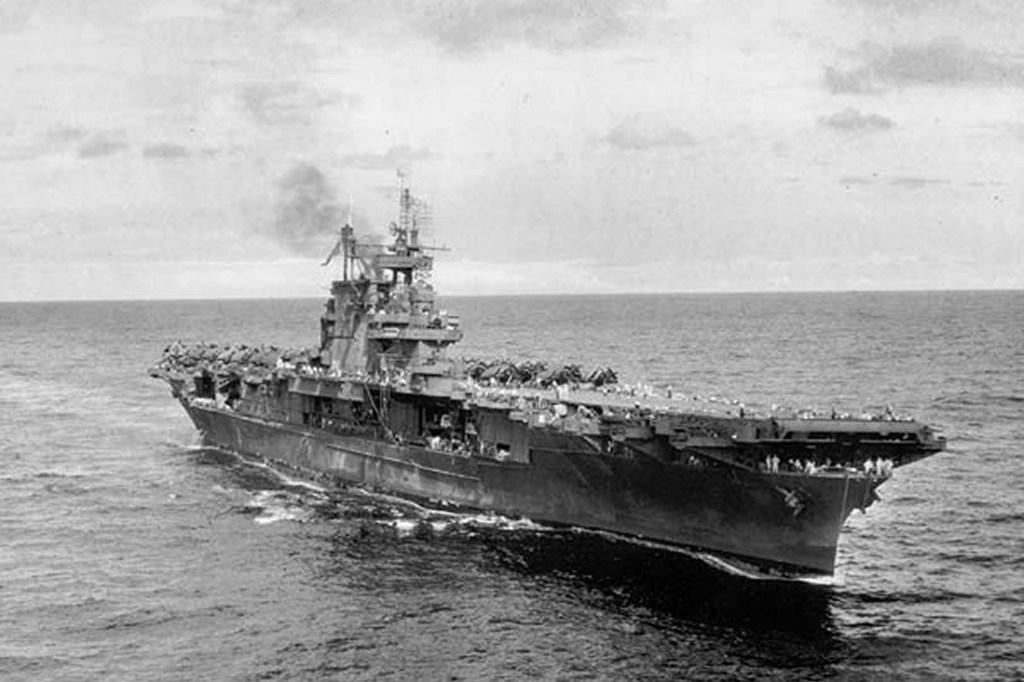
The aircraft carrier USS Enterprise (CV6) was at sea, returning to Pearl Harbor, Hawaii after delivering a squadron of Marine fighter planes and their pilots to Wake Island.
Seas had been rough, and the Task Force’s speed was not what they wanted.
The sailors were looking forward to Saturday night on Oahu and Sunday morning relaxing on the golf course or at the Royal Hawaiian.
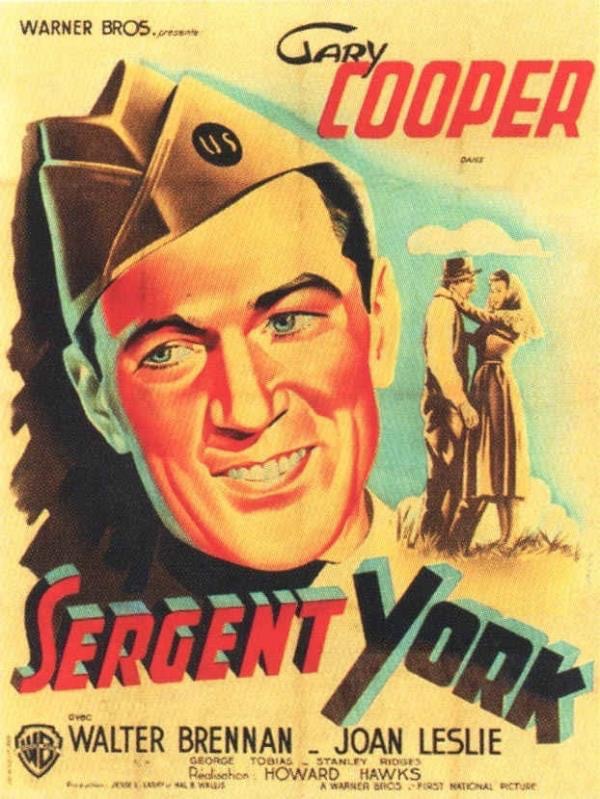
Instead the destroyer sailors spent the night being tossed about; the Enterprise crew, aboard a larger ship, sat down in the hangar deck to watch the now famous motion picture, “Sergeant York” about a heroic soldier from WWI.
Some of the viewers were considered lucky because they would be aboard the scout flights assigned to fly ahead to Pearl the next morning, and would be dead within hours.
The rest would be the lucky ones…because of the delay, the Enterprise was not at her berth on the morning of December 7th. I wonder if she would have been the most decorated ship of WWII if she had been?
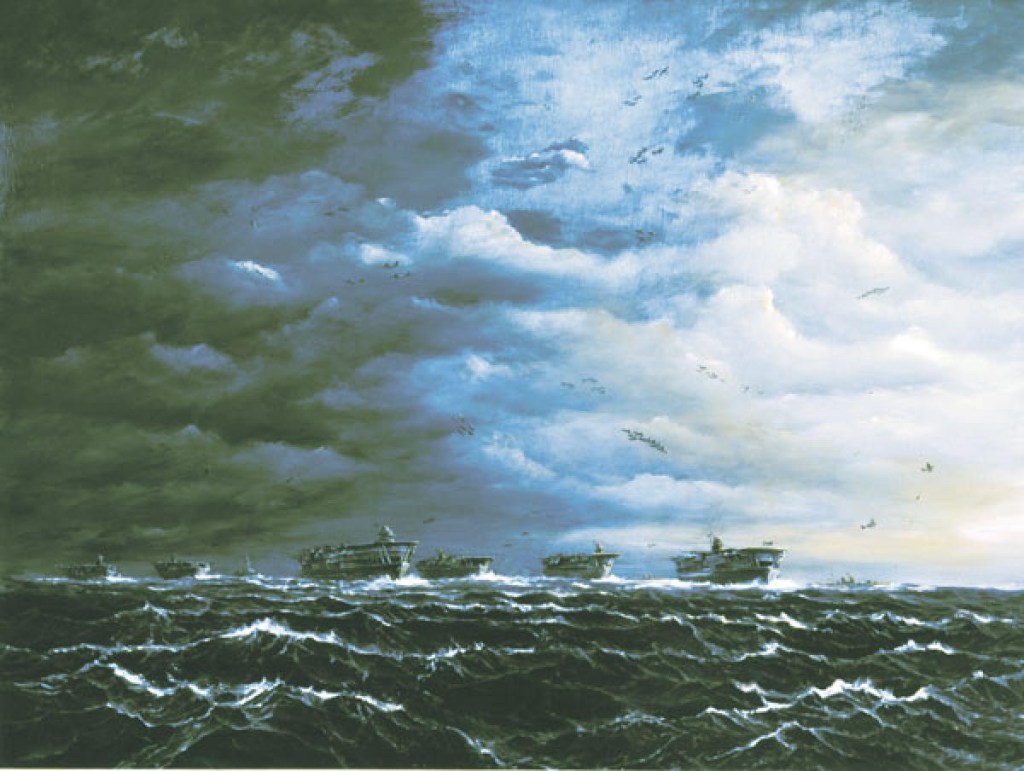
The Japanese Combined Fleet sets sail from the Kurile Islands in northern Japan, enroute to a point 300 miles north of the US Naval base at Pearl Harbor, Oahu, Hawaii.
The fleet consisted of 6 aircraft carriers; Akagi, Kaga, Hiryu, Soryu, Zuikaku, and Shokaku; battleships, destroyers, and many other supporting units.
The fleet maintained radio silence in order to facilitate their surprise attack on Pearl Harbor on December 7th.
In the interim, the Japanese government continued peace negotiations with the US, but only capitulation by the US would have caused them to recall the attack force.
The fleet was commanded by Admiral Chuichi Nagumo, a veteran Japanese Naval Officer. He was not a flyer, and some of his decision in the coming days would reflect that.
The Naval Battle of Guadalcanal and a (mostly) forgotten heroic Admiral.
Most of us know about Admiral William “Bull” Halsey. Admiral Raymond Spruance. Admiral Chester Nimitz. And well we should.
Yet there are others who to most are “also rans.” If you’ve read about WWII battles, you read their names, but little more.
Admirals Scott and Callahan, the only American flag officers to die in combat during the war, who both died on the same night in Iron Bottom Sound off Guadalcanal.
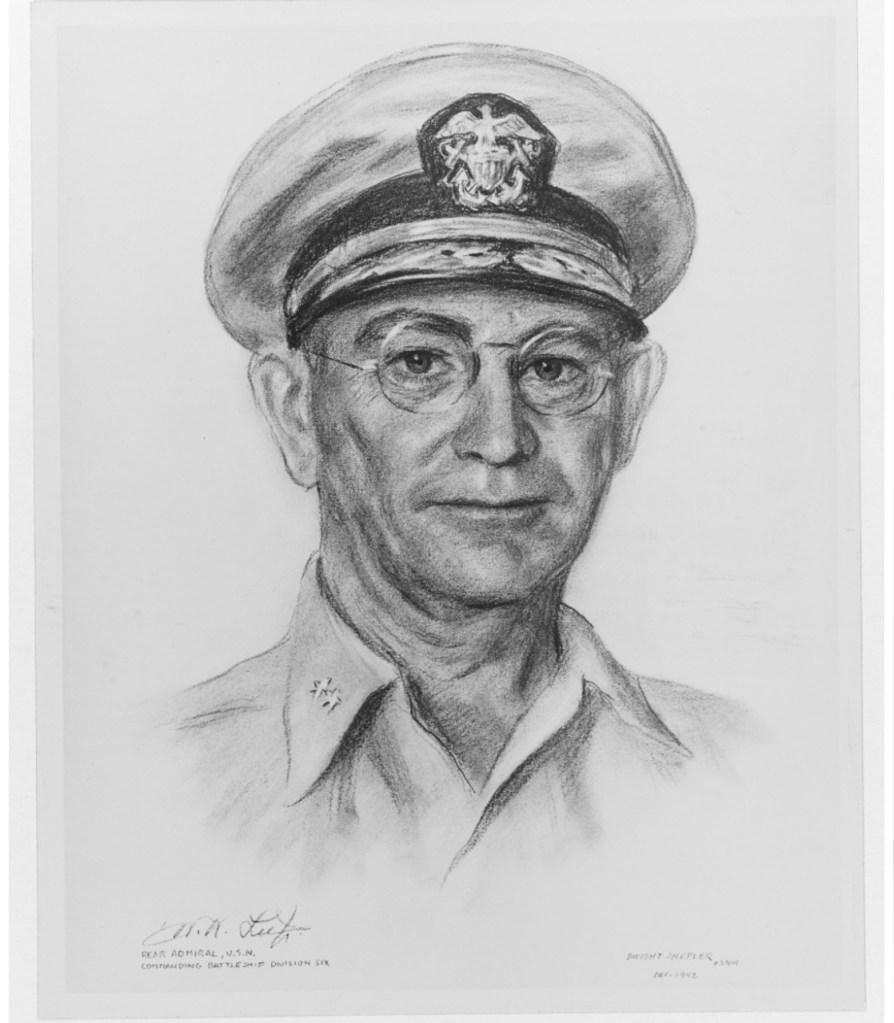
And my subject for this article, Admiral Willis A. “Ching” Lee.
There were numerous battles around Guadalcanal in the late summer and fall of 1942 as the US and Japan fought over the toehold in the Solomon Islands, and more specifically it’s airfield.
There were daytime actions with aircraft carriers, which Pearl Harbor had proven were now the primary fleet units.
And there were numerous night actions involving surface ships such as Battleships, Cruisers and Destroyers. The IJN was attempting to offload reinforcements and to devastate American transports doing the same at Guadalcanal.
The USN was out to prevent that from happening.
During several night actions the USN lost several combatants, but mostly prevented IJN attempts. Not entirely, but often their sacrifices paid off for the Marines ashore, who got some respite from Japanese naval gunfire.
The First Naval Battle of Guadalcanal took place the night of November 13 in what would become known as “Ironbottom Sound” off Guadalcanal. US intelligence had warned US Navy forces that the IJN planned to bombard Henderson Field and land reinforcements on the embattled island. Admirals Callahan and Scott took their forces to interdict IJN Admiral Abe’s forces. In a fierce, confusing, intense night action the Japanese won a tactical victory by sinking more American ships, while the Americans won a strategic victory…Henderson was not bombarded and the American troop ships remained undamaged. But it came at a heavy cost for both sides. Admirals Callahan and Scott would be the only US Admirals to be killed in direct ship to ship combat in the war, and aboard the USS Juneau, the five “Fighting Sullivan” brothers would all be lost.
For the Japanese; surviving battleship Hiei, among others, would fall prey to repeated air attacks from Henderson, Espirito Santo, and the USS Enterprise when the sun came up. And this was only the beginning of the battle.
The Second Naval Battle of Guadalcanal. Late on the 14th, early on the 15th, IJN Admiral Kondo was sent with a force of cruisers and destroyers built around the battleship Kirishima to take another shot at Henderson Field and the transports off shore. Most of the effective American combatants had been either sunk or put out of commission in the first battle, so Admiral Halsey detached a significant portion of the screening force for the USS Enterprise to protect the airfield and the transports. The Battleships USS Washington and USS South Dakota, along with the 4 destroyers with the most fuel took the job. This US Task Force made better use of their radar and spotted the Japanese ships first. The American destroyers sacrificed themselves to fight off Japanese cruisers and destroyers; the South Dakota had nothing but trouble after losing her electrical systems. As the Kirishima and others focused on the nearly defenseless South Dakota, the Washington closed within 9,000 yards of the Kirishima and tore her apart with her main and secondary batteries. Kondo ordered a retreat. Some IJN supply ships beached and began unloading, but by the time US aircraft and an American destroyer were done with them, only about 3,000 troops were ashore…without any supplies, munitions or food…making them more of a detriment than a help. The major significance of this battle is that it was the last time the IJN attempted an all out assault; now they would only offer meager supplies with the use of the “Tokyo Express” up the “Slot”…not enough to support their armies on Guadalcanal. By December 31st the Emperor had agreed to abandon Guadalcanal to the Allies. The most amazing thing to me is that in ’42 the Americans won or lost by scraping together a few ships to fight…at this point Enterprise was the only US Carrier in the Pacific…by this time in ’44, American combat ships were numerous and almost invincible as a whole.
Now back to Admiral Lee. Probably the first thing that should be said is, no, he was not of Chinese descent. He obtained the moniker “Ching” or “Chink” due to his time and success on the “China station” gunboats earlier in his career.
A 1908 graduate of the US Naval Academy, Lee actually had a storied career and was well respected…somewhat of a sage, within the Navy.
He was stoic, easy-going and very approachable for those who served with him. He could likely be found chatting with a junior enlisted man on deck and spit and polish officers reporting aboard would likely report to their commander in his cabin wearing a t-shirt and going over gunnery stats.
Yet he was known as one of the most brilliant minds in the service. He was fastidiously analytical, and enjoyed delving into technical problems. As a result, he led the Navy in gunnery. He literally was a marksman, although plagued with eyesight so bad it nearly got him booted. He won medals at the Olympics for his marksmanship.
Through the years he moved up the ranks, commanding destroyers and cruisers and ending up commanding the DC staff unit which taught the Navy and researched gear.
In 1942 he was sent to the Pacific to command the battleships there. And there he stayed until almost the end of the war.
That night off of Guadalcanal would be his best shot at combat glory. It was his demeanor and wisdom that created the success. American ships were equipped with radar, but it was new and most commanders knew little about it or did not trust it. Not so Admiral Lee. He had studied it emphatically. So when the Washington’s nine 16” and 5” guns opened up, they sent dozens of explosive shells the weight of midsize sedans into the Kirishima, practically blowing her apart and eliminating her commanders.
After that battle, his newer, fast battleships served mostly as escorts for the aircraft carriers and the older battleships became quite adept at bombardment of shore facilities.
All of this left few opportunities for the battleship to battleship slugfests the old battleship Admiral had been trained for.
During the Battle off Samar at Leyte Gulf, Lee’s battleships should have been in a perfect position to pummel the Japanese battleships attempting to devastate American transports.
Famously, Admiral Halsey took the bait provided and set off after decoy IJN carriers. Halsey left none of his four task groups behind, not even the battleships.
Lee believed it to be a mistake, his staff asked him to complain, but he was a dutiful adherent to the chain of command.
When Taffy 3, the light carriers and destroyers armed for shore support began begging for help to fight off a vastly superior Japanese force, it still took a long while for Halsey to order Lee’s battleships back to the Philippines.
It was much too late. Not only did Lee miss the chance for a surface engagement in Leyte Gulf, he could not afterwards rejoin Halsey to use his talents against the IJN carriers.
During those battles the Japanese began using Kamikaze aircraft against the fleet to horrific effect.
In June of 1945, with only two months left in the war Lee had fought diligently since ‘42, which he had prepared for all his life, Lee was sent home.
Not because he had done anything wrong. Ships were being lost and thousands of sailors killed by suicide attacks. The powers that be in Washington wanted the Navy’s best and most analytical mind…the man who had been at the forefront of anti-aircraft development, to solve the problem. Lee had helped implement proximity fused shells into the fleet and then used them to great effect.
Lee didn’t want to go. But he had been assured he would soon be back on the bridges of his battleships.
When the war ended, he was in Maine working the problem.
Nimitz, Halsey, and many of the war’s important commanders were aboard the USS Missouri to witness the surrender. Apparently nobody thought to bring Ching Lee to the party. It had an effect.
One of his staff, Guil Aertsen, had followed him to Maine. On August 25th Aertsen and his wife had breakfast with Lee and his wife, then left for a new assignment.
Lee walked to the dock and boarded a launch, headed for his flagship. He had few prospects and likely faced retirement.
He never made it to his flagship or his retirement. In the small boat, the commander of fleets died from a heart attack.
Much like his contemporary, Admiral John S. McCain, Sr, he had apparently used himself up in service of his country. Senator McCain’s grandfather also dropped dead within days of the surrender.
Stillwell, P. (2021). Battleship commander: The life of vice admiral Willis A. Lee Jr.. Naval Institute Press.
Morison, S. E. (2007). The two-ocean war: A short history of the united states navy in the Second World War. Naval Institute Press.
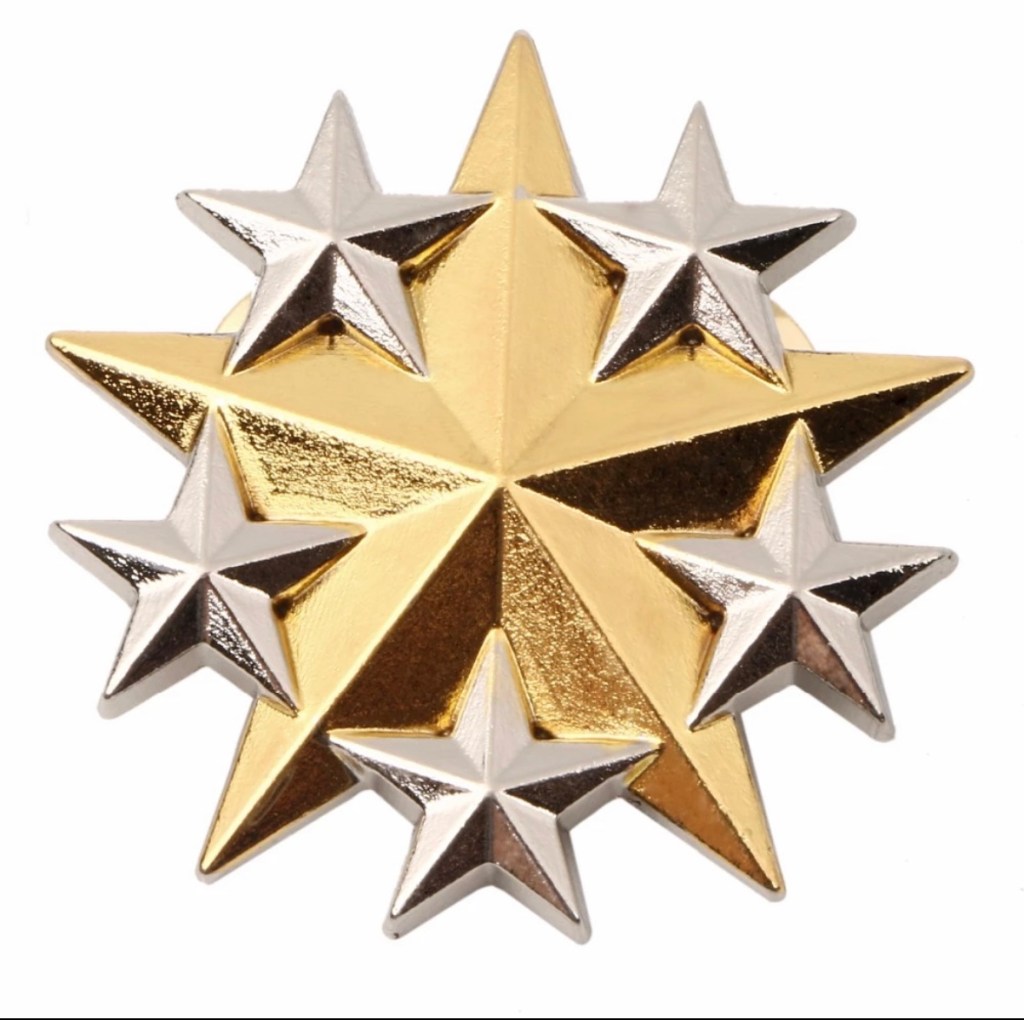
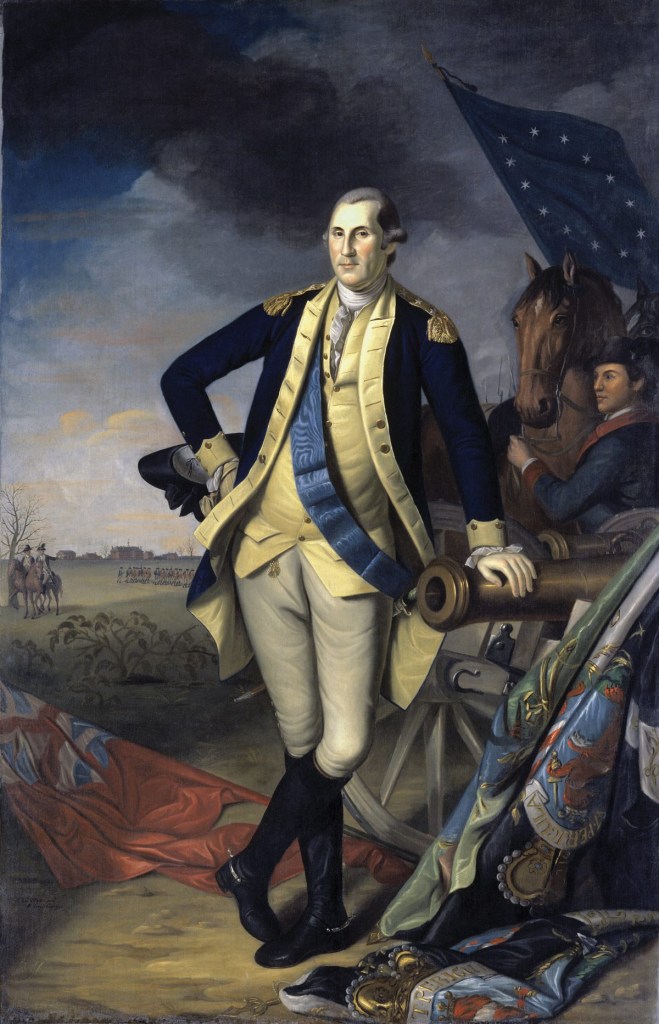
President Gerald Ford signs an act of Congress promoting Lieutenant General George Washington to General of the Armies, what would be a six star general if the insignia existed.
This act promoted the former President over numerous US Army Generals and US Navy Admirals, which was the point.
In the military and paramilitary services such as police, rank matters. To the extent that if two officers of the same rank are involved in an action, they will be comparing dates of rank to see who is in command.
During the Civil War, when General Ulysses Grant was given command of the Union Armies, he was promoted to Lt. General to ensure he outranked all other commanders.
During WWI and WWII the same actions were taken to ensure American commanders would not be outranked by their Allied contemporaries such as Bernard Montgomery in the British Army.
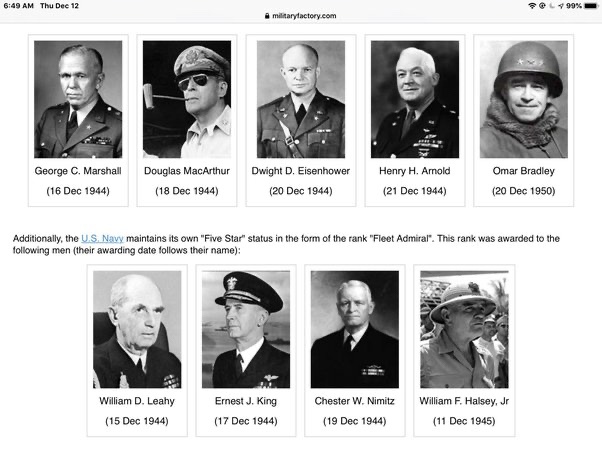
This resulted in several 5-Star Generals and Admirals. Generals of the Army (singular) or Fleet Admirals.
In WWI Gen. John “Black Jack” Pershing had been made a General of the Armies.
At the nation’s bicentennial, it was considered unacceptable that the father of the country should be outranked by any fellow officers, much less so many.
The act not only promoted Gen. Washington above his fellows, it stated nobody can be promoted above him.














 Mark Loves History!