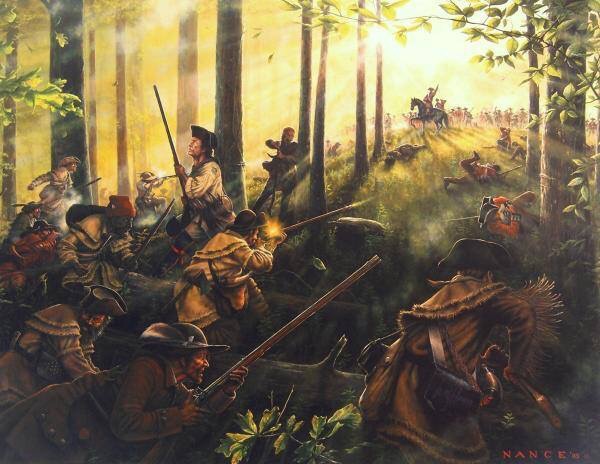
Today in History, October 7: 1780 – The Battle of King’s Mountain. During the American Revolutionary War, the British, along with “loyalist” militia, had been seeing success, including at the Battle of Waxhaws in May, where Col. Banastre Tarleton’s troops had massacred defeated “rebel” troops. At King’s Mountain, South Carolina a contingent of loyalist troops led by British regulars were caught by rebel (loyalist to us) militia made up of mountain men (including Davy Crockett’s father). In a pitched 65 minute battle, the Americans made repeated advances up the mountain, finally cornering their prey. When the loyalists attempted to surrender, the furious patriots shouted “Give ’em Banastre’s Quarter!!!” and continued firing until their Colonels were finally able to regain control of them. The biggest reason for the Patriot success? Tactics. They used cover and concealment in their attacks…common sense to us, but not in the days when soldiers were lined up and advanced in the open.
Tag: History
You Only Fail if You Quit

Today in History, October 6: 1723 – A 17-year-old runaway arrives on the streets of Philadelphia, a fugitive for having fled an apprenticeship in Boston. After trying his hand at his apprenticeship vocation of printing, he accepted an offer to travel to London to get the equipment for a new printing shop to open in Philly. This failed, but after 4 years of adventure in England, young Benjamin Franklin returned to Philadelphia and began his career as a printer, statesman, scientist and activist for freedom. Franklin is the epitome of the theory that you only fail if you quit.
“Militia” As the Founders Saw it…Coffeyville

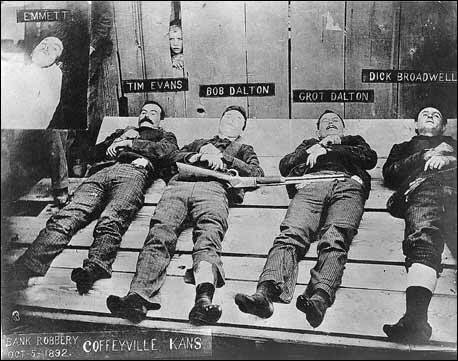

Today in History, October 5: 1892 – In Coffeyville, Kansas, four citizen give their lives in the successful effort to prevent the infamous Dalton gang from robbing two of the town’s banks at the same time. The Daltons made the mistake of attempting to rob a town where they were well known, and were recognized. As they entered the banks, the word was spreading and citizens were arming themselves. As they attempted to flee, they were gunned down, only Emmett Dalton surviving. Coffeyville citizens George Cubine, Charles Brown, Lucius Baldwin, and town Marshal Charles T. Connelly died in the gunfight.
Remington!
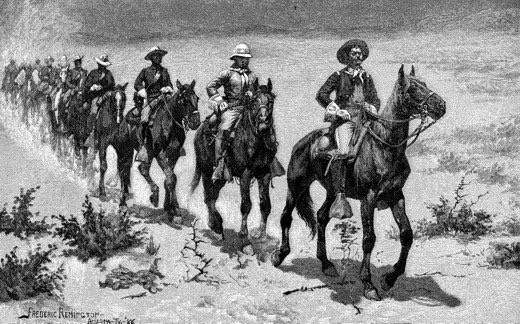
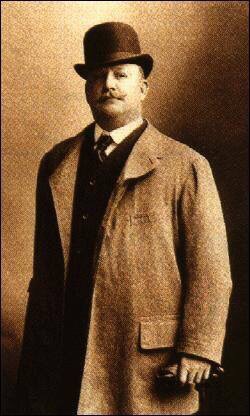

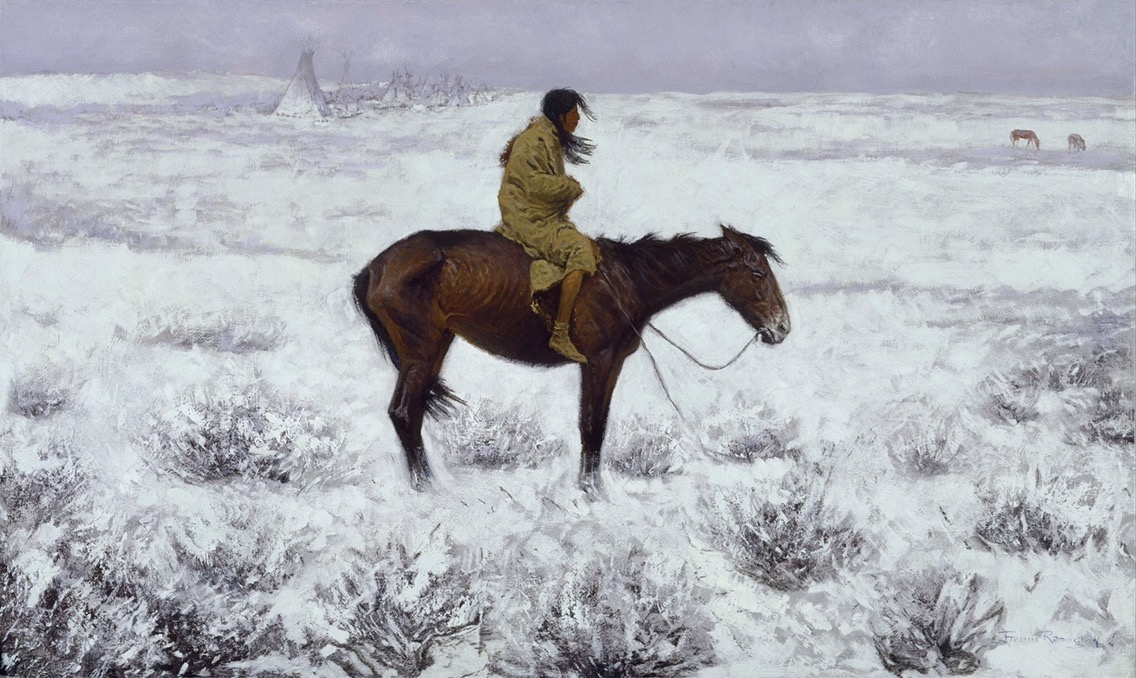

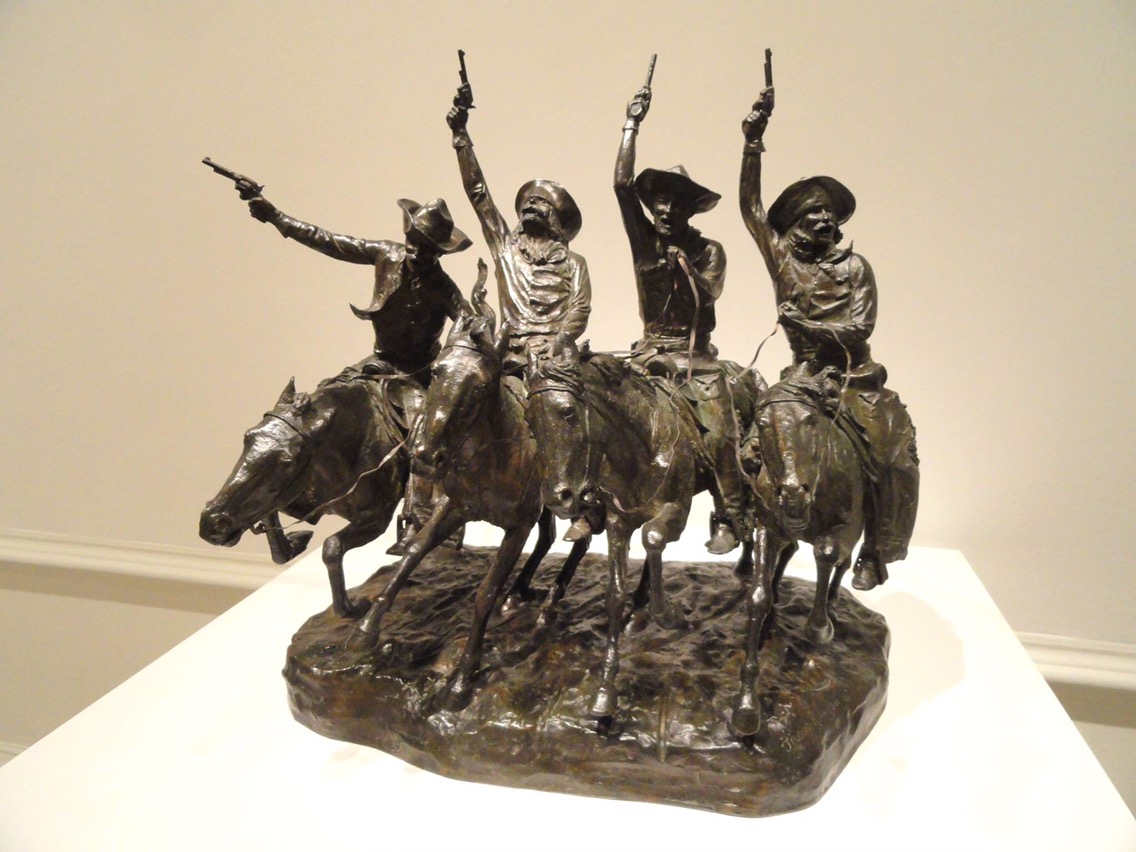

Today in History, October 4: 1861 – Frederic Remington is born in New York. As an adult Remington toured the west, which he was fascinated with. He was a prolific artist, creating thousands of sketches, paintings and sculptures for public consumption. His work was not necessarily considered collectible during his all too short lifetime, but it certainly is now. The Gilcrease Museum here in Tulsa has one of the largest collections of his work. Remington died of a ruptured appendix suddenly in 1909. His artistic talent coupled with his passion for the West brought it home for the American people.
Captain Jack & Gen. Canby
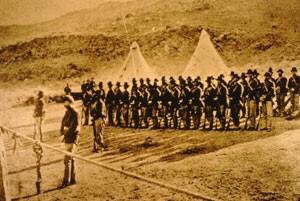


Today in History, October 3: 1873 – Modoc Indian Chief Kintpuash, aka Captain Jack, and three others are hanged by the US Army for the murder of US Army General Edward Canby and Reverend Eleazar Thomas. The Modocs had agreed to move from their ancestral lands to the Klamath Reservation, but were treated poorly by another tribe there, so they returned to their lands in Northern California. Although they attempted to be peaceful, the settlers in the area were not happy with their presence and the army moved them back to the reservation; they again left, holding up in the Lava Beds in California. Gen. Canby agreed to a meeting with the Chief and several others. Under pressure from some of his tribe members, Captain Jack murdered Canby and Thomas. Canby had been a West Point graduate, a veteran of the Mexican-American War and a hero of the Civil War, and the first and only general officer killed in the Indian Wars. In response, Canby’s replacement, Gen. Jefferson C. Davis (no relation to the Confederate President) had Chief Kintpuash and his associates rounded up and tried for murder.
First Female President in 1919?
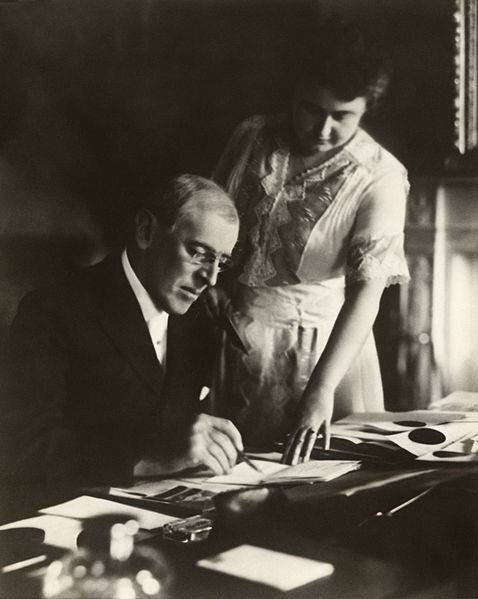
Today in History, October 2: 1919 – President Woodrow Wilson (D) had been on a whirlwind tour of the nation, 8,000 miles in 22 days, pushing America’s entry into the League of Nations (precursor to the United Nations).
On September 25 in Pueblo, Colorado, suffering from exhaustion and recovering from a bout with influenza, he collapsed. He made it back to DC before suffering a debilitating stroke that paralyzed his left side and left him bedridden.
His wife Edith, fiercely protective, cut off almost all access to him in order to keep his incapacitation a secret. She signed off on paperwork and made decisions without consulting the President, claiming she was only acting as a steward to him. He would eventually recover enough to take part in cabinet meetings, but his participation was severely limited.
As for the League of Nations? Wilson’s Republican opponents in the Congress, ferociously opposed to the League, continued to fight it, and with the election of Republican President Warren Harding, the League of Nations issue died.
Sabres Drawn…

Today in History, October 1: 1947 – America’s first “swept wing” jet fighter, the North American F-86 Sabre, makes it’s first flight.
Sleek, beautiful and deadly, the Sabre would go into production and arrive in Korea in time to save the day, as America’s mostly propeller driven air forces were desperately fighting the Russian Mig 15 swept wing fighter. The Sabre and the Mig both had advantages over each other, but American training, as usual, made the difference. The Sabre is my favorite jet fighter. The last one was retired from the Bolivian Air Force in 1994.
A Spy is Hanged

Today in History, September 29: 1780 –
British Major John Andre is sentenced to death by hanging by Gen. George Washington. Andre had been the spy who met with the traitor Benedict Arnold in Arnold’s attempt to give the fort at West Point, New York to the British in exchange for a commission in the British Army.
Washington first offered to trade Andre for Arnold, who had fled to the Royal Navy ship Vulture. When he received no response from Britsh General Henry Clinton, Washington ordered the spy’s hanging.
The hanging was also carried out because the British had set the precedent four years earlier when they had hanged American spy Nathan Hale.
Siege(s) at Yorktown

Today in History, September 28: 1781 – The Siege of Yorktown during the Revolutionary War begins as The Continental Army and their French Allies corner British Lt. General Cornwallis’ forces from land and sea. The siege would last until October 19 when Cornwallis sent one of his officers out to surrender. This would be the last major land battle of the war, and would result in the British government negotiating for peace. Ironically, 81 years later, during the Civil War, Confederate forces would use some of Cornwallis’ trenches in another Siege of Yorktown, this time by forces under the command of Union Gen. George B. McClellan. The result would be different this time; by the time McClellan was ready to act, the Southerners and slipped the noose and escaped.
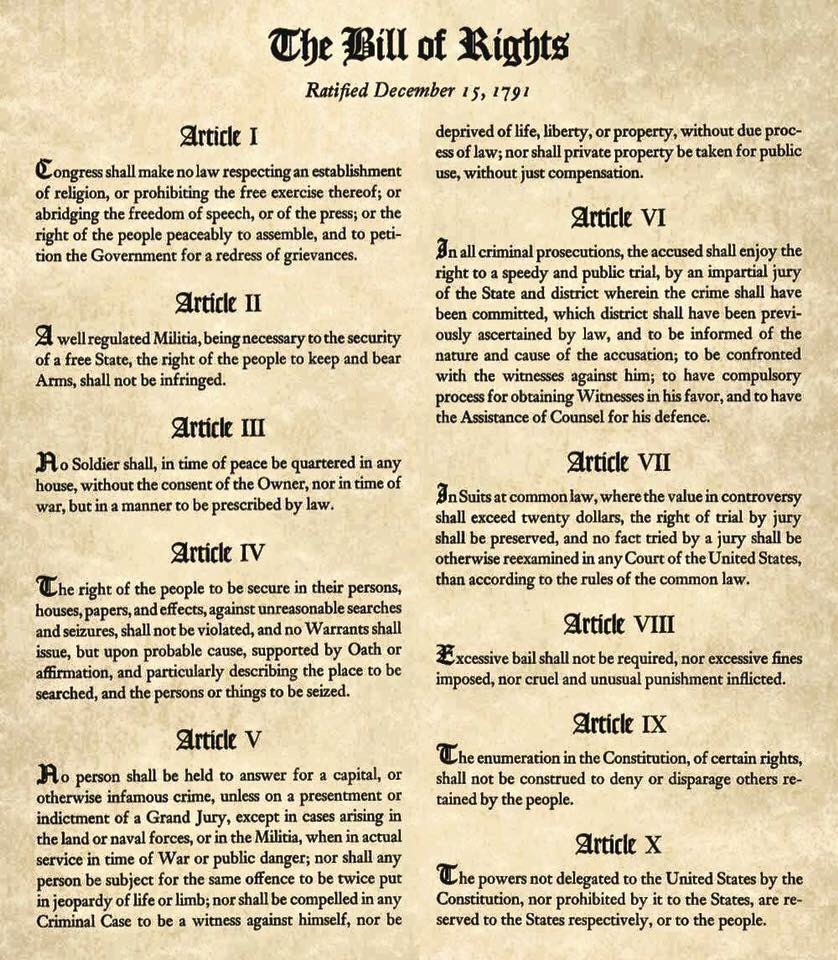
Today in History, September 25: 1789 –
The US Congress approves the first ten ammendments to the Constitution, or The Bill of Rights. The ammendments were more about restricting the powers of government than “bestowing” rights the founders considered natural. The Bill of Rights would be ratified by the states in December, 1791.
 Mark Loves History!