Pappy’s Air War Ends

Today in History, January 3, 1944:

Moments after he became the top fighter ace in the Pacific Theater by shooting down his 26th enemy plane, USMC Major Gregory “Pappy” Boyington was himself shot down over the Japanese base of Rabaul.

He would be captured by the Japanese and held prisoner, brutally treated until rescued from a Japanese prisoner of war camp.

Boyington had been one of the American servicemen to resign their commissions to serve in the AVG, the American Volunteer Group, or “Flying Tigers” in China prior to America’s entry into the war. After Pearl Harbor he rejoined the Marines and fought in the Pacific.

Boyington was a Medal of Honor recipient. A warrior. And a drunk. In his good will tours after the war, he stated bluntly, “Show me a hero, and I’ll show you a bum.”

The Emancipation Proclamation

Today in History, January 1, 1863:

President Abraham Lincoln signs the final version of the Emancipation Proclamation, declaring an end to slavery in the rebelling states.

The road to the end of slavery had been long and hard, and it wasn’t over yet. But this was the most definitive statement ever made in America about the evil and the demise it must suffer.

The founding fathers had known slavery was wrong; but they didn’t believe they could end it and still create the nation that would be America…the southern states depended on slavery for their economy. So they “kicked the can down the road”.

The nation continued to deal with the inequity of it’s principles and its sins through each administration. Andrew Jackson dealt with it during the Nullification Crisis; but again, half measures to keep the peace.

The Missouri Compromise, the Compromise of 1850, the Kansas-Nebraska Act…our early history was juggling Abolition against the slave driven economy of the South on a continuous basis by some of the most talented people of the time.

The Republican party was born of abolitionist beliefs, but still, only half measures.

Even the Proclamation was a half measure. It only declared slavery ended in states in which it could not be enforced….Confederate states. But it made the war about the end of slavery, not only about the perpetuation of the Union. The dye was cast for freedom.

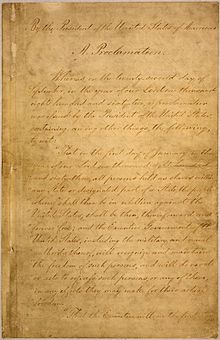
By the President of the United States of America:

A Proclamation.

Whereas, on the twenty-second day of September, in the year of our Lord one thousand eight hundred and sixty-two, a proclamation was issued by the President of the United States, containing, among other things, the following, to wit:

“That on the first day of January, in the year of our Lord one thousand eight hundred and sixty-three, all persons held as slaves within any State or designated part of a State, the people whereof shall then be in rebellion against the United States, shall be then, thenceforward, and forever free; and the Executive Government of the United States, including the military and naval authority thereof, will recognize and maintain the freedom of such persons, and will do no act or acts to repress such persons, or any of them, in any efforts they may make for their actual freedom.

“That the Executive will, on the first day of January aforesaid, by proclamation, designate the States and parts of States, if any, in which the people thereof, respectively, shall then be in rebellion against the United States; and the fact that any State, or the people thereof, shall on that day be, in good faith, represented in the Congress of the United States by members chosen thereto at elections wherein a majority of the qualified voters of such State shall have participated, shall, in the absence of strong countervailing testimony, be deemed conclusive evidence that such State, and the people thereof, are not then in rebellion against the United States.”

Now, therefore I, Abraham Lincoln, President of the United States, by virtue of the power in me vested as Commander-in-Chief, of the Army and Navy of the United States in time of actual armed rebellion against the authority and government of the United States, and as a fit and necessary war measure for suppressing said rebellion, do, on this first day of January, in the year of our Lord one thousand eight hundred and sixty-three, and in accordance with my purpose so to do publicly proclaimed for the full period of one hundred days, from the day first above mentioned, order and designate as the States and parts of States wherein the people thereof respectively, are this day in rebellion against the United States, the following, to wit: 

Arkansas, Texas, Louisiana, (except the Parishes of St. Bernard, Plaquemines, Jefferson, St. John, St. Charles, St. James Ascension, Assumption, Terrebonne, Lafourche, St. Mary, St. Martin, and Orleans, including the City of New Orleans) Mississippi, Alabama, Florida, Georgia, South Carolina, North Carolina, and Virginia, (except the forty-eight counties designated as West Virginia, and also the counties of Berkley, Accomac, Northampton, Elizabeth City, York, Princess Ann, and Norfolk, including the cities of Norfolk and Portsmouth[)], and which excepted parts, are for the present, left precisely as if this proclamation were not issued.

And by virtue of the power, and for the purpose aforesaid, I do order and declare that all persons held as slaves within said designated States, and parts of States, are, and henceforward shall be free; and that the Executive government of the United States, including the military and naval authorities thereof, will recognize and maintain the freedom of said persons.

And I hereby enjoin upon the people so declared to be free to abstain from all violence, unless in necessary self-defence; and I recommend to them that, in all cases when allowed, they labor faithfully for reasonable wages.

And I further declare and make known, that such persons of suitable condition, will be received into the armed service of the United States to garrison forts, positions, stations, and other places, and to man vessels of all sorts in said service.

And upon this act, sincerely believed to be an act of justice, warranted by the Constitution, upon military necessity, I invoke the considerate judgment of mankind, and the gracious favor of Almighty God.

In witness whereof, I have hereunto set my hand and caused the seal of the United States to be affixed.

Done at the City of Washington, this first day of January, in the year of our Lord one thousand eight hundred and sixty three, and of the Independence of the United States of America the eighty-seventh.

By the President: ABRAHAM LINCOLN 
WILLIAM H. SEWARD, Secretary of State.
Auld Lang Syne

Today in History, December 31, 1929:

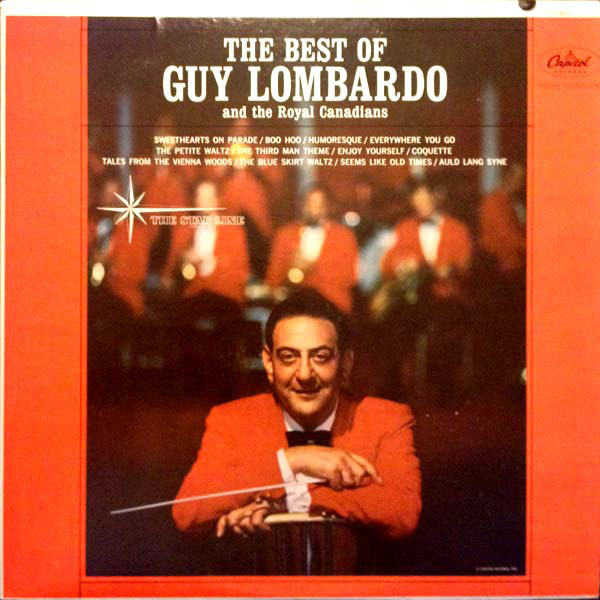
Guy Lombardo and The Royal Canadians perform “Auld Lang Syne” for the first time on the radio from The Roosevelt Grill in the Roosevelt Hotel, NYC. They would continue to do so on radio and television for the nearly half a century, even after Lombardo’s death in 1976, become an American standard.

Should old acquaintance be forgot,
and never brought to mind?
Should old acquaintance be forgot,
and old lang syne?

CHORUS:

For auld lang syne, my dear,
for auld lang syne,
we’ll take a cup of kindness yet,
for auld lang syne.

And surely you’ll buy your pint cup!
and surely I’ll buy mine!
And we’ll take a cup o’ kindness yet,
for auld lang syne.CHORUS

We two have run about the slopes,
and picked the daisies fine;
But we’ve wandered many a weary foot,
since auld lang syne.CHORUS

We two have paddled in the stream,
from morning sun till dine;
But seas between us broad have roared
since auld lang syne.CHORUS

And there’s a hand my trusty friend!
And give me a hand o’ thine!
And we’ll take a right good-will draught,
for auld lang syne.

Texas Statehood

Today in History, December 29, 1845:

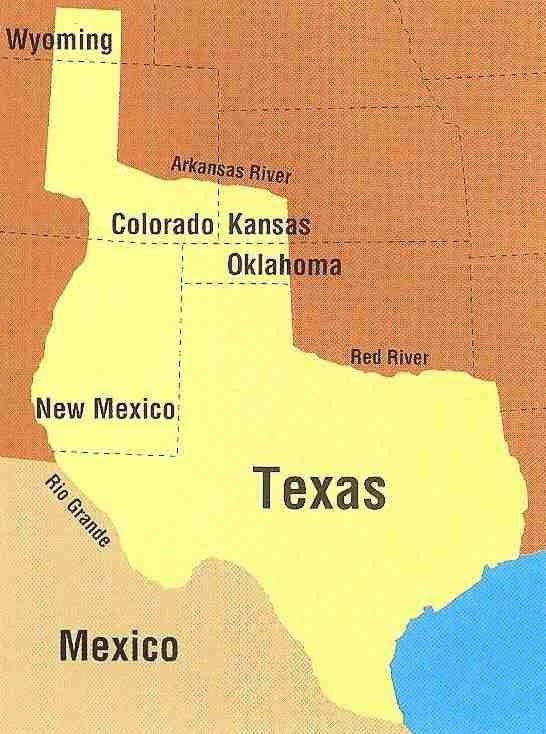
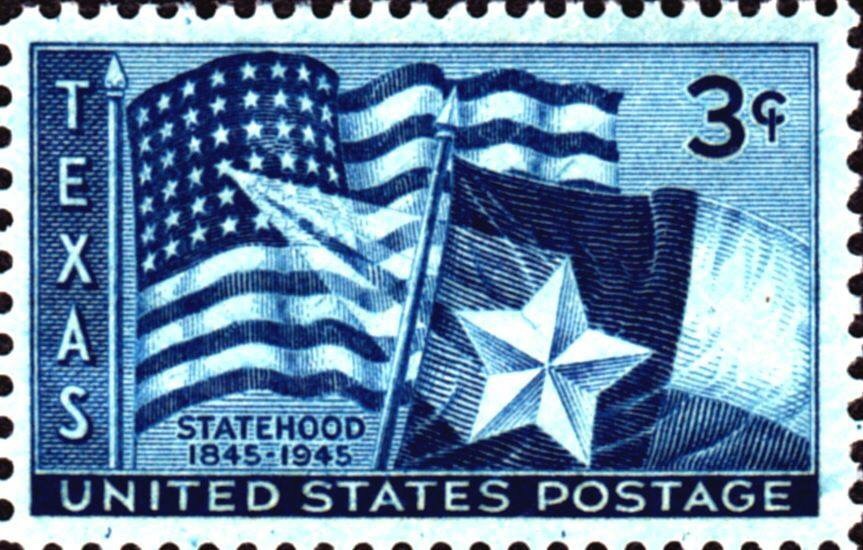
The United States annexes the Republic of Texas, the only US state to have been an independent nation. The Republic had gained quite a bit of debt in it’s short life, and part of the bargain was for the Republic to relinquish parts of modern day Oklahoma, New Mexico, Colorado and Wyoming to the US in exchange for ten million dollars in bonds. As a sovereign nation, the new state of Texas gained rights most other territories and states did not, which is why Texas has profited from her oil rights on land and off her shores.

The Flushing Remonstrance; Love Thy Neighbor

Today in History, December 27, 1657:

The Flushing Remonstrance.

Director-General of New Netherland Peter Stuyvesent had banned the practice of any religion other than that of the Dutch Reform Church.

Flushing, New Netherland, now Queens, New York, was then a Dutch colony. Stuyvesent diligently enforced his edict, imprisoning or banishing those that dared practice their own religions, including Quakers.

On this date 26 English colonists in Flushing signed a written protest and sent it to the Director-General protesting the mistreatment of the Quakers, though none of the signers were Quaker.

Four of them were arrested and/or banished for their trouble, and the law remained in place. The remonstrance is considered a pre-cursor to our own religious freedoms, and is remarkable for it’s eloquence and because none of the signers stood to personally gain by their acts. Stuyvesent would eventually be ordered by the Dutch home government to end his persecution of other religions.

In part…”Therefore if any of these said persons come in love unto us, we cannot in conscience lay violent hands upon them, but give them free egresse and regresse unto our Town, and houses, as God shall persuade our consciences, for we are bounde by the law of God and man to doe good unto all men and evil to noe man. And this is according to the patent and charter of our Towne, given unto us in the name of the States General, which we are not willing to infringe, and violate, but shall houlde to our patent and shall remaine, your humble subjects, the inhabitants of Vlishing.”

NUTS!!

Today in History, December 22, 1944:

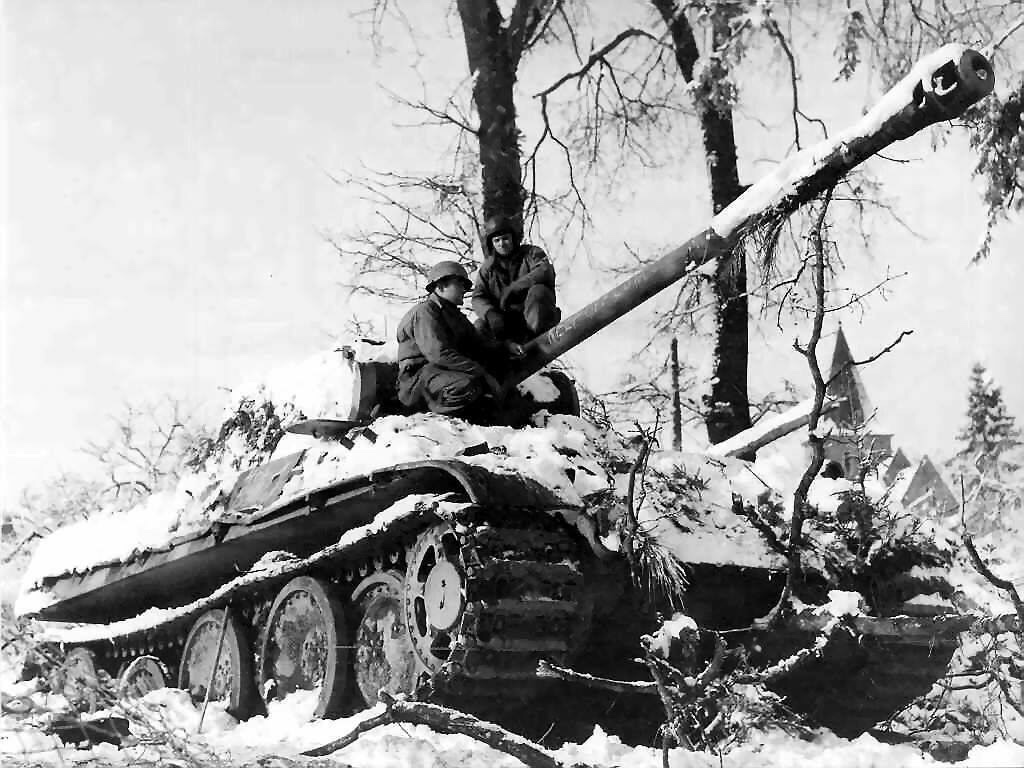
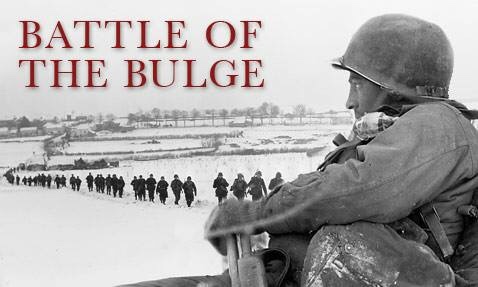
The 101st Airborne Division was surrounded by the Nazis at Bastogne, Belgium, after the Germans had broken through Allied lines in their last major assault of WWII. The “Battle of the Bulge” had caught the Allied command (well..not all, but thats another story) by surprise. The weather had Allied air support grounded and the German mechanized units (tanks) helped them quickly overrun the Americans. Freezing temperatures contributed to their woes.

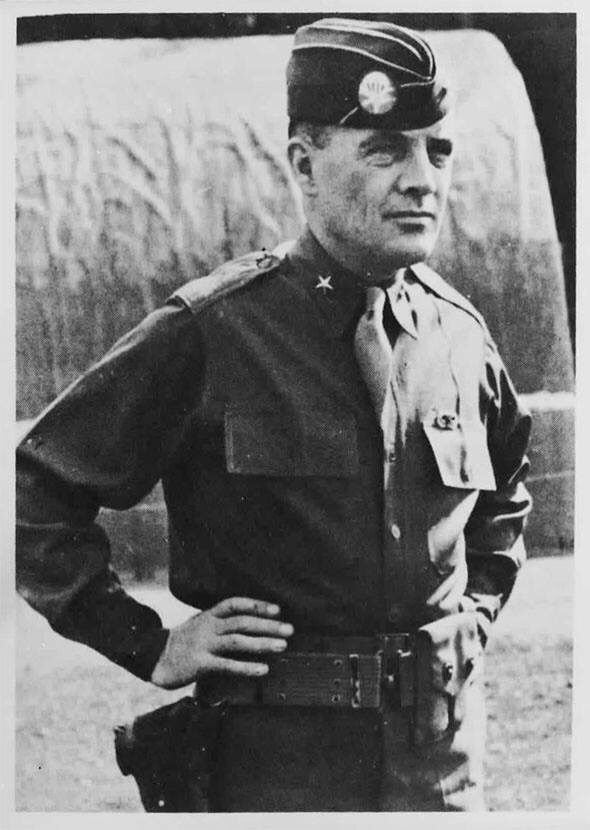
Low on supplies and ammo, no air support due to the weather, three days before Christmas, their commander, Brigadier General Anthony McAuliffe received a demand from the German commander to surrender.

It took the Germans a bit to comprehend the one word, typically American vernacular,

“NUTS!”

The 101st would not surrender and fought on in desperate conditions until finally relieved by General Patton’s Army Corps and Allied Air Support when the weather broke.

Tragedy for Christmas

Today in History, December 15, 1944:

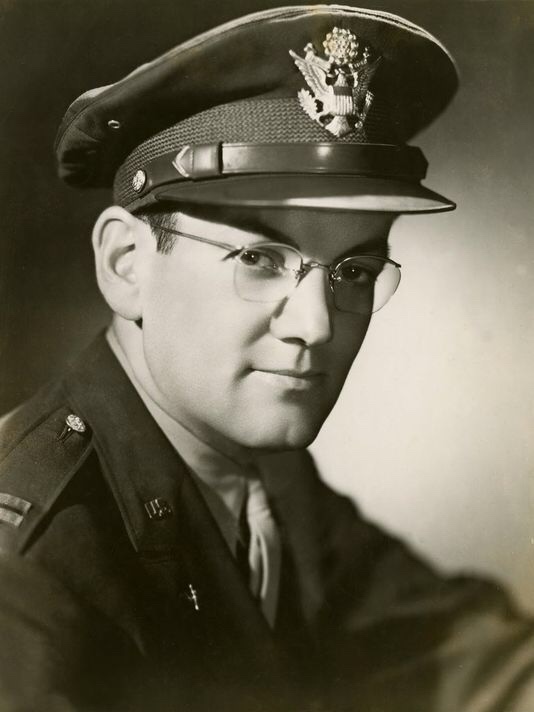
Think of any of your favorite singers, musicians, or groups, roll them altogether, and they aren’t as popular as Glenn Miller and his band were from 1937 to 1944.

In September of 1942 Miller, at the apex of his popularity, gave up the luxuries of home and entered the US Army Air Corps as a Captain to lead the US Army Air Corps Band. He and the band went to England and gave concerts to the troops, which was richly received.

On this date in 1944, Miller took off in a single engine aircraft from England en route to Paris to set up a show for the troops who had just taken that city back from the Nazis. Its the last time Miller was heard from, his plane went down over the English Channel; his remains nor his plane were ever found.

I can’t listen to this song without picturing all of the men and women…girls and boys…who put their lives on hold and saved the world during World War II, from Normandy to Iwo Jima to the Homefront.  Glenn Miller represented them, they were listening to his music before the war at High School dances and on radios before they went into combat.  Thank you, Mr. Miller.

  https://youtu.be/FhZ-yTIXXYI

The Flying Banana Goes to War

Today in History, December 11, 1961:

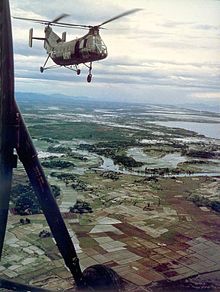
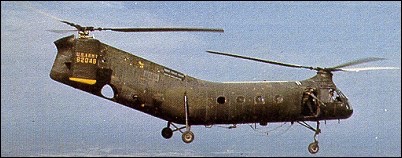
The first helicopters (H21C Shawnees) arrive in Vietnam, with the mission of transporting South Vietnamese troops into combat.

Helicopters had been used in Korea to transport wounded soldiers, but by Vietnam they had developed to the point that they could be used to move troops quickly into combat areas. This was a marked change in combat operations.

The decendants of the Shawnee would of course play an ever more important role in Vietnam and beyond.

When to Hold Your Move – Kentucky in the Civil War

Today in History, December 10, 1861:

Kentucky is accepted into the Confederacy by the Confederate government. However the act didn’t mean much.

When the war had begun, both sides very much wanted Kentucky, a well-positioned border state, contiguous with the Mississippi River, on their side.

However, it’s citizens were pretty evenly split in their allegiances between the North and the South, so they declared themselves neutral in the conflict.

President Lincoln very much wanted the state and it’s resources, but what he wanted even more was not to push them to the South, so he accepted their neutrality.

In September of 1861 the Confederacy, in the form of Gen. Leonidas K. Polk, violated that neutrality by ordering the occupation of Columbus and setting up a fort there.

Union Gen. U. S. Grant responded by occupying Paducah; Union assets had to be defended, and a strategic Confederate presence could not go unopposed.

The Kentucky assembly responded by issuing a proclamation ordering the Confederates out and the US flag to be flown over the capitol. Polk had chosen a side for them.

Soon a shadow government of Confederate sympathizers was formed, elected a governor, and applied for entry into the Confederacy, which was granted.

While Kentucky did have regiments on both sides of the conflict, the Confederate government of the state was impotent, soon having to leave the state, finishing the war by trailing the Army of the Tennessee around the South. Their elected governor was killed at Shiloh.