A Small Blue Cloud…

Today in History, November 15: 1806 –

US Army Lt. Zebulon Pike was a brilliant, self-taught explorer. On this date he was on his second expedition to the West, searching for the headwaters of the Arkansas and Red Rivers.

When he observed a mountain in the distance which he described as looking like a “small blue cloud”, he told the Expedition they could reach the mountain, scale it, and return to camp by dinner time.

Never having seen a “14er” before, he had grossly misjudged the distance. He and his team had to shelter from the cold in a cave for the night. When they did reach the base of the mountain which would one day hold Pike’s name, he declared it could not be climbed.

After the discovery Pike and his expedition became lost, wandering until captured by a troop of Spanish soldiers who took them to Santa Fe before releasing them. Pike took advantage of this misfortune by mapping this valuable area also.

Pike would be made a Brigadier General during the War of 1812 during which he would be killed.

Sacrifices Avenged…One Last Attempt by the IJN

Today in History, November 14: 1942 –

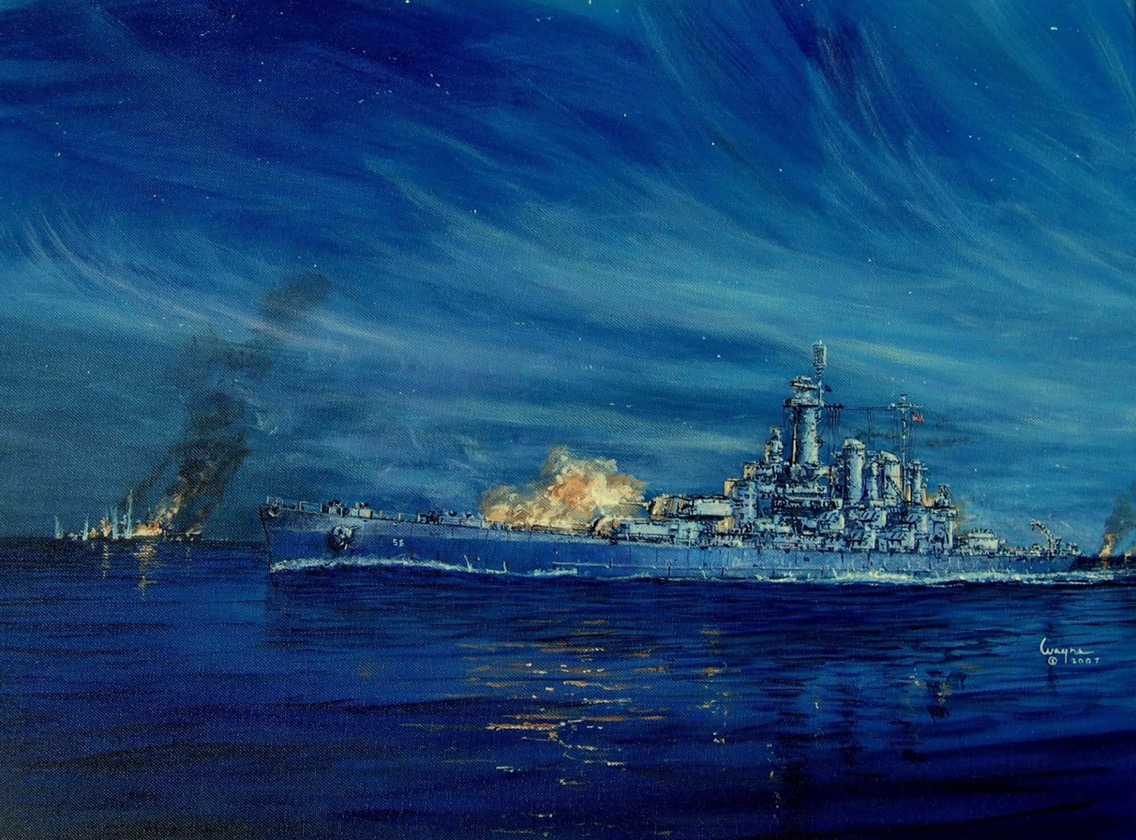
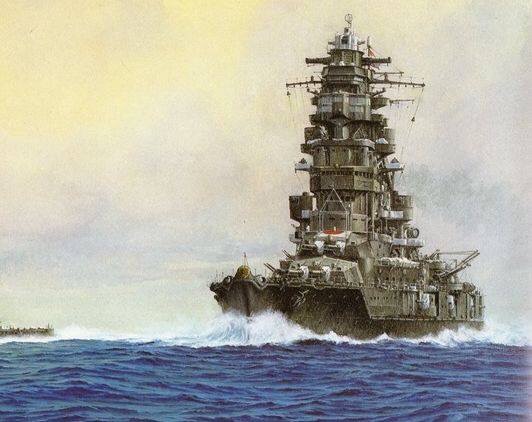
The Second Battle of Guadalcanal. Late on the 14th, early on the 15th, IJN Admiral Kondo was sent with a force of cruisers and destroyers built around the battleship Kirishima to take another shot at Henderson Field and the transports off shore.

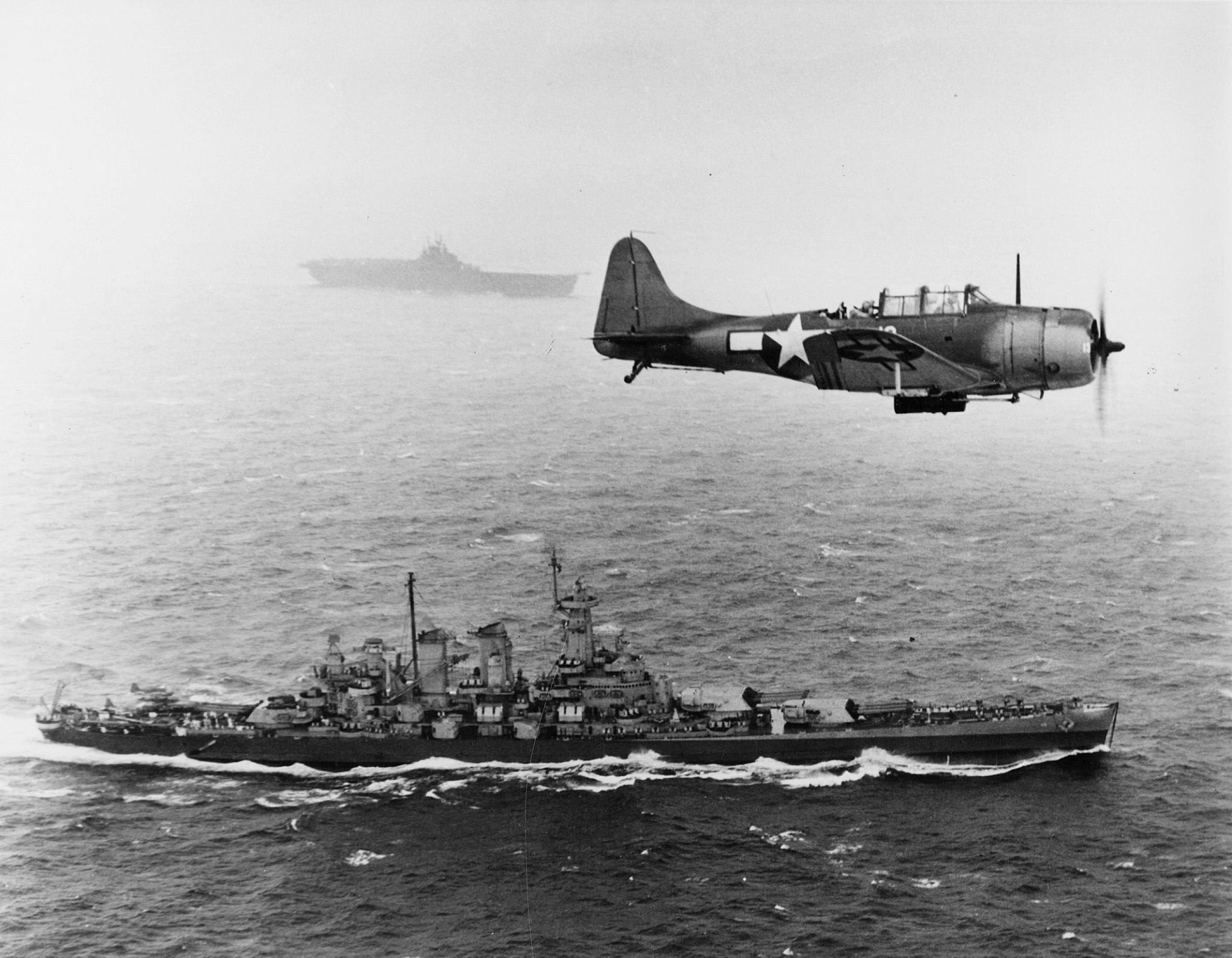
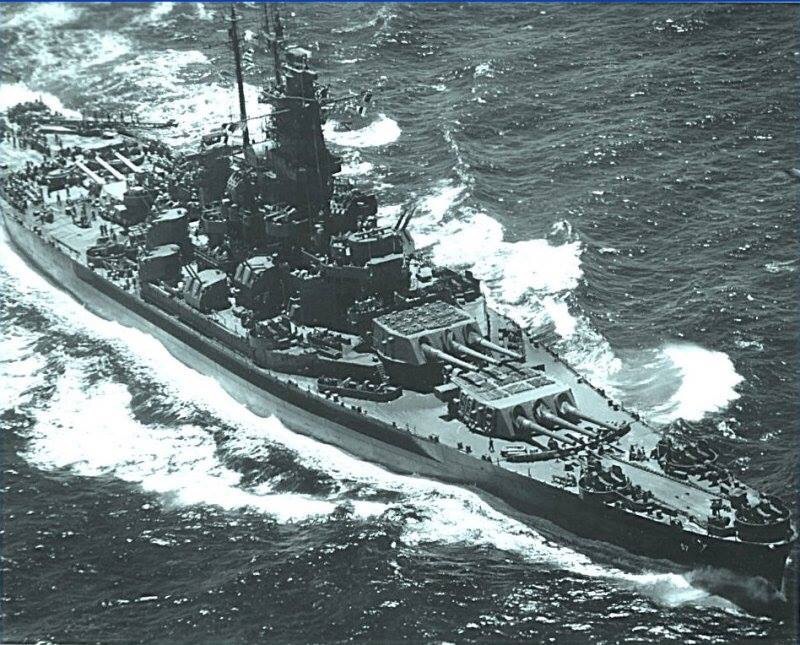
Most of the effective American combatants had been either sunk or put out of commission in the first battle, so Admiral Halsey detached a significant portion of the screening force for the USS Enterprise to protect the airfield and the transports. The Battleships USS Washington and USS South Dakota, along with the 4 destroyers with the most fuel took the job.

This US Task Force made better use of their radar and spotted the Japanese ships first. The American destroyers sacrificed themselves to fight off Japanese cruisers and destroyers; the South Dakota had nothing but trouble after losing her electrical systems. As the Kirishima and others focused on the nearly defenseless South Dakota, the Washington closed within 9,000 yards of the Kirishima and tore her apart with her main and secondary batteries.

Kondo ordered a retreat. Some IJN supply ships beached and began unloading, but when the sun came up, they were exposed to American aircraft. By the time US aircraft and an American destroyer were done with them, only about 3,000 troops were ashore…without any supplies, munitions or food…making them more of a detriment than a help.

The major significance of this battle is that it was the last time the IJN attempted an all out assault on Guadalcanal by sea; now they would only offer meager supplies with the use of the “Tokyo Express” up the “Slot”…not enough to support their armies on Guadalcanal. By December 31st the Emperor had agreed to abandon Guadalcanal to the Allies.

The most amazing thing to me is that in ’42 the Americans won or lost by scraping together a few ships to fight…at this point Enterprise was the only US Carrier in the Pacific…by this time in ’44, American combat ships were numerous and almost invincible.
Today in History, November 13: 1942 –

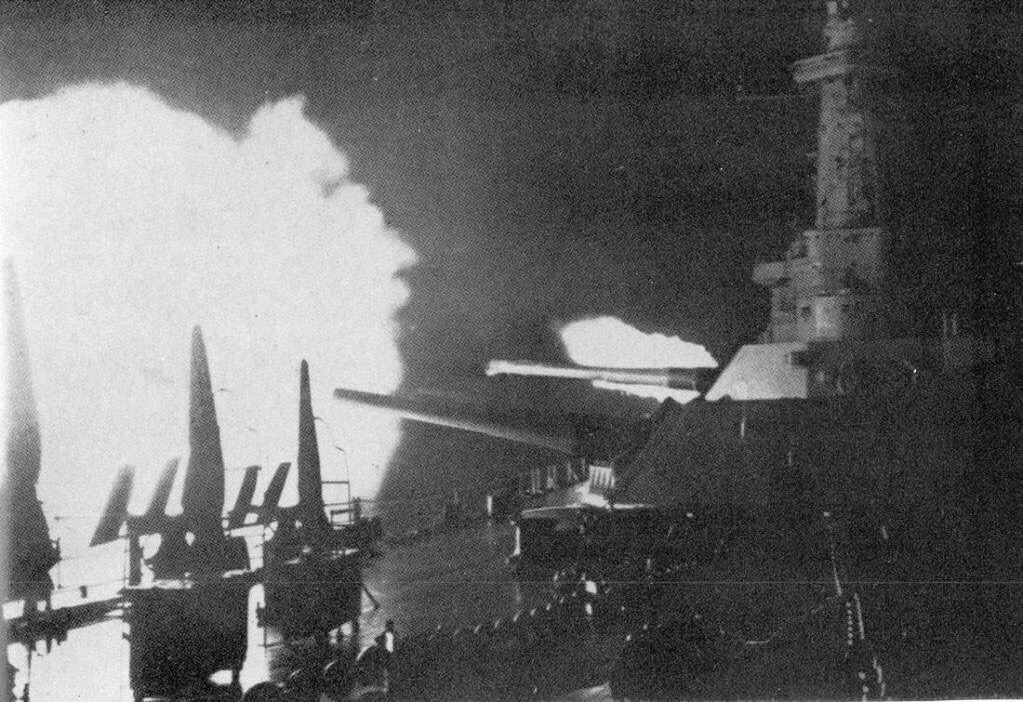
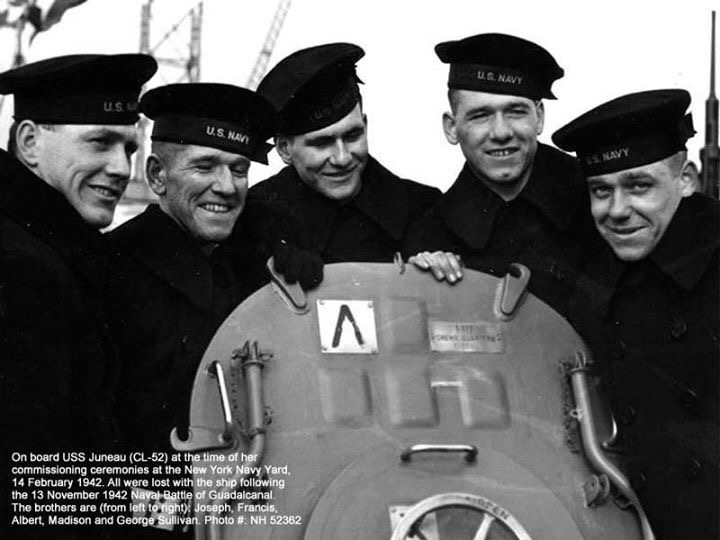
The First Naval Battle of Guadalcanal takes place in what would become known as “Ironbottom Sound” off Guadalcanal. US intelligence had warned US Navy forces that the IJN planned to bombard Henderson Field and land reinforcements on the embattled island. Admirals Callahan and Scott took their forces to interdict IJN Admiral Abe’s forces. In a fierce, confusing, intense night action the Japanese won a tactical victory by sinking more American ships, while the Americans won a strategic victory…Henderson was not bombarded and the American troop ships remained undamaged. But it came at a heavy cost for both sides. Admirals Callahan and Scott would be the only US Admirals to be killed in direct ship to ship combat in the war, and aboard the USS Juneau, the five “Fighting Sullivan” brothers would all be lost.

For the Japanese; surviving battleship Hiei, among others, would fall prey to repeated air attacks from Henderson, Espirito Santo, and the USS Enterprise when the sun came up. And this was only the beginning of the battle.

“Give me your tired, your poor, your huddled masses yearning to breathe free.”

Today in History, November 12: 1954 –

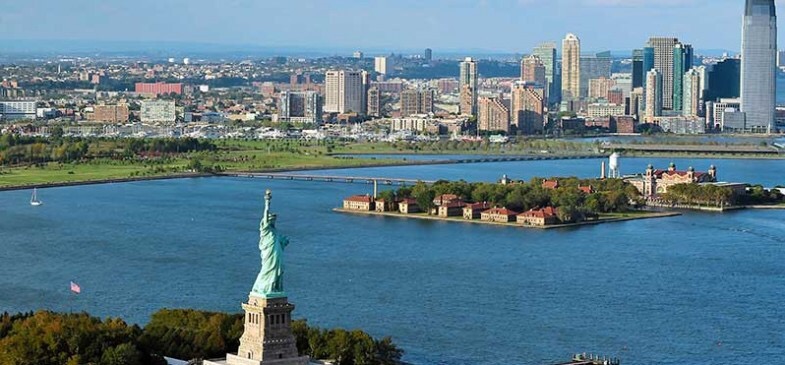
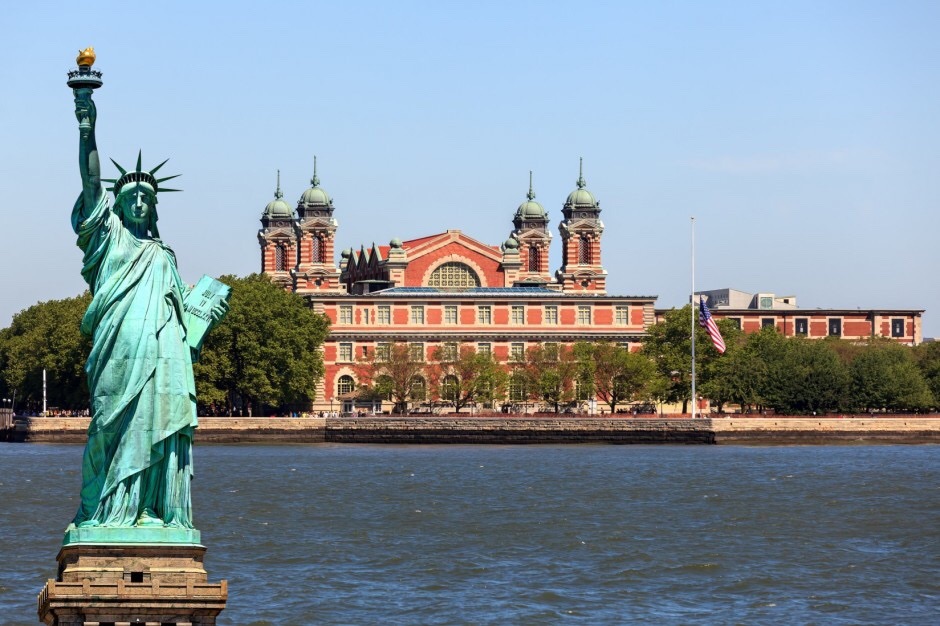
Ellis Island in New York Harbor, which had seen millions of legal immigrants processed through since it’s opening in 1892, closes for good. It had been used continuously to process immigrants, and also as a military hospital and a facility to process illegal immigrants out.

A few of those that claimed America as their home via Ellis that you may know (according to the National Park Service, which now manages the Island)…Isaac Asimov (science fiction author extraordinaire), Charles Atlas (fitness), Irving Berlin (White Christmas and much more), Frank Capra (It’s a Wonderful Life and more), Claudette Colbert (silent film actress), Max Factor (cosmetics magnate), Samuel Goldwyn (Hollywood mogul), Bob Hope (Mr. USO and decades of acting), Al Jolson (actor), Meyer Lansky (gangster), Bela Lugosi (the original scary actor), HYMAN G. RICKOVER (pioneer of our nuclear Navy), Edward G. Robinson (actor), KNUTE ROCKNE (football hero when it meant something), Igor Sikorsky (helicopter pioneer), Lee Strasberg (actor), Baron Von Trapp (The Sound of Music)….so much history. Oh, and of course….Vito Corleone….

Moments Which Changed Naval History

Today in History, November 11: 1940 – A History changing event. The British aircraft carrier HMS Illustrious launches several obsolete aircraft, “Fairey Swordfish” torpedo aircraft…flying kites, really, in an attack on the Italian Naval Base at Taranto, Italy.

The Harbor was shallow, so the Italians thought they were safe. In this, the first attack by aircraft from a carrier, the Italian navy was devastated, by what many naval officers considered a gimmick…the airplane. On the other side of the world, someone took notice of the successful attack. The Imperial Japanese Navy was encouraged in their plans against Pearl Harbor…also a shallow anchorage considered safe. Naval History was changed…tactics forever adapted by those few British pilots.

The USMC is Born


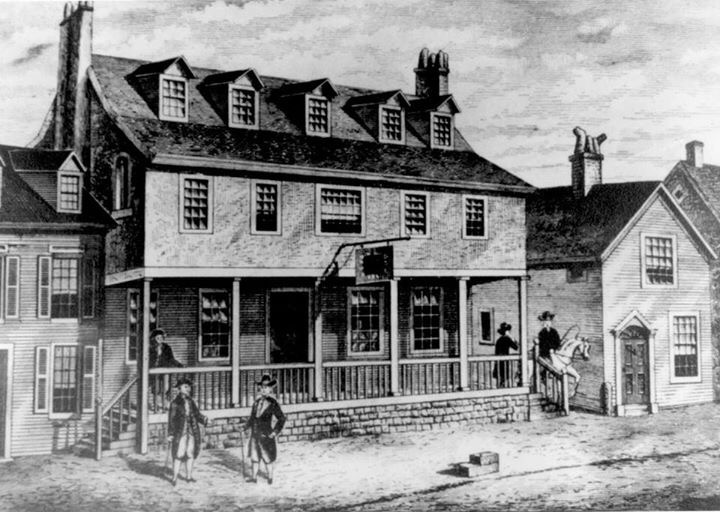
Today in History, November 10: 1775 – The First Continental Congress commissions a local innkeeper to raise two battalions of Marines to serve in the Revolutionary War. At Tun Tavern in Philadelphia the recruiting took place, and the United States Marine Corps was born. Aboard numerous US Navy ships during the Revolution, at Tripoli, during the Civil War, Belleau Wood, Iwo Jima and dozens of places in between, when the chips were down, the cry went out, “Send in the Marines!”

First Jet on Jet Combat


Today in History, November 8: 1950- 

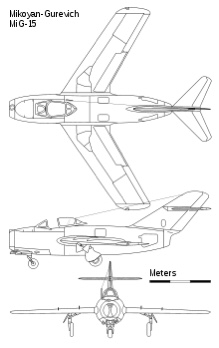
The first Jet vs Jet fighter dogfight takes place in the skies over Korea known as “Mig Alley”. USAF Lt. Russell Brown tangled with two Mig 15 fighters and shot one down in his P-80 Shooting Star. The P-80 was soon replaced with the F-86 Sabre, a far superior aircraft more comparable to the Migs. 

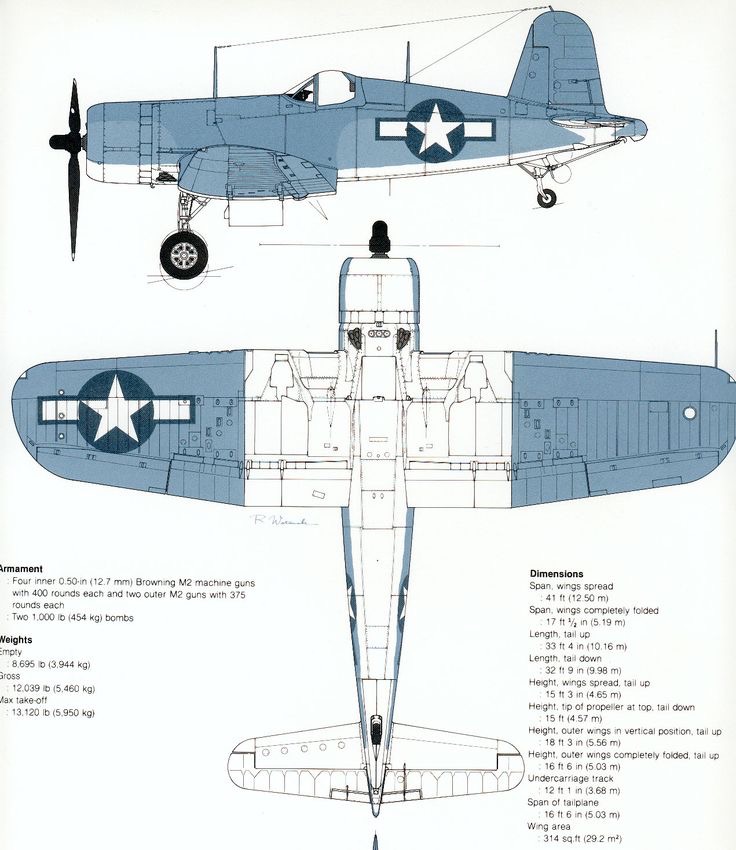
In April 1951 a Marine pilot flying a WWII era piston engine F4U Corsair fighter aircraft being used for ground attack during the Korean War, also shot down a Mig 15 jet. 

Sixty-Seven years after the first jet to jet combat over the Korean Peninsula, the Korean War, in effect, continues.  There was a “cease-fire” in July of 1953. The same maniacal family still rules North Korea…for them, the war continues. 

Senate Bombing…Not as Rare as You’d Think


Today in History, November 7: 1983 – A bombing in the US Senate. 

The Senate was expected to be in session late, but managed to finish early, around 7 PM. A few hours later a bomb which had been placed beneath a bench outside the Republican cloakroom exploded. The device blew the doors off of the office of Democrat leader Robert Byrd and nearly destroyed the painting of Senate legend Daniel Webster. 

A five year investigation led to the arrest of six members of the “resistance conspiracy” for the Senate bombing, and bombings at Ft. McNair and the historic Washington Navy Yard. 

Shocking, but not as unusual as one might think. 

In 1971 a bomb was set off in the Senate by the “weather underground”, another radical group. 

In 1915, a German Harvard University professor planted 3 sticks of dynamite in the Senate building in protest of American financiers who we assisting Great Britain in WWI.  He then attempted to assassinate JP Morgan. After being arrested, he committed suicide. 

Senate Bombing…Not as Rare as You’d Think


Today in History, November 7: 1983 – A bombing in the US Senate. 

The Senate was expected to be in session late, but managed to finish early, around 7 PM. A few hours later a bomb which had been placed beneath a bench outside the Republican cloakroom exploded. The device blew the doors off of the office of Democrat leader Robert Byrd and nearly destroyed the painting of Senate legend Daniel Webster. 

A five year investigation led to the arrest of six members of the “resistance conspiracy” for the Senate bombing, and bombings at Ft. McNair and the historic Washington Navy Yard. 

Shocking, but not as unusual as one might think. 

In 1971 a bomb was set off in the Senate by the “weather underground”, another radical group. 

In 1915, a German Harvard University professor planted 3 sticks of dynamite in the Senate building in protest of American financiers who we assisting Great Britain in WWI.  He then attempted to assassinate JP Morgan. After being arrested, he committed suicide. 

Senate Bombing…Not as Rare as You’d Think


Today in History, November 7: 1983 – A bombing in the US Senate. 

The Senate was expected to be in session late, but managed to finish early, around 7 PM. A few hours later a bomb which had been placed beneath a bench outside the Republican cloakroom exploded. The device blew the doors off of the office of Democrat leader Robert Byrd and nearly destroyed the painting of Senate legend Daniel Webster. 

A five year investigation led to the arrest of six members of the “resistance conspiracy” for the Senate bombing, and bombings at Ft. McNair and the historic Washington Navy Yard. 

Shocking, but not as unusual as one might think. 

In 1971 a bomb was set off in the Senate by the “weather underground”, another radical group. 

In 1915, a German Harvard University professor planted 3 sticks of dynamite in the Senate building in protest of American financiers who we assisting Great Britain in WWI.  He then attempted to assassinate JP Morgan. After being arrested, he committed suicide.