
Today in History, June 17: 1775 – “Don’t one of you fire until you see the whites of their eyes!” The Battle of Bunker Hill. British Gen. William Howe landed his army on the Charlestown Peninsula and attacks colonist (Patriot) positions on Breed’s Hill and Bunker Hill. Believing they were fighting farmers with pitchforks (the Patriots WERE as yet untrained and unorganized) Howe had his well trained, experienced troops charge the American positions head on, and was repelled by not so inexperienced fire (a poor farmer hunting game can’t afford to waste ammo, and becomes a very good marksman). The Brits mounted a second attack, and were again sent running back down the hill. A third wave succeeded, however, as the militia was running out of ammunition. Howe eventually won the battle, but he did so at great expense…nearly half his army lie dead on the field. The British had learned a dear lesson…they were fighting an untrained and poorly disciplined group of citizen soldiers…that were highly motivated and devoted to their cause.
Tag: today in history
Stanton Sends a Message to Lee

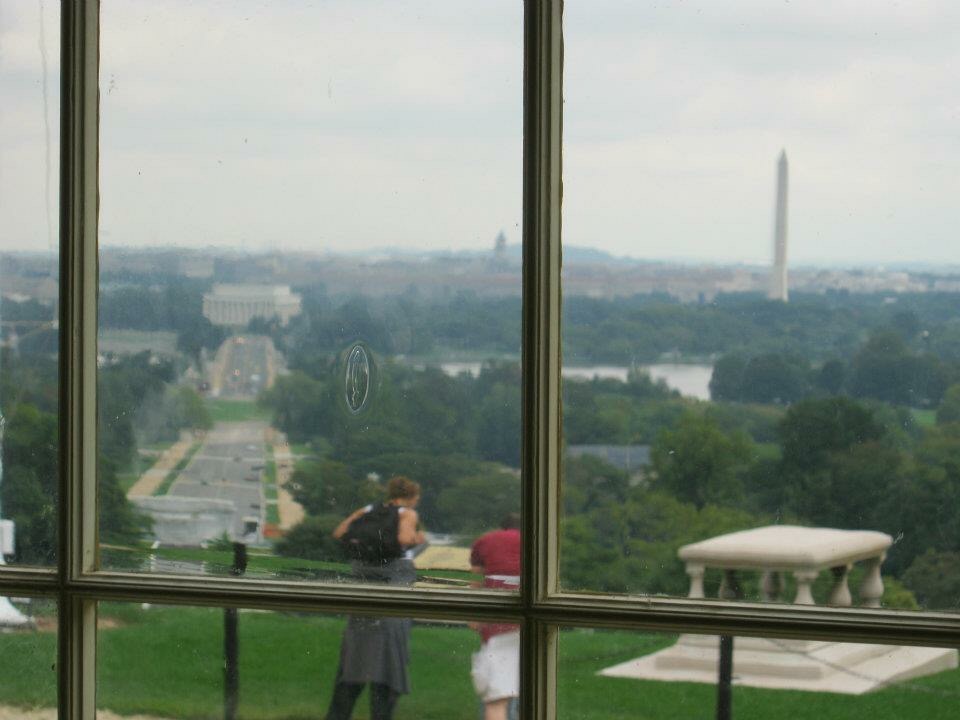
Today in History, June 15: 1864 – US Secretary of War Edwin M. Stanton sets aside the land around Arlington House, the home of Robert E. Lee, as a National Cemetery. The home had been passed down to Lee’s wife from her ancestor, Martha Custis Washington, George Washington’s wife. When the Civil War broke out, Robert E. Lee, a US Army officer, surrendered his commission and went home to his “country”, Virginia, where he became the commander of the Army of Northern Virginia for the Confederacy. When Lee’s efforts began filling up Northern cemeteries, Stanton decided to use Lee’s home to give the Union dead a place to rest, and Arlington National Cemetery was born. When you stand in Lee’s living room, you can see the White House, the Washington Monument, The Lincoln Memorial, and most of D.C. It is fascinating.
Mail Call!

Today in History, June 13: 1920 – The US Postal Service rules that parents can NO LONGER send their children parcel post. Previous regulations stated that parcels sent via US Mail could not weigh more than 50 pounds…but did not differentiate between inanimate or live parcels. So poor parents had begun sending their children through the mail…they would ride in the mail car on trains.
A Beautiful, Tragic Life Begins

Today in History, June 12: 1929 – Annelies Frank is born in Frankfurt, Germany. On this date in 1943 she would receive a diary for the birthday. Soon after, the little Jewish girl and her family would go into hiding from the Nazis, being hidden by their Gentile friends. Living in an attic, she described her experiences in her diary until the family was sold out by someone in the community and taken prisoner by the Nazis. Anne’s mother would die at Auschwitz (concentration camp). In 1945, after enduing starvation and slave labor, Anne and her sister would die in the Bergen-Belsen concentration camp of Typhus. In 1947, her father would publish her diary as “Diary of a young girl”. The heart wrenching book would be published in over 60 languages.
Ben Flies a Kite


Today in History, June 10: 1752 – Long before he was one of our Founding Fathers, Ben Franklin was a successful businessman, and due to early financial security, had the time for his passion as a scientist and inventor.
Through the 1740’s he experimented with electricity, one of his inventions being the lightning rod to protect buildings and ships, still in use today.
On this day he performed his famous experiment of flying a kite with a key attached which connected to a Leyden Jar to prove lightning conducted electicity.
William Jennings Bryan


Today in History, June 9: 1915 – William Jennings Bryan, US Secretary of State, resigns. After a German U-Boat had torpedoed a British passenger ship, the Lusitania, resulting in the deaths of 128 Americans, Bryan sent a conciliatory, almost apologetic message to the German government without President Wilson’s consent. Germany felt impowered and issued an aggressive statement, to which Wilson replied in kind, leaving little doubt that America would not tolerate the sinking of non-combatants. Germany backed off, for a time, and Bryan resigned in protest, believing Wilson was leading the nation towards war. Bryan had been an impressive orator, 3 times a candidate for president, and L. Frank Baum’s inspiration for the Cowardly Lion of the Wizard of Oz in 1900.
The Antiquities Act



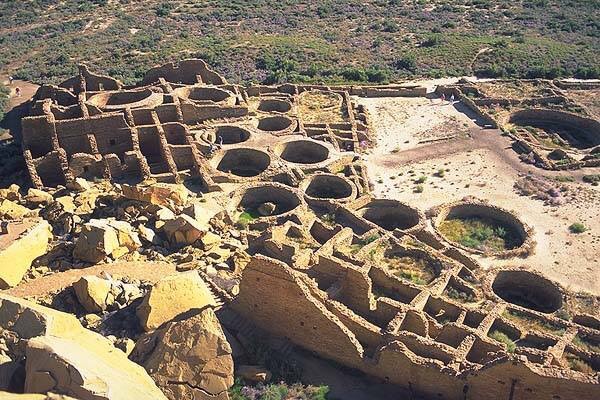
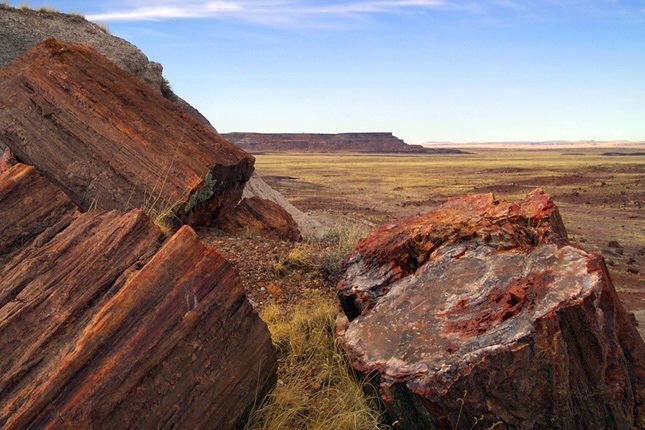
Today in History, June 8: 1906 – The Antiquities Act of 1906 is signed into law by President Theodore Roosevelt after being passed by Congress. In the preceding years historic sites had been discovered in the west, and of course, they were soon raided by thieves, vandals and historians from other countries. The Act was designed to protect these places as National Monuments, preserve them for future generations, to be named either by the President or Congress. Roosevelt, a historian, quickly took advantage of the new power, naming 18 Monuments before his Presidency ended, including (first) Devil’s Tower, Muir Woods, The Grand Canyon, Chaco Canyon and the Petrified Forest. The Act has become more controversial in the years since FDR named The Grand Teton National Monument (near Jackson Hole, Wyoming) in 1943. In recent years the subject has become even more volatile as some Westerners believe their land rights are being encroached upon. The current administration is revisiting several sites, raising alarm amongst defenders of National Parks and Monuments.
The Far West – Once Meant What Would Become Kentucky

Today in History, June 7: 1769 – “Boone Day”. Pioneer Daniel Boone braves the Cumberland Gap, ignoring a British order against westward expansion, to find Kentucky on this date in 1769. Boone would later write, “Not a breeze shook the most tremulous leaf. I had gained the summit of a commanding ridge, and, looking round with astonishing delight, beheld the ample plains, the beauteous tracts below.” He would continue his adventures, settling Boonesborough, Kentucky, becoming a Colonel in the Militia during the Revolutionary War, fighting the British and their allies. He eventually followed his exploring spirit to Missouri, where he died in 1820.
Let’s Go To The Drive-In!
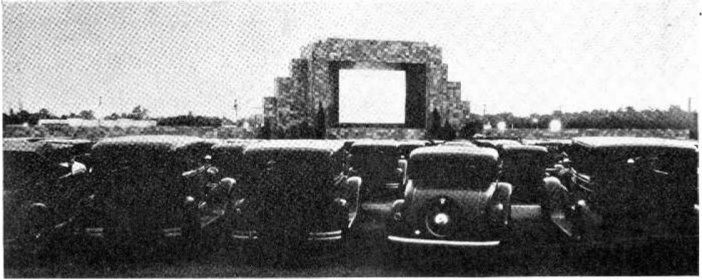
Today in History, June 6: 1933 – The First Drive-in Theater opens in Camden, New Jersey. The automobile had become primary in American transportation after Ford initiated mass production. With the birth of the drive-in theater, families could watch movies without concern for noisy children in the comfort of their automobiles.
By the fifties and sixties there were over 4,000 drive-in theaters in the United States. In the seventies with cable TV and the oil crisis, drive-ins began to close. Then in the 2000’s they began to experience a resurgence.
Do you remember summer nights sitting on your hood, or relaxing in the seats of your car, watching the latest movies? The kids running about, playing on playground equipment under the screen, snacking on popcorn from the snack shack? Or perhaps some other activities we won’t talk about?
Literature Starts a Fire

Today in History, June 5: 1851 – “Uncle Tom’s Cabin”, or “Life Among the Lonely”, by Harriett Beecher Stowe is first published in an abolitionist weekly magazine. The story brought the life of a slave to the masses when a publisher picked it up and printed it in book form, making it an international sensation. The book set afire the slavery / anti-slavery camps in the nation. In 1862, when President Lincoln played host to Ms. Stowe in the White House, he is reported to have greeted her with, “So this is the little lady who made this big war?”. In book form, Uncle Tom’s Cabin would be the number one bestseller of the 19th century, except of course for the Bible.
 Mark Loves History!