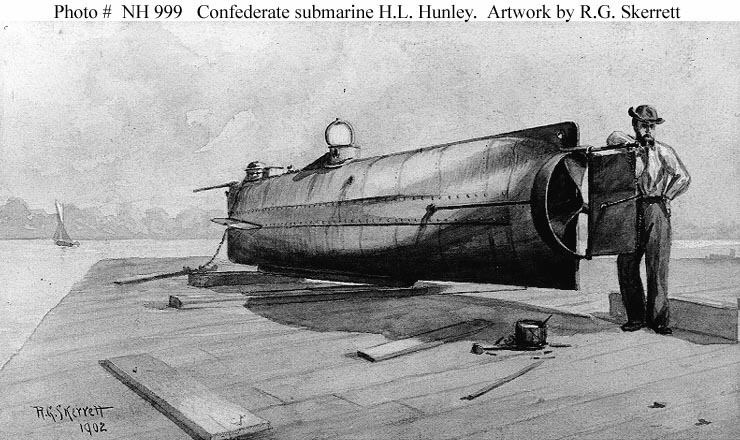
The CSS Hunley Sinks – For the Second Time


Today in History, October 15: 1863 – 

The first successful (after a fashion) submarine, the CSS Hunley, sinks in Charleston Harbor. It was the second time the sub had sunk. Earlier it had gone down in Mobile Bay, killing two of it’s crew. 

 It was salvaged and transported to Charleston by train, to be used in an attempt to break the Union blockade of that port. The sub’s creator, Horace Hunley, took her out for a test run with a new crew. In front of onlookers, the sub slipped beneath the waves, and never surfaced. Hunley and 7 crewmembers died. 

Nonetheless, the sub was once again salvaged and yet another crew took her out in February of 1864. They placed a torpedo (mine) against the USS Housatonic and backed away; the explosive sank the Union ship. But the Hunley never made it back to port, sinking for the final time, taking another crew with her. She was raised in 2000.
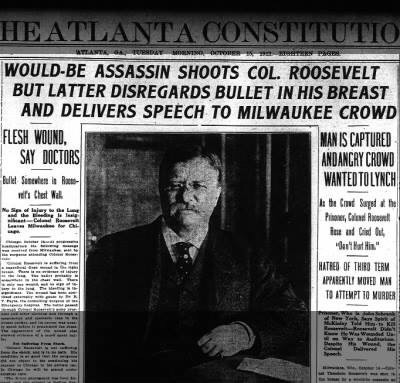
“It Takes More Than That to Kill a Bull Moose”


Today in History, October 14: 1912 –

 “Ladies and gentlemen, I don’t know whether you fully understand that I have just been shot; but it takes more than that to kill a Bull Moose.” 

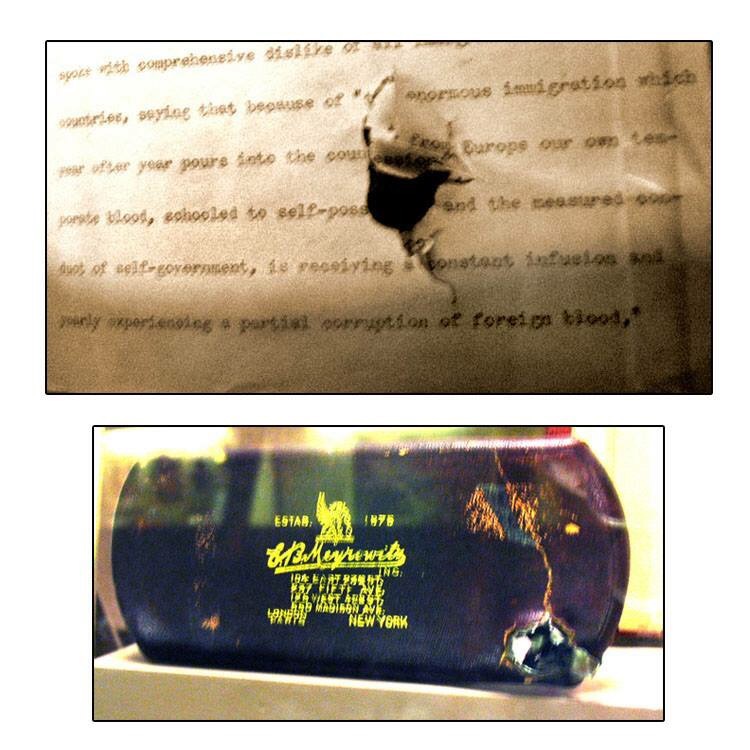
 As he is leaving his hotel in Milwaukee to give a campaign speech, former President Theodore Roosevelt is shot point blank by a would-be assassin. The bullet went through TR’s glasses case, the 50 page speech he had in his jacket, and penetrated his chest. 

 An experienced hunter, Teddy decided that since he wasn’t coughing up blood, he wasn’t in immediate danger, as he reasoned, because the bullet hadn’t penetrated his lungs. 

 He continued on and spoke for over an hour, blood still seeping from his chest wound. Afterwards he finally went to the hospital. The incident not only gave evidence of his strength and resolve, but gave a name to the party he was representing.


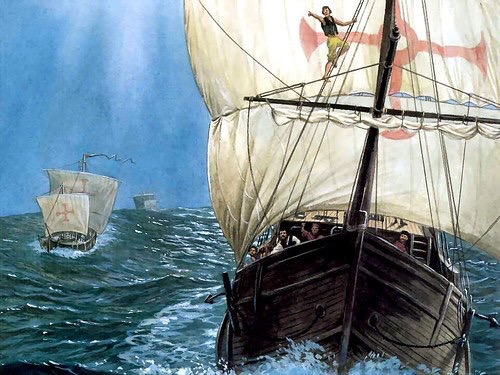
Today in History, October 12: 1492 – Three ships, the Nina, Pinta, and Santa Maria, commanded by Christopher Columbus, discover the New World. Columbus went ashore on one of the Bahama Islands and claimed it for his sponsors, King Ferdinand and Queen Isabella of Spain. He continued on to find Cuba and Hispaniola in the days ahead, which he thought were Cathay (China) and Japan respectively. The expedition believed they had accomplished their mission of finding a western trade route to the far east. He would bring back riches to Spain that would set off a competition for new lands in the New World by the major powers of Europe.

Millions would die in the years to come due to disease brought on by the meshing of multiple cultures who had no immunity to each other. Also due to the Europeans using the indigenous peoples as slave labor. 

Should we honor Columbus and his contemporaries as heroes?  Or demonize them for their abuses?  It is possible to recognize both. History is what it is and should be studied that way. 

Columbus, the Vikings, Hudson, Magellen, etc, etc. The Americas were going to be discovered and settled by what were then foreigners. 

The atrocities which occurred did not have to have occurred. Columbus statues should not be removed…they are history. Instead, lets also recognize people who have previously been forgotten to history whose stories are just as important. 

Always Be Prepared to Walk Away


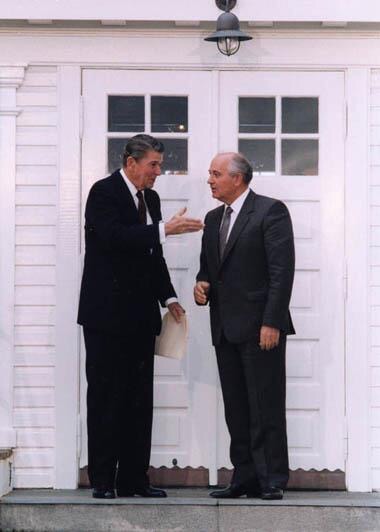
Today in History, October 11: 1986 – President Reagan meets for the second time with Soviet leader Mikhail Gorbachev at Reykjavik, Iceland to discuss limitations on nuclear missiles. The Russian attempted to add “SDI” or the Strategic Defense Initiative, or “Star Wars” to the discussion. SDI was a planned space based missile shield that would make America impervious to nuclear missile attack. Reagan, knowing the supposed defense system gave the US an incredible strength in the negotiations, refused. While they came away from Iceland empty handed, Reagan’s poker face worked. The next year in DC the two leaders came to an agreement on missile reduction. The USSR was on it’s way out.

WAVES…Born at OSU


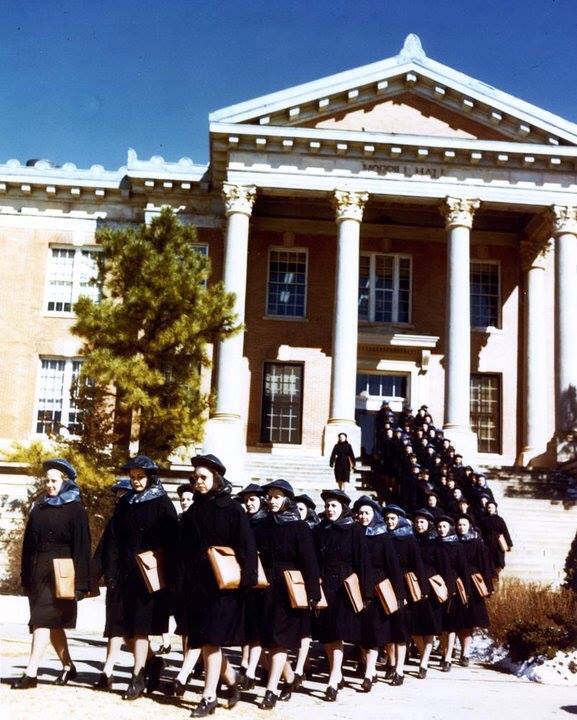
Today in History, October 9: 1942 – The Navy’s first WAVES (Women Accepted for Volunteer Emergency Service) begin school in Stillwater, Oklahoma. That should make us proud.

Morrill Hall at Oklahoma State University was the birthplace of the WAVES program. It may seem trite today, but in it’s time it was a leap forward for women’s placement in the workplace. 

Objector to Hero

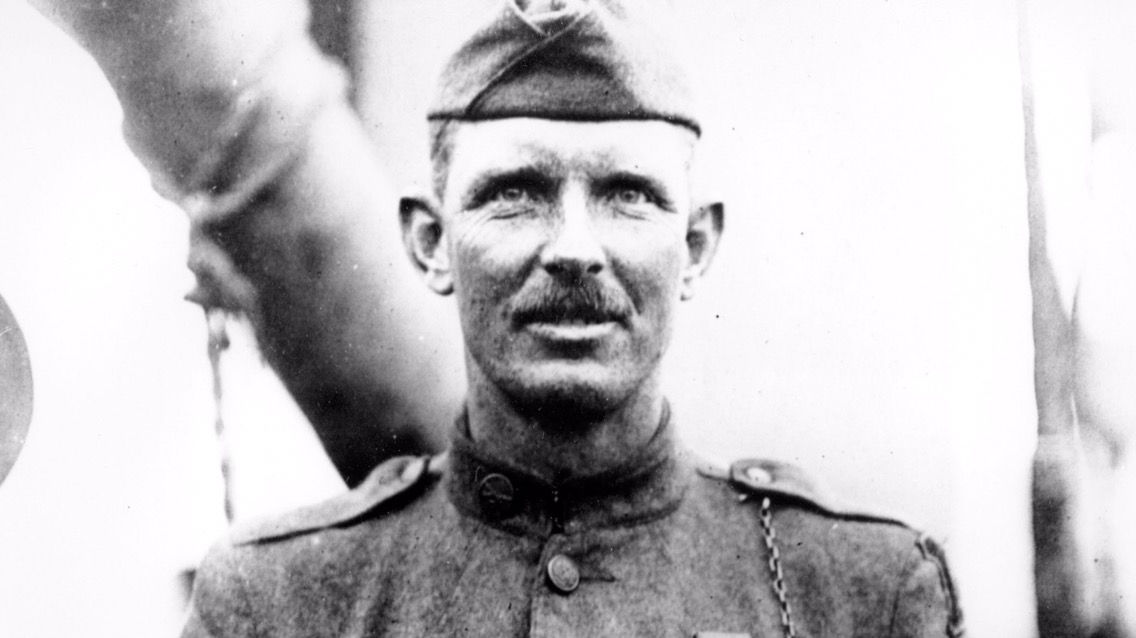
Today in History, October 8: 1918 – During the WWI battle of Argonne in France, a squad of American soldiers is pinned down by a German machine gun nest. Nine of the American soldiers had been cut down. The squad’s leader, Cpl. Alvin York, took action.

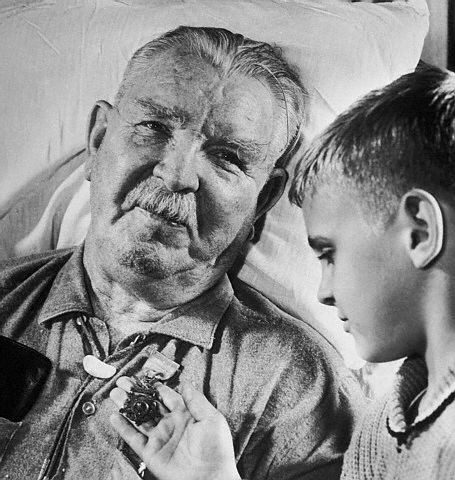
Born in a log cabin near the Kentucky/Tennessee border, York had been drafted into the Army and filed for conscientious objector status, but was denied. He had been a hunter back home in the hills. On that day in the Argonne, he stood his ground and used his uncanny marksmanship; each time a German soldier showed himself to sight in on the Americans, he was quickly killed by York’s deadly aim. After at least 20 Germans had been killed, their commander thought he must have miss judged the size of the American force and surrendered his remaining 90 troops. On their way back to friendly lines, the squad of now less than a dozen Americans took on more prisoners, returning with 132. York was promoted to Sergeant and the next year presented with the Medal of Honor. 

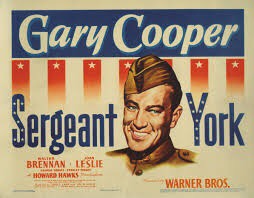
Years later, as WWII was beginning, American sailors aboard the Enterprise were watching the movie “Sergeant York” on the hangar deck as they sailed unknowingly into war. 

As the last photo shows…no matter our importance in our youth, we all get old. But what we chose to do in our youth remains. 

King’s Mountain 


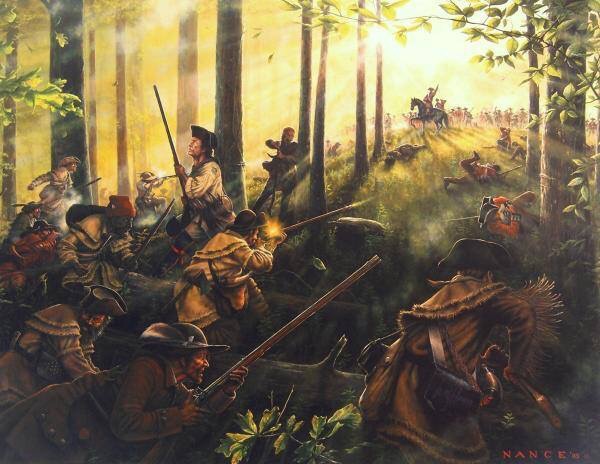
Today in History, October 7: 1780 – The Battle of King’s Mountain. During the American Revolutionary War, the British, along with “loyalist” militia, had been seeing success, including at the Battle of Waxhaws in May, where Col. Banastre Tarleton’s troops had massacred defeated “rebel” troops. At King’s Mountain, South Carolina a contingent of loyalist troops led by British regulars were caught by rebel (loyalist to us) militia made up of mountain men (including Davy Crockett’s father). In a pitched 65 minute battle, the Americans made repeated advances up the mountain, finally cornering their prey. When the loyalists attempted to surrender, the furious patriots shouted “Give ’em Banastre’s Quarter!!!” and continued firing until their Colonels were finally able to regain control of them. The biggest reason for the Patriot success? Tactics. They used cover and concealment in their attacks…common sense to us, but not in the days when soldiers were lined up and advanced in the open.

You Only Fail if You Quit


Today in History, October 6: 1723 – A 17-year-old runaway arrives on the streets of Philadelphia, a fugitive for having fled an apprenticeship in Boston. After trying his hand at his apprenticeship vocation of printing, he accepted an offer to travel to London to get the equipment for a new printing shop to open in Philly. This failed, but after 4 years of adventure in England, young Benjamin Franklin returned to Philadelphia and began his career as a printer, statesman, scientist and activist for freedom. Franklin is the epitome of the theory that you only fail if you quit.

“Militia” As the Founders Saw it…Coffeyville


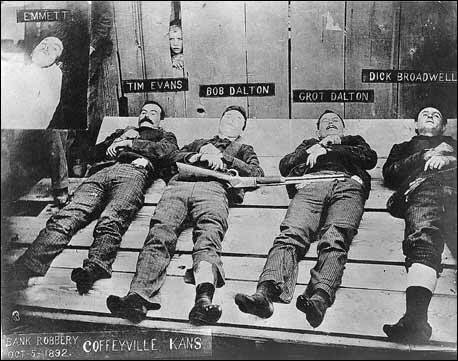
Today in History, October 5: 1892 – In Coffeyville, Kansas, four citizen give their lives in the successful effort to prevent the infamous Dalton gang from robbing two of the town’s banks at the same time. The Daltons made the mistake of attempting to rob a town where they were well known, and were recognized. As they entered the banks, the word was spreading and citizens were arming themselves. As they attempted to flee, they were gunned down, only Emmett Dalton surviving. Coffeyville citizens George Cubine, Charles Brown, Lucius Baldwin, and town Marshal Charles T. Connelly died in the gunfight.

Remington!


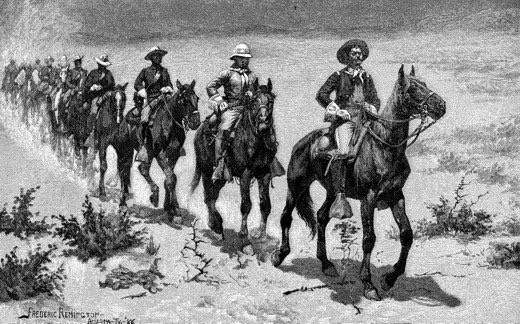
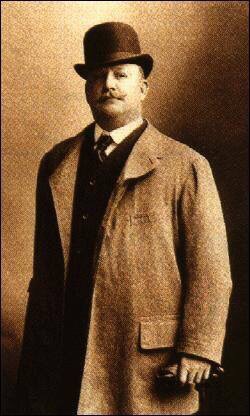
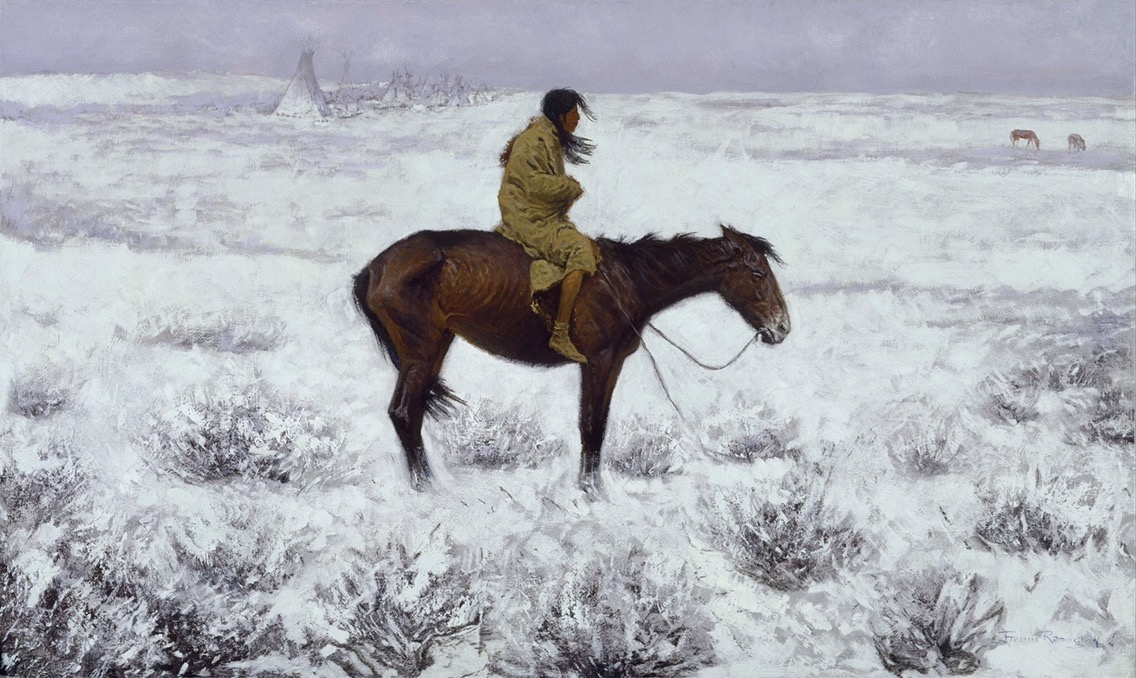
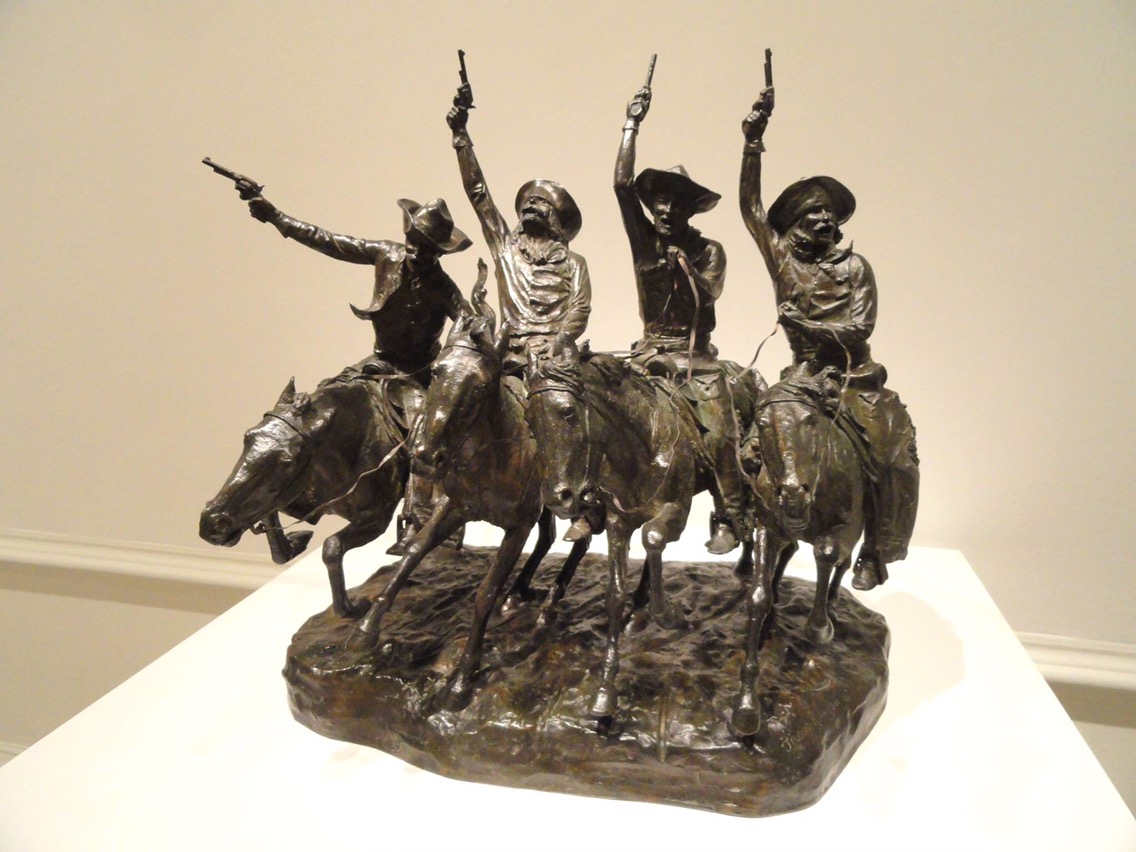
Today in History, October 4: 1861 – Frederic Remington is born in New York. As an adult Remington toured the west, which he was fascinated with. He was a prolific artist, creating thousands of sketches, paintings and sculptures for public consumption. His work was not necessarily considered collectible during his all too short lifetime, but it certainly is now. The Gilcrease Museum here in Tulsa has one of the largest collections of his work. Remington died of a ruptured appendix suddenly in 1909. His artistic talent coupled with his passion for the West brought it home for the American people.