

Today in History, August 5: 1864 – “Damn the Torpedoes! Full Speed Ahead!” New Orleans had been captured from the Confederacy in 1862, leaving Mobile Bay as the only source of foreign supplies for the South, via blockade runners (like the fictional Rhett Butler). On this date the Union Navy sent a fleet of ships led by ironclads into Mobile Bay, fighting a squadron of Confederate Ships and two “batteries” or forts with cannon, and a withering fire that almost immediately sank the USS Tecumseh, an ironclad. The Union fleet began to scatter, until the US Navy’s first Rear Admiral, David Glasgow Farragut inspired them on to victory with his now historic courageous command. By the way, “torpedoes” in 1864 were not propelled explosives as we know of them today, but what we know as mines. This would not be the only battle that would lead to Farragut’s lasting legacy with the US Navy.
Tag: union
The Right Man for the Job
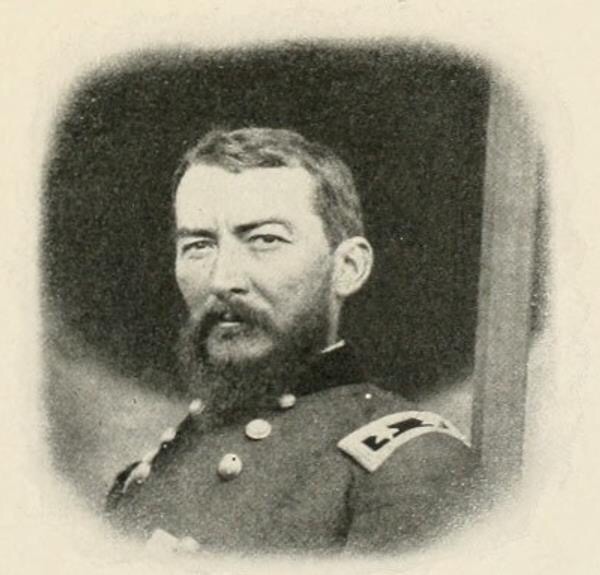
Today in History, August 1: 1864 – Over the objections of Secretary of War Edwin M. Stanton, who thought he was too young for the command of an army, Gen. Ulysses S. Grant names Gen. Phillip Sheridan as commander of the Army of the Shenandoah. Throughout the war, each time the Union began to encroach on the Confederate capitol at Richmond, Virginia, the South would send an army through the Shenandoah Valley to threaten Washington, DC, forcing the Union to protect it’s own capitol. Grant didn’t fall for this, however as he lay siege to Petersburg, which protected Richmond. The Confederacy sent Gen. Jubal Early through the Valley to threaten DC. The Shenandoah was not only the route north for the Confederate armies, it was the “bread basket” for the south, much as the midwest is for the country now. Grant sent Sheridan to command a new Valley of the Shenandoah, and ordered him, “The people should be informed that so long as an army can subsist among them recurrences of these raids must be expected, and we are determined to stop them at all hazards. … Give the enemy no rest … Do all the damage to railroads and crops you can. Carry off stock of all descriptions, and negroes, so as to prevent further planting. If the war is to last another year, we want the Shenandoah Valley to remain a barren waste.” The Confederates called Sheridan’s campaign “The Burning”, precursor to the scorched earth campaign that Sherman enforced in Georgia. Sheridan not only drove Early from the valley, but lay waste to all resources in the Shenandoah, depriving the South of the much needed resources. Lincoln, Stanton, and Grant sang his praises, as did the nation.
Life, Liberty and the Pursuit of Happiness. A Date Full of Historic Significance!





Today in History, July 4: This is my favorite day of the year to post, not only because it is America’s birthday, but because the date is so rich in American History.
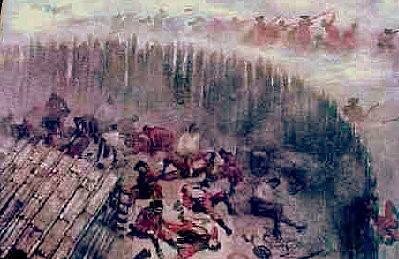
1754 – During the French and Indian Wars, a young colonial member of the British Army abandons “Fort Necessity” after surrendering it to the French the day before. The officer, 22-year-old Lt. George Washington had also commanded British forces in the first battle of the war on the American continent weeks before. The French and Indian Wars were only part of a global conflict between England and France, the Seven Years War. His experience here would serve Washington well in our War for Independence.
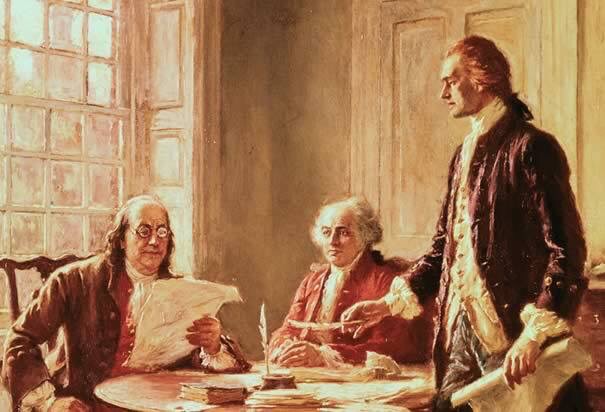
1776 – The second Continental Congress adopts the Declaration of Independence from England after years of conflict as colonists, “We hold these truths to be self-evident, that all men are created equal, that they are endowed by their Creator with certain unalienable Rights, that among these are Life, Liberty and the pursuit of Happiness.”
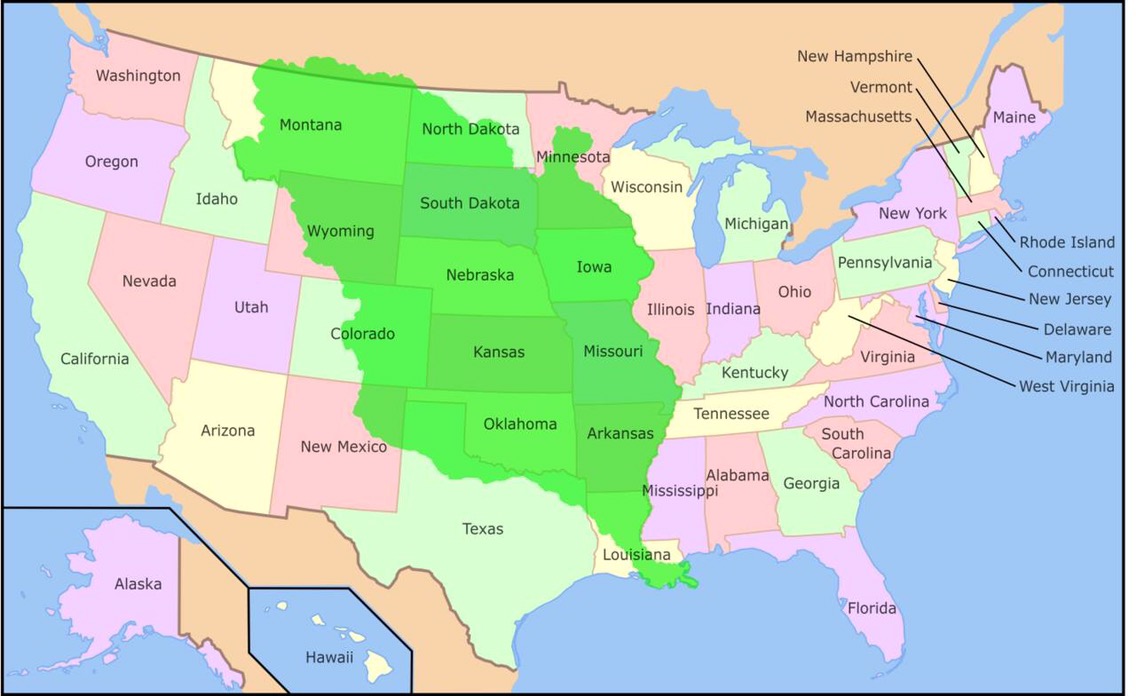
1803 – President Thomas Jefferson announces the signing of a treaty in Paris formalizing the Louisiana Purchase, effectively doubling the size of the United States in one day for $15M.
1826 – 50 years after the adoption of the Declaration of Independence, two of it’s signers, second President John Adams and third President Thomas Jefferson, die on the same day. The two had become bitter political enemies for years (Adams a devout Federalist, Jefferson an equally devout state’s rights man, in addition to vicious political vitriol the two had exchanged). But in 1812 they made amends and began a years’ long correspondence, making them good friends again. It is said that Adams’ last words were, “Jefferson survives”. He was wrong, Jefferson had died five hours before. Many Americans at the time saw their death on the same day 50 years after the Nation’s birth as a divine sign.
1863 – Confederate General John C. Pemberton surrenders Vicksburg, Mississippi to Union General Ulysses S. Grant. Pemberton had sent a note asking for terms on the 3rd, and initially Grant gave his usual “unconditional surrender” response. He then thought about what he would do with 30,000 starving Southern troops, who he had lay siege to since May 18th, and granted them parole, accepting the surrender on the 4th. The capture of Vicksburg effectively secured the main artery of commerce for the Union and cut off of the Confederate states west of the Mississippi (and their supplies) from the South. Grant’s parole of the rebels would come back to haunt him, as the Confederacy did not recognize it’s terms and many of the parolees fought again…which came back to haunt the Confederacy because as a result the Union stopped trading prisoners. Celebrated as a great victory by the North, but by Vicksburg not so much. The Citizens of the Southern city had to take to living in caves during the siege as US Navy and Army continuously bombarded their homes. Starving and desperate, they saw Grant’s waiting a day to accept surrender as malicious. Independence Day would not be officially celebrated in Vicksburg for a generation.
1863 – On the same day, half a continent away, Confederate General Robert E. Lee led his defeated Army of Northern Virginia south away from the Battle of Gettysburg, Pennsylvania. This was no small matter…”Bobby Lee” had been out-foxing and out-maneuvering multiple Union Generals practically since the war began. No official surrender here…Lee’s army would survive to fight another day. While both battles were turning points, they did not spell the end of the South as many believe. There were years of hard, bitter fighting still to come with ghastly losses in life and injury. Gettysburg was, however, the last serious attempt by the South to invade the North.
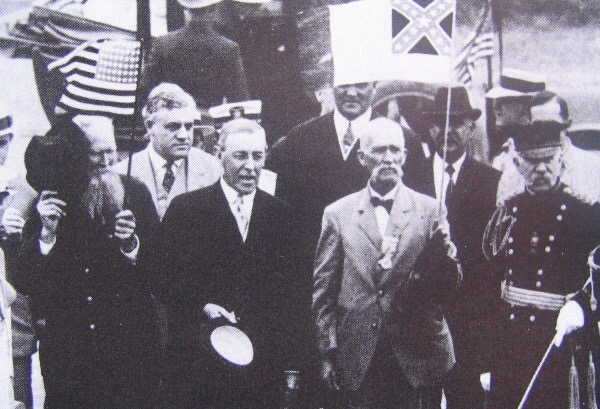
1913 – President Woodrow Wilson addresses the Great 50 Year Reunion of Gettysburg, attended by thousands of Veterans from both sides, who swapped stories, dined together…and it would seem, forgave for a time.
1939 – “I consider myself the luckiest man on the face of the Earth”. After 17 years as a beloved member of Major League Baseball, New York Yankee Lou Gehrig stands in Yankee Stadium and says goodbye to his fans, having been diagnosed with a terminal disease that now bears his name. I doubt there was a dry eye in the house. I’ve posted the video below.
God Bless America! And thank you to our service men and women that continue to make our freedoms possible.
“Sleep in Peace, Comrades Dear…”
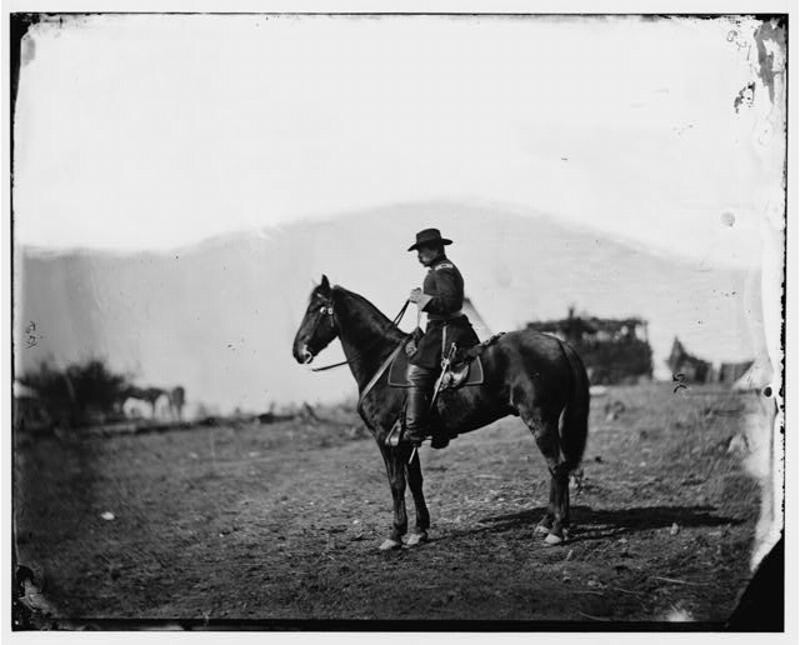
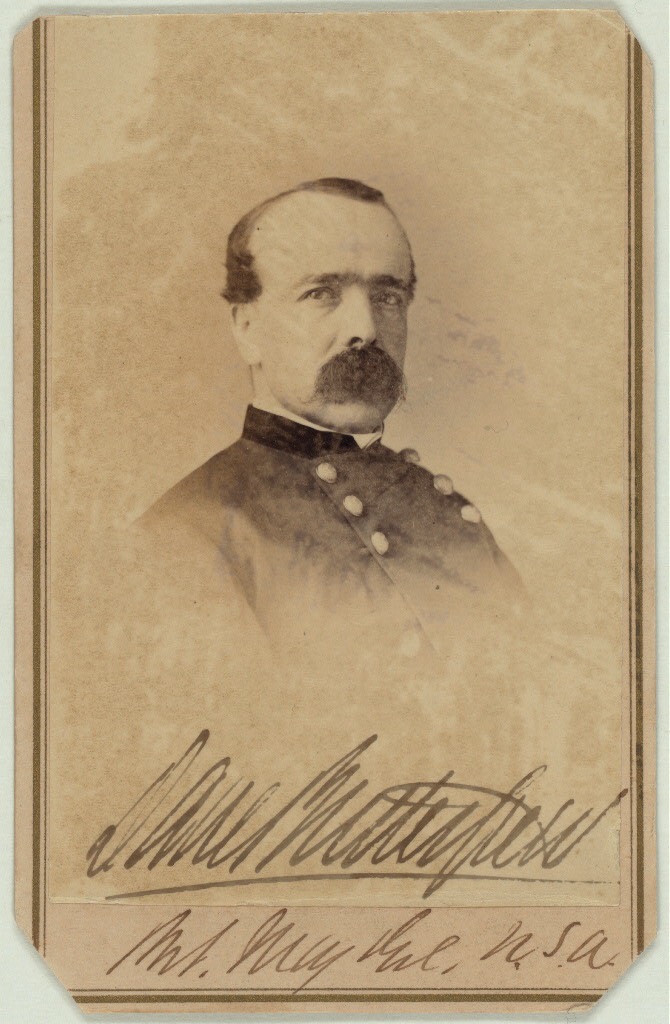


Today in History, July 2: 1862 – Union Colonel Daniel Butterfield (breveted to Brigadier General), unhappy with the signal being given for “Lights Out” for his brigade, pens a new one which he gave to the brigade bugler. Sounded for the first time that night in its new form, what would be known as “Taps” was quickly taken up by other brigades, North and South because of its haunting 24 notes.
There are many versions of wording for Taps, but these are the most meaningful to me:
- Fading light,
- Falling night,
- Trumpet calls as the sun sinks from sight,
- Sleep in peace, comrades dear,
- God is near…
The tune now is much more than “Lights Out”, serving as a final honor at the services for servicemen and servicewomen, and police officers.
A Day of Battles

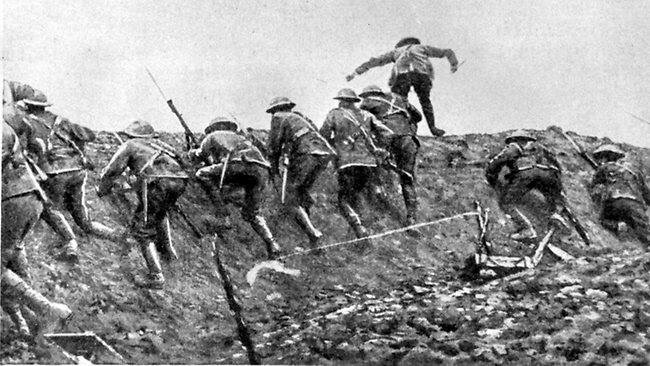

Today in History, July 1: A day for important battles.
1863 – The Union and the Confederates first clash at The Battle of Gettysburg, and both send reinforcements. The first day went badly for the Union, but the largest battle in North America had three more days to go, and would become a major turning point in the Civil War.
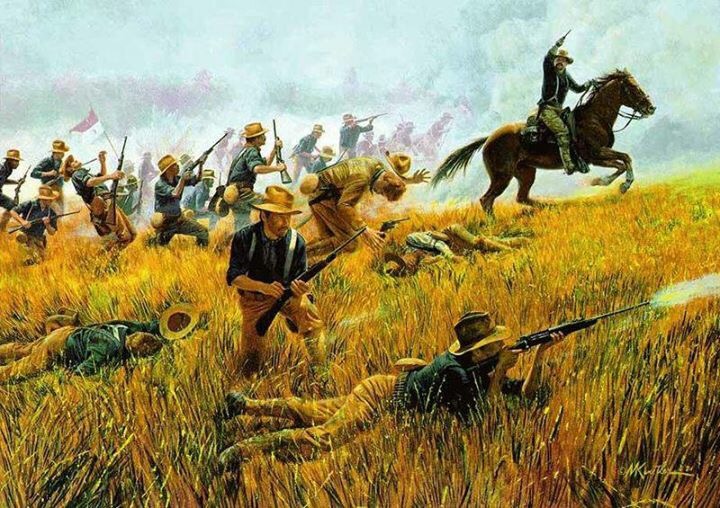
1898 – The Battle of San Juan Hill becomes a major victory for the US in the Spanish-American War as the US Army’s Fifth Corps takes the heights over Santiago de Cuba. It also set the stage for Colonel Theodore Roosevelt to become President as he became famous for leading his Rough Riders up Kettle Hill (not San Juan).
1916 – The Battle of the Somme in France; after a week’s bombardment with over 250,000 shells, the British launch an attack into no-man’s land. The Germans had retained many machine guns despite the bombardment, and the British soldiers were slaughtered. With 20,000 dead and 40,000 wounded in one day, it was one of the worst defeats for the British military’s history.
1942 – The Battle of El Alamein; In North Africa Erwin Rommel’s army had routed the British and their allies, driving them back so quickly that they had to leave much of their equipment behind. But on today’s date the British Army, resupplied by Americans and reorganized, turned the tide back on Rommel at El Alamein.
Union Soldiers Burn the White House


Today in History, June 28: 1862 – Union soldiers inadvertently burn the White House. No, not that White House. In fact, the Executive Mansion which housed the President wasn’t known by that name until 1902 when President Theodore Roosevelt renamed it.
Another difference between these “White Houses”, is that George Washington never resided in the Presidential Mansion along the Potomac. His successor, John Adams was the first President to live there. But he courted and married the widow Martha Custis at and near the White House on the Pamunkey River.
One of General Washington’s officers was Henry “Light Horse Harry” Lee. His son, Robert E. Lee, would marry Martha Custis-Washington’s granddaughter, Mary. Together they would live in Arlington House, overlooking the Potomac…and the Executive Mansion. When the Civil War began, Robert E. Lee chose to support “his country”, Virginia; which also meant the Confederacy. As a result he and his family had to leave Arlington House and move to one of their more southern Virginia properties…the White House on the Pamunkey.
As the Union dead mounted, Union Secretary of War Edwin Stanton ordered the area around Arlington House to be used as a cemetery so that Lee could never again live there. Today it is Arlington National Cemetery.
In 1862 during the Seven Day’s Battles, Union forces pushed the Confederates back past Lee’s family’s new home at White House Landing, using it as a major supply base.
Before she fled further south from yet another home, Mary Lee left a message on the door of the residence, “Northern soldiers, who profess to reverence Washington, forbear to desecrate the house of his first married life, the property of his wife, now owned by her descendants.” Union soldiers agreed. General George McClellan ordered a guard to posted around the house to prevent looting or vandalism.
McClellan took a lot of heat from the press and DC for the protection of General Washington’s one-time home. It should be used as a hospital for Union soldiers! Even though it had but six rooms.
As was frequent in the Civil War, the lines moved back north after moving south. And on this date in 1862 Confederates took White House Landing back. As the Union Army fled, McClellan ordered all supplies and outbuildings burned to prevent their use by the Confederates…with the exception of the White House, it was to be spared.
As often happens in war, orders from the top rarely get carried out to the letter. The White House was burned to the ground.
Brothers…Before and After
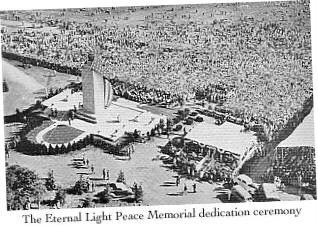

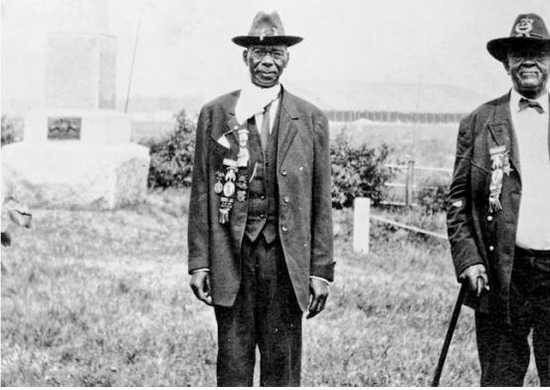


Today in History, June 25: 1913 – “We have found one another again as brothers and comrades in arms, enemies no longer, generous friends rather, our battles long past, the quarrel forgotten—except that we shall not forget the splendid valor.” –President Woodrow Wilson. The Great Civil War Reunion at Gettysburg, Pennsylvania. Nearly half a century after the end of the Civil War, aged men and women who had been sworn enemies, who had lost loved ones on both sides of the great conflict, began to gather at Gettysburg for a reunion to honor those they had lost…and each other. Men missing limbs commiserated with each other, slapped backs, shared stories, joined together as brothers…Union, Confederate, White, Black, recognized that the War was history and they were comrades again. If men and women that were so committed to killing each other could do this….can’t we?
Appomattox Courthouse; The Beginning of the End


Today in History, April 9: 1865 – One of the most momentous events in American history. After years of foiling every move the Union made, Confederate Gen. Robert E. Lee had finally been run to ground. Countless Yankee Generals had been bested by him, but he had finally met his match…not tactically, but in determination, by Lt. Gen. Ulysses S. Grant. At Appomattox Courthouse, Virginia, Lee, his army starving and with nowhere else to run, in spite of the fact that he would “rather die a thousand deaths”, agreed to surrender the Army of Northern Virginia to Grant. Lee arrived in his best uniform; Grant, typically, arrived in a muddy private’s uniform. Grant offered terms that included Confederate officers keeping their horses and sidearms, enlisted men keeping their horses so that they could farm their land, as long as they agreed to abide by their paroles and obey the laws of the land. Lee was very appreciative of these terms, saying they would be helpful to his army, men he loved. As Lee mounted his horse and left the site of the surrender, Union soldiers began to cheer. Grant quickly silenced them, reminding them that the Confederates were once again their countrymen. The surrender document was signed in the home of Wilmer McLean. Ironically, in the first battle of the war, First Bull Run, or First Manassas if you are from the South, Confederate Gen. P.G.T. Beauregard’s headquarters were in McLean’s home in Manassas, where cannon shot destroyed part of the house. McLean moved south to Appomattox Courthouse to keep his family safe. So, as is said, the Civil War began in Wilmer McLean’s front yard, and ended in his parlor.
Lee was given the opportunity by Grant to allow one of his subordinates to accept the surrender…to avoid humiliation. Lee refused…his FATHER, Light Horse Harry Lee, had been with Washington at Yorktown and witnessed the ungentlemanly act of British Gen. Lord Cornwallis sending a subordinate to surrender his sword to Washington. Lee refused to dishonor his family name by repeating the act. Grant did not require Lee to surrender his sword, but Lee was the man that represented his army at Appomattox Courthouse. Both gentlemen, North and South, maintained their honor.
Other notables at the meeting were Captain Robert Todd Lincoln, the President’s son. Robert had insisted on serving despite his father’s reservations, so Grant found a place for him on his staff. Major Gen. Phillip Sheridan, who had been a very successful commander and who would one day command all of the US Army. Also Grant’s adjutant, Ely S. Parker, a Seneca Indian who was chosen to write out the surrender because he had the best hand writing of those present.
Poor McLean’s woes were not over, either. Officers present made off with almost everything except the wallpaper in the room to remember the occasion.
All the Worlds’ Navies Became Obsolete…In 3 Hours


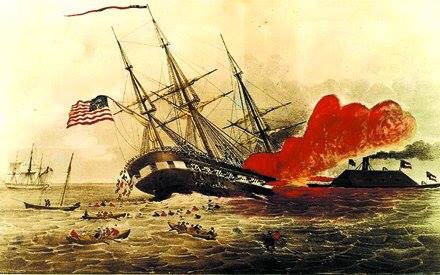
 Today in History, March 9: 1862 – The Battle of Hampton Roads. Few are able to be part of a truly history changing event. When the Civil War began, the Union abandoned the Naval Base at Norfolk, Virginia, burning everything they could in retreat. The Confederacy took the base, and raised the sunken Union ship USS Merrimack. They then turned her into the ironclad CSS Virginia. The Union Navy placed an embargo on all Southern ports, including the entrance to the Southern capitol of Richmond. The South attempted to break this embargo with their new ironclad ship, sinking two Union wooden “ships of the line” in the process. The Virginia returned to base for the night, then returned to finish off the last major embargo ship on 9 March, 1862. She was confronted by the Union version of the ironclad…the USS Monitor. The two new iron ships battered away at each other for over three hours without seriously damaging each other, and then withdrew. The Virginia would be scuttled at her base as the Union advanced…the Monitor would be lost at sea. But more importantly….navies worldwide…Britain, France, Spain, the Far East, watched and realized that their wooden navies had suddenly become obsolete.
Bleeding Kansas Joins the Union

Today in History, January 29: 1861 – Kansas enters the Union as a free state. Plain, flat Kansas has played a very large role in the formation of our nation.
I wasn’t there but a little while when I went to help a feller shingle a roof. It was about eight o’clock in the mornin’, and I was sittin’ there on the roof just lookin’ out at those miles and miles of prairies, and way off in the distance I see somethin’ about the size of a cigar standin’ up on the horizon. It didn’t seem to get no bigger and after I watched it a while I says to the feller, ‘Look at that thing out there, don’t it look funny.’ He looked where I was pointin’ and he says ‘Know what that is? That’s the freight train comin’ in.’ Well, we worked all mornin’ and we went in and was eatin’ dinner when we heard that train pull into the depot.
“Mr. Botsford on Travel—Kansas,” Art Botsford, Interviewee; Francis Donovan, Interviewer; Thomaston, Conn., December 27, 1938. American Life Histories: Manuscripts for the Federal Writers’ Project, 1936-1940. Manuscript Division
“Bloody Kansas” had fought the battle between abolishionists and slavery proponents from Missouri throughout the 1850’s. It’s internal battle was a precursor to the Civil War, during which the entire nation would battle for it’s very life over the unholy concept of one man owning another.
 Mark Loves History!