The Importance of Being Thorough…

Today in History, February 1, 1942:

Less than two months after the bombing of Pearl Harbor, the US Navy strikes back.

Task Forces built around the USS Yorktown (CV-5) and USS Enterprise (CV-6) sped in quickly in cover of darkness, then struck at Japanese air bases and shipping in the Marshall Islands. The US aircrews made repeated sorties against the islands throughout the day, until Admiral William Halsey decided they had pressed their luck enough and ordered a withdrawal…the carriers and their support ships were valuable and in short supply.

The air raid did little damage…however it was a tremendous morale booster for the military and the folks at home, and brought home the realization to the Japanese that they could be “touched.”

Now for a History link…I love those. While the US had significant facilities in parts of the Pacific, they had spent little in Japanese held areas before the war.

The command staff and they flyers involved were using the very latest charts and maps they had of Kwajalein Atoll and the Marshall Islands…they were at least 100 years old in 1942.

In 1838, wanting to join the scientific communities of the European nations, the United States authorized and supplied six ships commanded by Lt. Charles Wilkes to explore the Antarctic region, the Northwest and Western coastal regions of the US and the Pacific.

During a more than 3 year circumnavigation of the world, the “US Ex Ex”, or US Exploring Expedition collected more than 4,000 scientific samples, documented their contacts with peoples along their route, and meticulously charted the many islands, bays, inlets, etc they found. Wilkes was very dedicated to this portion of the Expedition, much to the annoyance of the scientists aboard.

Wilkes lengthy US Navy career would bring him to fame again during the Civil War with the Trent Affair…but that’s another story.

As he was charting the Marshalls, his intent was for whalers and other ships to make use of his efforts…he almost certainly couldn’t imagine massive ships carrying aircraft which would drop explosives on the Pacific paradise 100 years hence.

Naval Satellite Communication

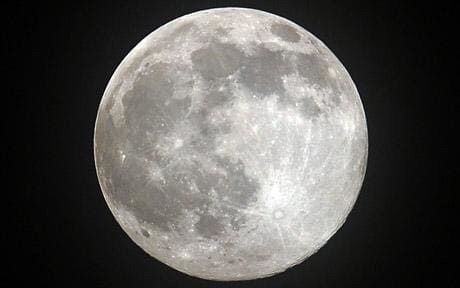
Today in History, January 28: 1960 – US Navy Chief of Naval Operations Arleigh Burke uses the first satellite communications system, developed by the Naval Research Laboratory, to send a secure radio message from Washington DC the Commander of the Pacific Fleet in Hawaii. The satellite? The moon.

A system had been developed to bounce high frequency radio waves off of the moon, creating a stable world wide communications system for the Navy. It would be used until the late sixties when man made satellites were in place.

First Casualties in American Space Exploration

Today in History, January 27, 1967:

The crew of Apollo 1, Gus Grissom, Edward White II and Roger Chafee are performing a test launch in the command module of their craft when fire breaks out.

The test was considered to be a no risk event, as fuel had not yet been loaded. However the capsule was filled with a volatile level of oxygen and too many flammable materials. The escape hatch design required too much time for removal in the event of emergency.

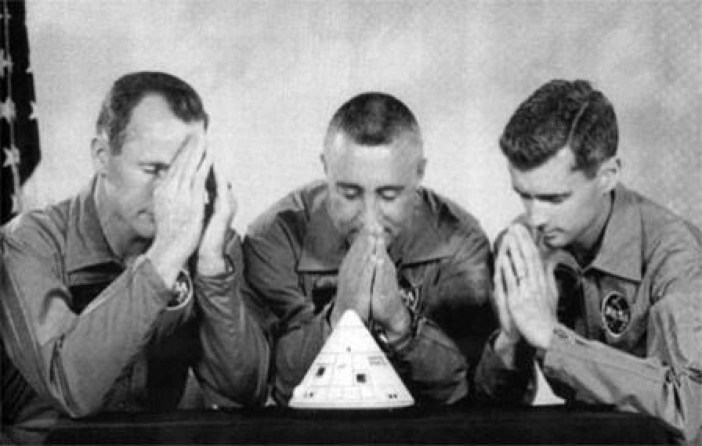
The astronauts had expressed concerns about the safety of the craft during previous testing, going to the effort to provide the project’s chief with a photo of them praying in from of a model of the capsule, “It isn’t that we don’t trust you, Joe, but this time we’ve decided to go over your head.”

The testing had been paused more than once that day to work on issues, such as Grissom’s mic being stuck open. At 6:31 PM the astronauts first reported a fire in the cockpit. With a matter of seconds they spoke of it twice more. The fire spread quickly in the small space, killing all three men.

Autopsy results indicated all three died of cardiac arrest from high concentrations of carbon monoxide.

Grissom, White and Chafee were the first courageous astronauts to die in the NASA program, but they would not be the last. With all of the dangers involved in the new frontier, it is amazing NASA has the safety record it does.

Rocky Mountain National Park Joins the National Park System

Today in History, January 26: 1915 –

President Woodrow Wilson signs a bill creating the Rocky Mountain National Park on the Front Range of the Rocky Mountains in Northern Colorado.

Inspired by former President Theodore Roosevelt’s creation of National Parks, Colorado naturalists campaigned for the park and succeeded.

During the 1930’s, TR’s cousin Franklin Delano Roosevelt created the Civilian Conservation Corps during the Great Depression, which, among many other things, built a great deal of the infrastructure in RMNP. If you’ve never been, you should add it to your bucket list…it is magnificent.

The Amazing Nellie Bligh Arrives Home

Today in History, January 25, 1890:

Courageous, Crusading journalist Nellie Bly (Elizabeth Cochran-Seaman) arrives home after traveling around the world in 72 days by ship, horse, rickshaw…any means necessary.

Nellie Bly (pen name) worked for the New York World, and had set out to prove that Jules Verne’s fictional Phileas Fogg could have traveled “Around the World in 80 Days.”

Her adventures were covered by Joseph Pulitzer’s New York World through her dispatches on her journey, articles upon her return, and in the novel she would write.

Before her around the world odyssey, Ms. Bly had already made a name for herself by going undercover to expose the practices at a Women’s Insane Asylum.  She would complete numerous other exposes into other realms as well during her career.

A Consequential Life

Today in History, January 24: 1956:

“Milam: “You still as good as I am?”

Bobo: “Yeah.”

Milam: “You still ‘had’ white women?”

Bobo: “Yeah.”

That big .45 jumped in Big Milam’s hand. The youth turned to catch that big, expanding bullet at his right ear. He dropped.”

Look magazine prints an article documenting the confession of two Mississippi men who had murdered a black youth, 14-year-old Emmett Till of Chicago, and then been acquitted by a Mississippi jury.

Emmett had flirted with one of the men’s wives at their small country store, so the men had kidnapped him, pistol whipped him, and finally murdered him.

He wasn’t familiar with Mississippi “rules”, and he couldn’t know that his death would help kick off the Civil Rights Movement in the U.S.

I chose not to post the gruesome photos that were published in ’56….look them up if you’d like. If you have a few minutes, the “Look” article is enlightening and worth the time.

Those that lived those times can testify…while we still have progress to make, we have come a very long way.

http://law2.umkc.edu/faculty/projects/ftrials/till/confession.html

24th Amendment

Today in History, January 23: 1963 –

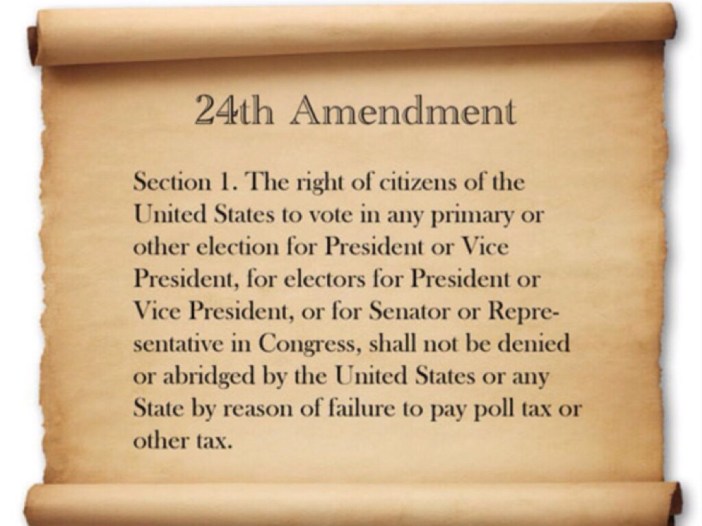
The Twenty-fourth Amendment to the Constitution is ratified, prohibiting the use of poll taxes during voting.

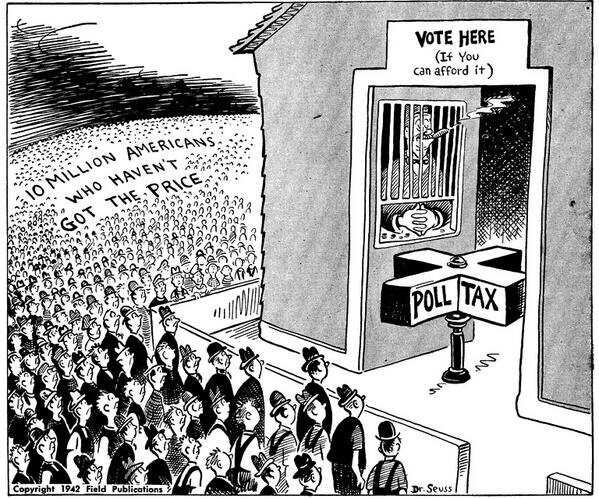
In the 1890’s Southern Democrats, seeing their power slipping with the passage of the Fifteenth Amendment (power of citizens to vote shall not be abridged based on race, color or previous status of servitude), had instituted poll taxes to make it more difficult for poor black and white southerners to vote. The 24th Amendment took a two decade long fight to pass.

To Key West, By Rail…20th Century Engineering Wonders

Today in History, January 22: 1912 –

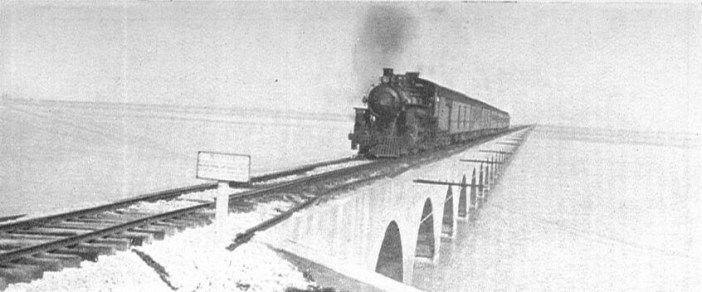
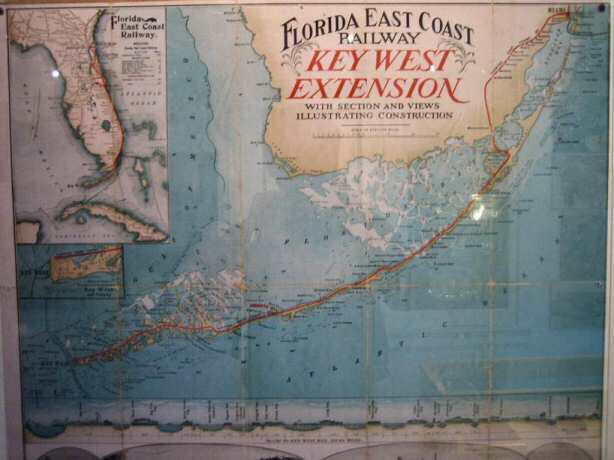
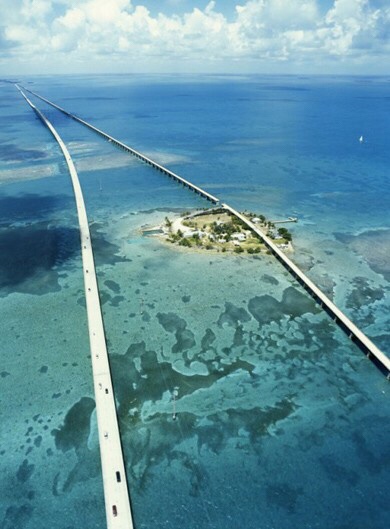
The Florida East Coast Railway opens service to Key West, 128 miles from the southern coast of the mainland and the southern most city in the United States.

Built mostly over water between the islands of the Keys, the railroad took seven years to build and was an engineering marvel. It was destroyed by a hurricane in 1935, an interesting story in and of itself. In 1938 it was replaced by the Overseas Highway, which was built on it’s foundations.